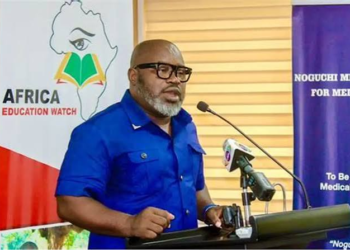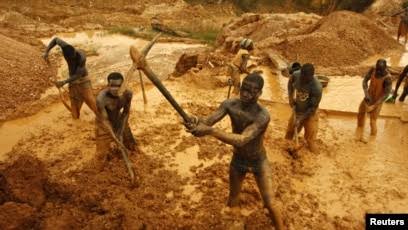
The Communications Director of the Ministry of Lands and Natural Resources, Mr Zambaga Rufai Saminu has warned that abandoned mining pits are creating serious risks for communities, following the deaths of 23 people in the Ashanti Region, including children. He linked the deaths to the wider consequences of illegal mining and urged mining communities to take collective action to prevent further loss of lives.
Mr Saminu explained that the fatalities are part of a wider pattern emerging from the extensive environmental damage caused by illegal mining activities. According to him, the presence of unattended pits should serve as a warning to communities about the dangers left behind after mining operations.
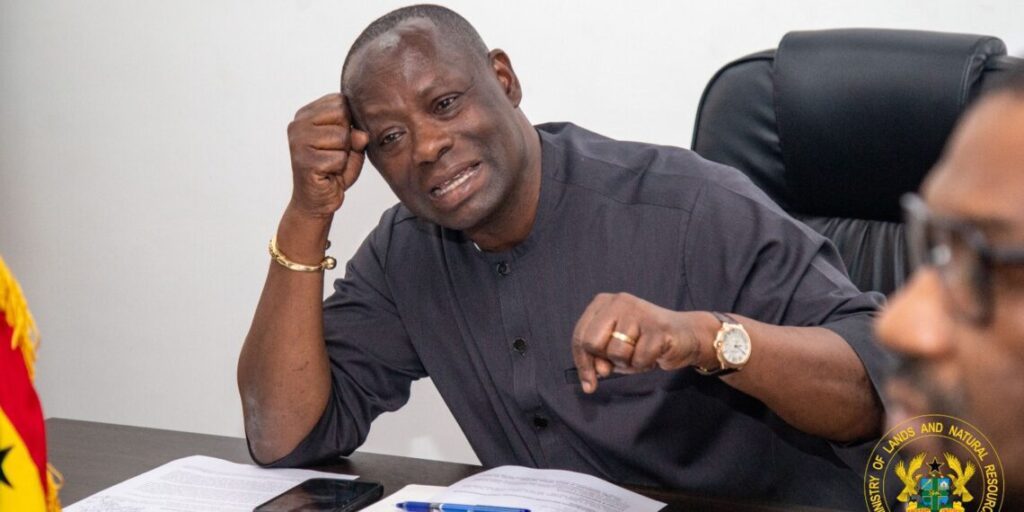
The Communications Director stressed that the scale of the damage require co-operation between government agencies, mining communities and other stakeholders. From his perspective, reclaiming affected areas could help restore degraded land while also reducing the dangers associated with open pits.
He noted that the Ministry of Lands and Natural Resources has intensified efforts to reclaim damaged areas across several mining regions. Regional Coordinating Councils, the Minerals Development Fund and other supporting agencies were contributing to the programme.
“The fight against illegal mining is a collective responsibility. It is the reason why the Sector Minister has been emphasising on that.”
Zambaga Rufai Saminu
Mr Saminu indicated that the reclamation programme is being implemented through several channels to cover areas affected by mining. He explained that the Ministry is working alongside relevant agencies and private mining companies to restore portions of degraded land.
Among the areas receiving attention are parts of the Western, Ashanti and Eastern regions. The Minerals Development Fund, led by Dr Anabiyu, is also supporting reclamation activities in selected communities as part of the wider restoration programme.
The Ministry’s approach, he explained, involves different phases because of the extensive nature of the degradation. Such a structure allows individual areas to be addressed according to the scale and condition of the damage.
Mr Saminu also pointed to the involvement of large-scale mining companies in the reclamation exercise. Newmont, he disclosed, is among the companies supporting efforts to restore some degraded areas.
The involvement of private sector operators, according to him, demonstrates the need for wider participation in restoring Ghana’s environment. He urged communities to recognise that the protection of land, forests and water bodies directly affects the wellbeing of the population.
Reclamation Drive Expands Across Key Mining Communities
The reclamation programme has been extended to specific locations where mining activities have severely altered the landscape. In the Western Region, about 800 acres of degraded land in the Ellembelle District are being reclaimed under the Ministry’s programme.
A similar exercise is underway in parts of the Ashanti Region, where more than 800 acres are also being targeted for restoration. The scale of the projects, however, means that several locations are being addressed at different stages.
The Minerals Development Fund is also undertaking reclamation work in parts of the Western Region and the Northern Region. Eastern Region communities are receiving attention as part of the multi-regional approach to restoring lands affected by mining.

Mr Saminu explained that the figures from the various projects could not yet be combined into a final national total because the exercises were progressing in phases. Accurate assessment, he noted, would require the completion of the different stages before the Ministry could establish the full extent of land restored.
“The damage has been so extensive to the extent that it would take the entire nation.”
Zambaga Rufai Saminu
The phased approach, according to the Communications Director, is intended to provide a clearer picture of progress as individual projects reached completion. He indicated that monitoring remains important to ensure that reported figures accurately represented the areas successfully reclaimed.
On monitoring reclaimed locations after restoration work, the National Anti-Illegal Mining Operations Secretariat is monitoring some of the reclaimed sites to assess developments and support efforts to protect restored areas.
Beyond the physical restoration, Mr Saminu highlighted the importance of public education in reducing further environmental destruction. He explained that communities need to understand the long-term implications of damaging land and forests through illegal mining.
The Ministry’s message is on the link between environmental protection and public safety. According to the Communications Director, damaged land and polluted water bodies ultimately affect the quality of life of people living in mining communities and beyond.
This makes reclamation only one part of the response to the illegal mining challenge. Prevention, education, monitoring and cooperation between state institutions and local communities are also identified as necessary elements of the national effort.
The scale of the reclamation work also means that results may take time to become visible across affected regions. Mr Saminu therefore urged the public to recognise the ongoing interventions while supporting measures aimed at preventing fresh damage.
The Ministry is expected to continue coordinating with regional authorities, the Minerals Development Fund and private mining companies as additional sites are brought under restoration. Such cooperation, the Communications Director indicated, would be essential to improving the condition of degraded communities and protecting future generations.
He further appealed to those involved in activities that damage forests, land and water bodies to reconsider the consequences of their actions. “Our survival as a country is heavily relying on the healthy nature of our environment,” he cautioned.
The warning places renewed emphasis on the human cost of illegal mining alongside its environmental effects. With deaths linked to abandoned mining pits and extensive areas requiring restoration, the Ministry is positioning reclamation and public responsibility as central parts of the response to the crisis.
READ ALSO: Ghana, Burkina Faso and Côte d’Ivoire to Validate Legal Framework for Cross-Border Cooperation