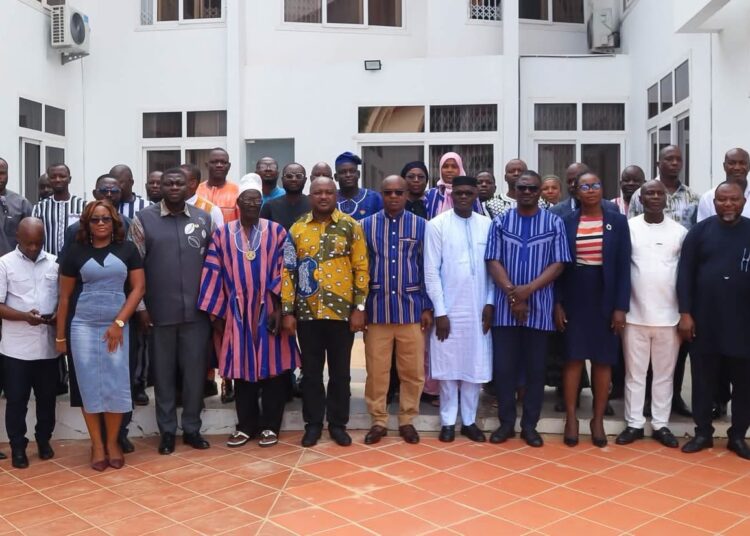
Ghana has commenced a week long series of high level meetings with Burkina Faso and Côte d’Ivoire in Wa, capital of the Upper West Region, to harmonise and validate the legal framework for the establishment of Local Groups for Cross-Border Cooperation (LGCBCs).
The initiative, being spearheaded by the Ghana National Boundary Commission in collaboration with its counterparts from Burkina Faso and Côte d’Ivoire and supported by the African Union Border Programme (AUBP), is aimed at strengthening cross-border cooperation, promoting dialogue, and facilitating joint development action among communities and local actors living along Ghana’s northern and western frontiers, particularly in the Savannah and Upper West Regions.
According to a statement issued by the Corporate Affairs Unit of the Ghana National Boundary Commission, the Wa meetings will lay the foundation for a formalised, legally backed mechanism that will empower border districts and communities to jointly plan and implement development projects, manage shared resources, and address common security and socio-economic challenges.
The LGCBCs are a flagship instrument of the African Union’s Convention on Cross-Border Cooperation, also known as the Niamey Convention. The Convention encourages African member states to create local-level structures with legal personality that can enter into partnerships, mobilise resources, and execute cross-border initiatives without having to wait for central government bureaucracy.
Ghana, Burkina Faso and Côte d’Ivoire are among the countries that have ratified the Convention and are now moving to operationalise it at the grassroots level. Opening the first bilateral session between Ghana and Burkina Faso on Monday in Wa.
Mr Frederick Somuah Obeng, Deputy Commissioner General of the Ghana Boundary Commission, said the creation of the LGCBCs was more than a legal formality. He described it as a deliberate effort to build robust and sustainable local structures between targeted cross-border districts and communities whose lives and livelihoods are intrinsically linked.
Mr Obeng explained that for many communities in the Upper West and Savannah Regions, the international boundary is not a barrier but a bridge for family ties, trade, farming, grazing, and cultural exchange.
However, these same communities are also on the frontline of challenges such as smuggling, irregular migration, farmer-herder conflicts, climate change, and spill over effects of insecurity in the Sahel.
Cross-Border Framework to Promote Home Grown Solutions
He noted that the cooperation framework would directly improve resilience in border communities and foster shared socio-economic development, while providing a structured platform for local authorities, traditional leaders, and security agencies from both sides of the border to jointly identify problems and develop home grown solutions.
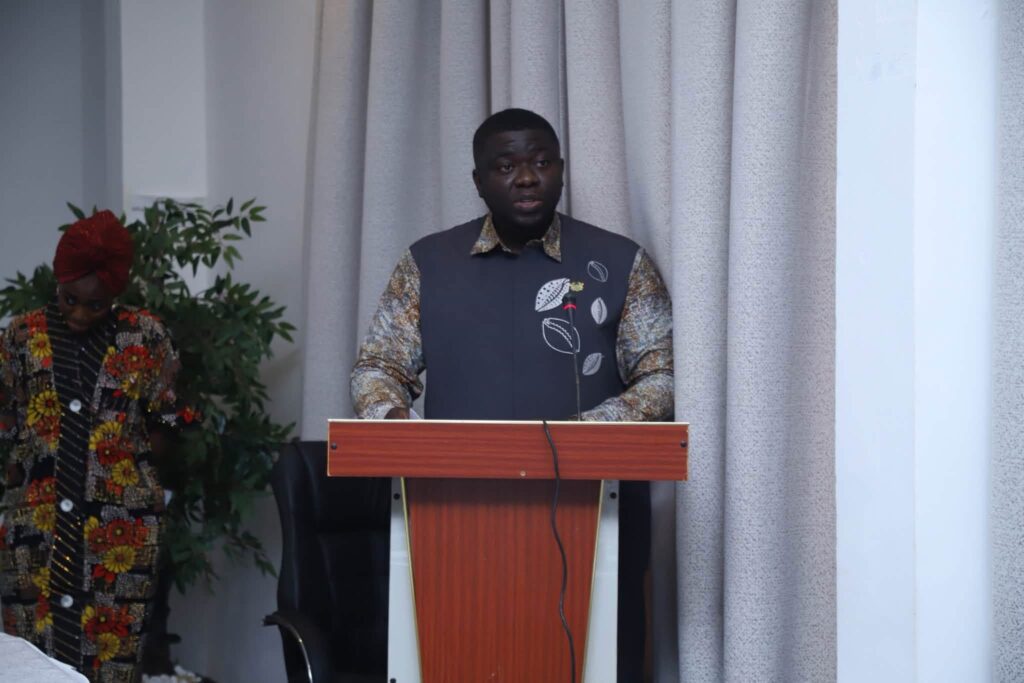
“The LGCBCs have the potential to become important platforms for identifying common challenges, developing joint solutions, strengthening community resilience, promoting local development and deepening social cohesion among border communities on both sides of our common boundary.’’
Mr. Obeng
He added that the establishment of the LGCBCs represents the local level dimension of broader bilateral agreements and conventions signed between Ghana and Burkina Faso over the years. While high level agreements provide the political will, he said, the LGCBCs will serve as the practical avenues for translating those commitments into tangible realities that improve the lives of ordinary people.
The Upper West Regional Minister, Hon. Charles Lwanga Puozuing, Esq. a co-chair of the opening session, urged participants to contribute actively and openly to the deliberations. He described the bilateral validation phase as a critical step towards establishing sustainable cross-border cooperation that will outlive political administrations.
‘’The Upper West Region stands to benefit significantly from the framework, as it shares a long and porous border with Burkina Faso, and enhanced cooperation would boost trade in the border markets, improve joint security patrols, and facilitate coordinated delivery of health and educational services to remote border settlements.’’
Hon. Puozuing
Burkina Faso Pledges Support for Cross-Border Cooperation Framework
Leading the Burkinabe delegation, Comrade Siaka Baro, Governor of the Djoro Region and head of the Burkina Faso delegation, expressed profound appreciation to the Ghana Boundary Commission, Burkina Faso’s National Boundary Secretariat, and the political leadership of both countries for their unwavering commitment to strengthening cooperation despite regional security challenges.
‘’Burkina Faso remains committed to good neighbourliness and believes that local cooperation is the most effective antidote to mistrust and conflict. Burkina Faso Pledges its full support for the validation process and called for flexibility and mutual understanding in harmonising the legal texts.’’
Comrade Baro
In a solidarity message, Mr Mamoudou Tapily, West Africa Regional Coordinator of the African Union Border Programme Support Project, provided technical context to the workshop. He said the LGCBCs are powerful institutional levers that grant legal personality and capacity for direct action to neighbouring local authorities.
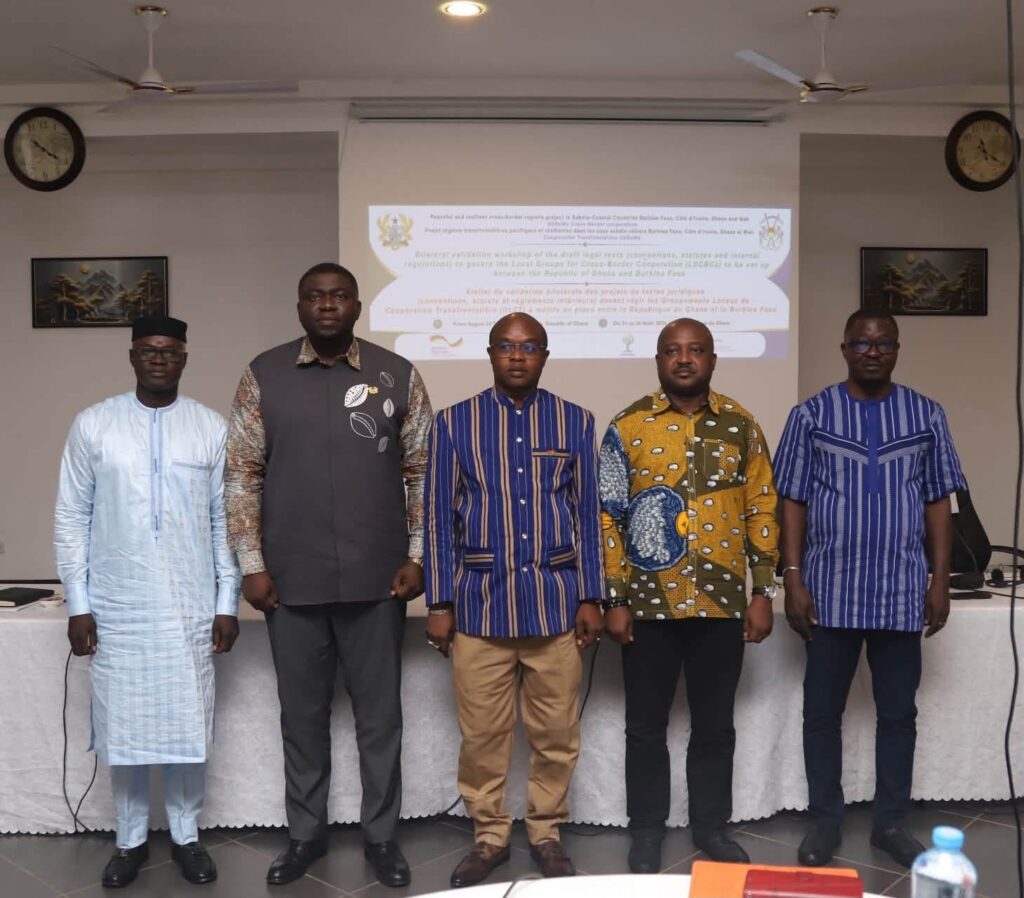
According to him, once established, the Groups will be able to sign contracts, receive funding from development partners, and implement joint projects in areas such as water management, health, education, agriculture, livestock, and small-scale infrastructure like markets and roads.
Mr Tapily emphasised that the success of the Wa workshop depended on the participants’ “technical rigour, spirit of conciliation and shared vision of cross-border cooperation.” He noted that the AUBP, with support from its partners, would continue to provide technical and financial assistance to ensure the framework does not remain on paper.
Over the next five days, participants from the three countries, comprising boundary experts, legal draftsmen, local government officials, security commanders, and representatives of border communities, are expected to review the draft legal framework article by article, harmonise differences in legal traditions between Anglophone Ghana and Francophone Burkina Faso and Côte d’Ivoire, and validate the final documents.
The second phase of the week-long programme will bring in the Côte d’Ivoire delegation for a similar bilateral engagement with Ghana, focusing on the Western North and Savannah border corridors.
Ghana is expected to have at least four LGCBCs — two along the Ghana-Burkina Faso border in the Upper West and Savannah Regions, and two along the Ghana-Côte d’Ivoire border. These groups are expected to become models for cross-border governance in West Africa.
READ ALSO :Manso Nkwanta MP Calls For Ad Hoc Committee To Probe Goldbod