The Bank of Ghana (BoG) has stepped up efforts to combat money laundering, tax evasion and other illicit financial activities linked to the movement of undeclared foreign currency through Ghana’s airports and border points.
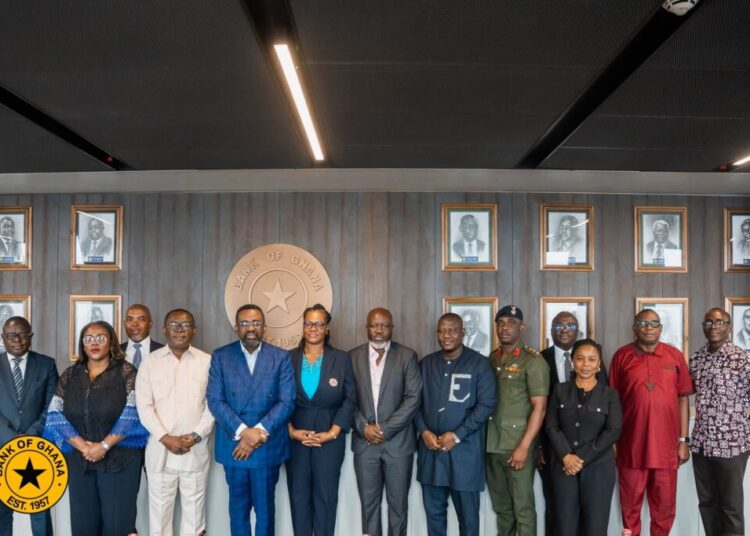
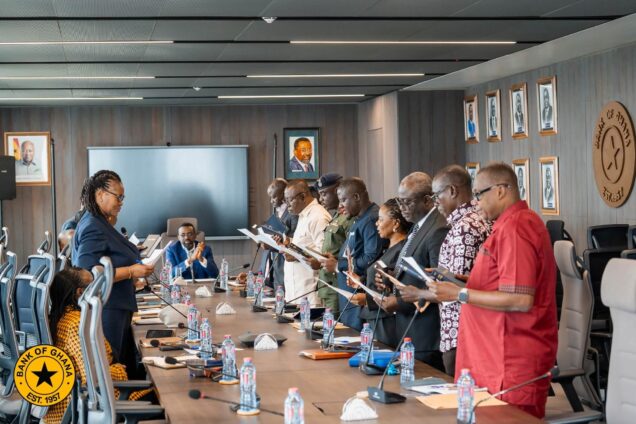
The central bank has inaugurated a Preliminary Investigation Committee on Seized Foreign Currency to investigate foreign exchange seized by authorities and strengthen the systems used to monitor currency movements across the country’s borders.
The initiative comes amid concerns that substantial amounts of foreign currency are entering or leaving Ghana without the required declaration, potentially creating loopholes for criminals and other actors seeking to move funds outside formal financial channels.
BoG Sounds Alarm Over Undeclared Currency
Governor of the Bank of Ghana, Dr Johnson Pandit Asiama, said undeclared currency movements represent a serious risk to Ghana’s financial system and could undermine efforts by authorities to track suspicious financial transactions.
According to him, the movement of foreign currency outside officially declared channels creates opportunities for individuals and groups to engage in money laundering, tax evasion and other illicit activities.
“Undeclared currency flows create room for money laundering, tax evasion and other illicit activity,” Dr Asiama said.
His comments highlight the growing importance of monitoring physical cash movements, particularly at airports and land borders where significant amounts of foreign currency can potentially change hands outside the formal financial system.
The BoG believes that stronger scrutiny of seized foreign currency could provide authorities with valuable information about the source, destination and purpose of funds being transported across Ghana’s borders.
New Committee to Investigate Seized Funds
The newly inaugurated Preliminary Investigation Committee is expected to provide a structured mechanism for examining foreign currency seized by state authorities.
The committee will play a critical role in determining the circumstances surrounding currency seizures and helping authorities establish whether the funds were properly declared and legitimately obtained.
Its work could also strengthen coordination among agencies responsible for border security, financial intelligence, taxation and law enforcement.
The move signals a tougher approach by the central bank toward cash movements that fall outside Ghana’s established financial monitoring framework.
Rather than treating currency seizures as isolated incidents, the investigation mechanism could help authorities identify patterns and emerging risks associated with cross-border cash movements.
Money Laundering Risks Come Into Focus
One of the major concerns raised by the BoG is the potential use of undeclared foreign currency for money laundering.
Money laundering involves disguising the proceeds of criminal activity and making them appear to have originated from legitimate sources. Large amounts of physical cash can create challenges for financial institutions and regulators because such funds may bypass traditional banking channels where transactions can be monitored.
Dr Asiama warned that undeclared currency movements weaken the financial intelligence available to authorities.
When substantial sums move outside formal channels, regulators and law enforcement agencies may have limited information about the parties involved, the source of the funds and their ultimate destination.
This creates a potential blind spot within Ghana’s financial system.
The committee’s investigation of seized currencies could therefore provide authorities with additional intelligence to identify suspicious transactions and strengthen enforcement.
Tax Evasion Also Under the Spotlight
Beyond money laundering, the BoG has identified tax evasion as another major concern associated with undeclared foreign currency.
Funds transported across borders without proper declaration can make it more difficult for authorities to establish whether the money is connected to taxable economic activity.
This could create opportunities for individuals or businesses to conceal income, assets or financial transactions from the relevant authorities.
The central bank’s intervention therefore extends beyond foreign exchange management. It also forms part of broader efforts to improve financial transparency and protect public revenue.
By strengthening oversight of physical currency movements, authorities could gain greater visibility into transactions that might otherwise remain outside the formal financial system.
Multiple Agencies Join the Fight
The BoG is not undertaking the initiative alone. It is working with several key institutions as part of a coordinated effort to safeguard Ghana’s borders, financial markets and resources.
The collaborating institutions include the Ghana Revenue Authority, Ghana Airports Company Limited, National Security, the Economic and Organised Crime Office, the Financial Intelligence Centre and the Attorney General’s Office.
The involvement of multiple agencies reflects the complex nature of undeclared currency movements.
While the BoG has responsibility for monetary and foreign exchange-related matters, other institutions bring expertise in taxation, intelligence, border security, financial crime investigations and prosecution.
Greater cooperation among these agencies could make it more difficult for illicit funds to exploit gaps between different parts of Ghana’s enforcement system.
Formal Financial Channels Face Protection Test
The central bank has also raised concerns that foreign currency moved outside declared channels diverts funds away from the formal market.
This could complicate efforts to obtain accurate information about foreign exchange flows and potentially weaken the effectiveness of financial monitoring mechanisms.
For Ghana, maintaining confidence in the formal financial system remains critical as authorities seek to strengthen transparency, improve foreign exchange management and combat financial crimes.
The new committee could consequently become an important component of efforts to close loopholes surrounding physical foreign currency movements.
As investigations begin, attention will likely focus on the scale of currency seizures, the sources of the funds and whether recurring patterns can be identified.
The BoG’s latest action sends a strong signal that undeclared foreign currency movements will face greater scrutiny.
With several powerful state institutions now working together, individuals attempting to exploit Ghana’s borders to move illicit funds could face heightened investigations and enforcement.
READ ALSO: Ghana’s Recovery Still Incomplete- World Bank Warns