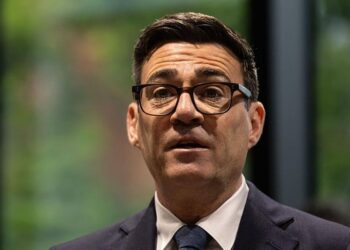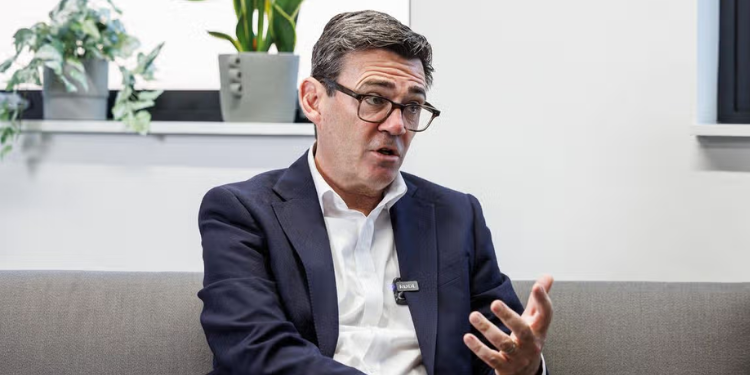
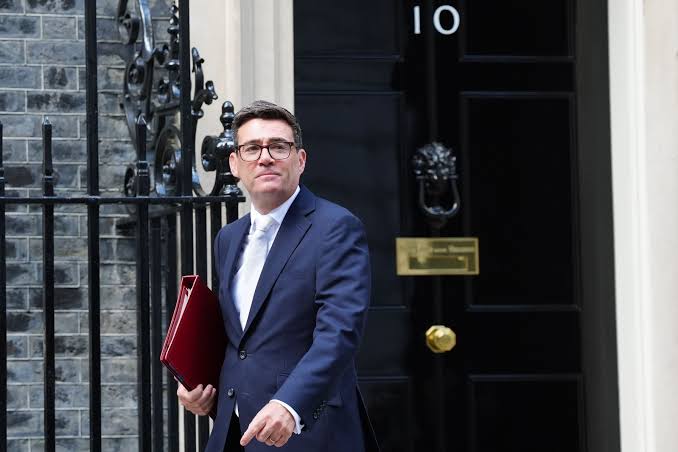
Andy Burnham’s first appearance in the House of Commons as Prime Minister has offered an early indication of how he intends to define his premiership, but the real test will be whether his broad political vision can be translated into workable policies.
The Prime Minister called for a different style of politics, placing greater emphasis on cooperation across party lines and problem-solving rather than political point-scoring. He also reiterated his support for greater decentralisation, stronger regional government and increased public control of essential services.
In an interview with The Vaultz News, Dr Thom Oliver, Senior Lecturer in Politics at the University of the West of England, Bristol, stated that Burnham arrived at the despatch box as a Westminster outsider despite his extensive political experience.
“His return therefore felt less like the parliamentary debut of a new politician and more like the re-entry of an experienced one who has spent almost a decade observing Westminster from outside it.”
Dr Thom Oliver
That background, he argues, made Burnham’s first appearance an important test of whether he could successfully transfer the political authority and identity he developed in Greater Manchester to the national stage.
According to Dr Oliver, one of the primary challenges that any new Prime Minister faces is establishing authority in the Commons, especially since Parliament can be a harsh environment where political credibility is tested in real time.
Burnham Targets Britain’s Deep-Rooted Structural Problems
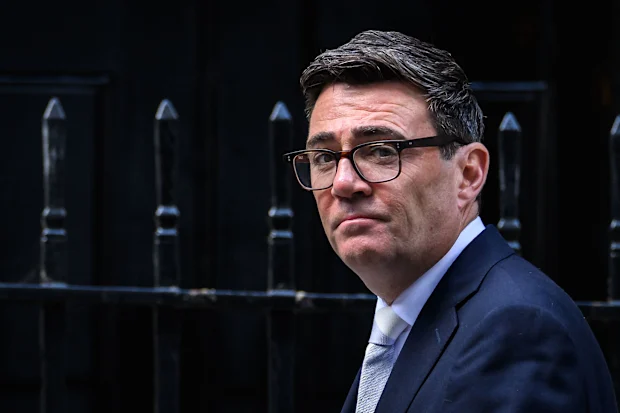
Beyond Burnham’s performance in Parliament, Dr Oliver pointed to what he regarded as a more significant aspect of the Prime Minister’s intervention: his effort to offer a broader explanation of Britain’s current economic and social difficulties
Burnham sought to link several decades of centralisation, privatisation and deindustrialisation with the subsequent effects of austerity and Brexit.
According to Dr Oliver, that diagnosis is politically significant because it suggests that Burnham is not simply attempting to replace the previous government’s personnel or adjust individual policies.
“Burnham attempted to connect several decades of centralisation, privatisation and deindustrialisation, followed by austerity and Brexit, into a single political narrative explaining Britain’s present economic and social difficulties.
“Whatever one thinks of that diagnosis, it is politically important because it suggests Burnham is seeking to do more than simply change the personnel at the top of government.”
Dr Thom Oliver
Instead, Dr Oliver indicated that Burnham appeared to be making the case that Britain had taken a series of structural wrong turns and therefore required a substantial change in direction.
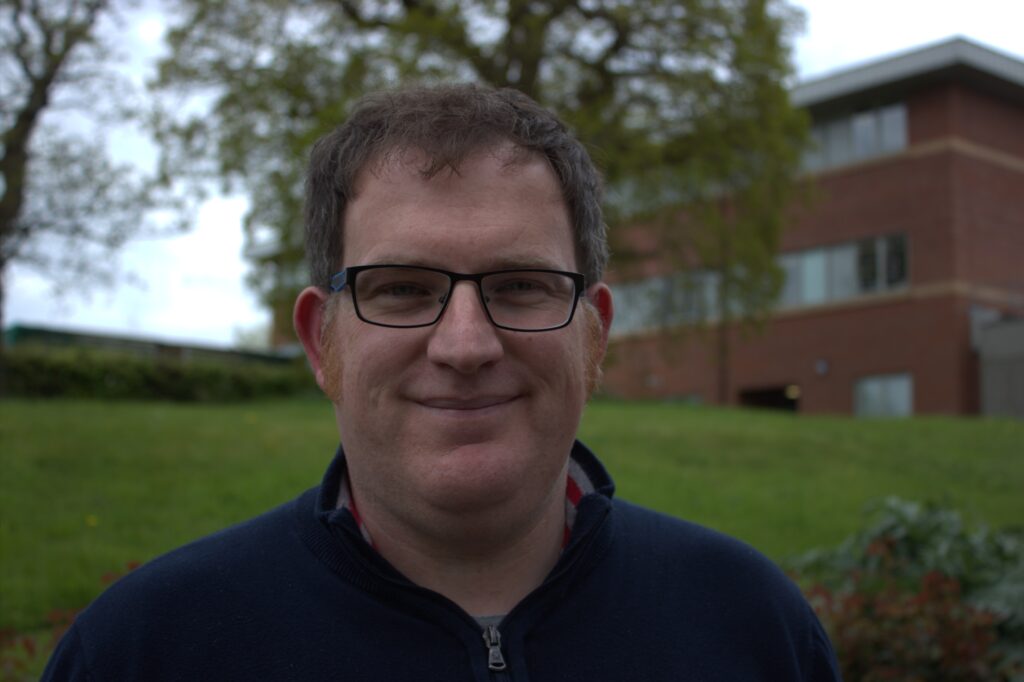
That argument is central to the Prime Minister’s emerging political programme, which includes stronger public control of essential services, greater regional devolution and policies aimed at addressing the cost-of-living pressures facing households.
According to Dr Oliver, “there is a clear continuity with his experience in Greater Manchester.”
“His emphasis on decentralisation, stronger local and regional government and greater public control over essential services reflects themes that characterised his mayoralty.
“In that sense, one of the most interesting questions about the Burnham premiership will be whether ideas developed through English devolution can genuinely be translated into a programme for national government.”
Dr Thom Oliver
That challenge could prove decisive because Burnham’s political reputation has been built partly on his ability to present Greater Manchester as an alternative model of governance. As Prime Minister, however, he must demonstrate that the approach can work within the considerably more complex financial, constitutional and political constraints of central government.
Farage and Starmer Add Political Complexity
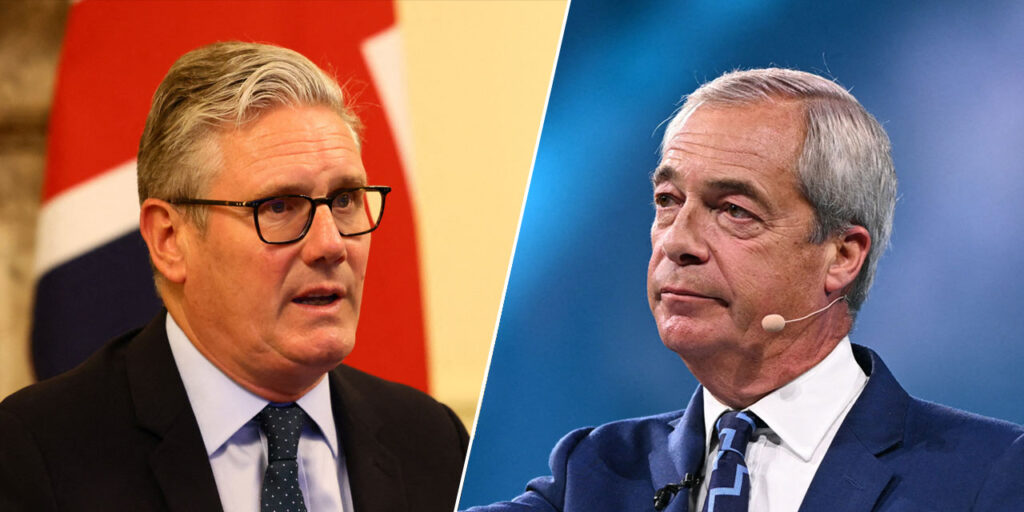
Burnham’s first Commons appearance was also notable because two major political developments threatened to compete with the message he wanted to establish.
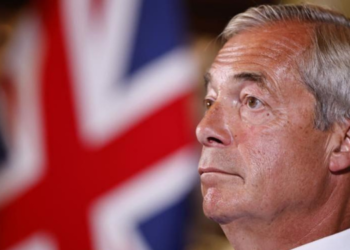
One was the return of Nigel Farage to Parliament following the Clacton by-election.
“His return to Westminster on the same day therefore symbolically restored the direct Burnham-Farage contest that is likely to be important in British politics over the coming months.”
Dr Thom Oliver
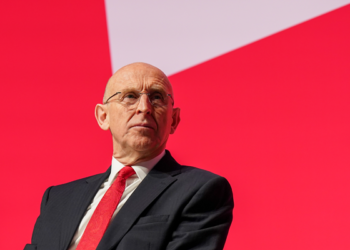
The second development was even more politically awkward for Burnham: Keir Starmer’s decision to announce his resignation as an MP on the same day.
Starmer’s departure from the Commons will trigger a by-election in Holborn and St Pancras, creating an immediate electoral test for Burnham’s government.
According to Dr Oliver, the by-election could prove uncomfortable for Labour despite the constituency being a traditionally strong Labour seat.
“By-elections provide voters with an opportunity to register dissatisfaction with governments at relatively low cost, and Labour will now have to defend the former Prime Minister’s seat at precisely the moment Burnham is attempting to establish political momentum.”
Dr Thom Oliver
Moreover, despite the emphasis on domestic political change, Dr Oliver also pointed to an important element of continuity in Burnham’s approach to international affairs.
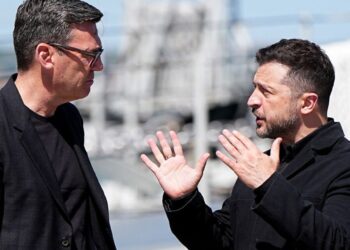
He noted,“internationally, I would also stress that Burnham appeared keen to combine domestic political change with continuity in Britain’s major security commitments.”
“His strong support for Ukraine, for example, suggests that despite his attempt to reposition Britain domestically, we should not necessarily expect a dramatic departure from the broad direction of UK foreign policy under Starmer.”
Dr Thom Oliver
According to Dr Oliver, Burnham’s first Commons appearance represented a reasonably assured start to his premiership.
READ ALSO: Iran Urges Global Action Over US Attacks