Ghana’s power sector is taking another step towards a more coordinated electricity future as key state institutions review and validate the 2026 Integrated Power System Master Plan (IPSMP), a planning framework intended to guide decisions on generation, transmission, distribution and the use of domestic energy resources.
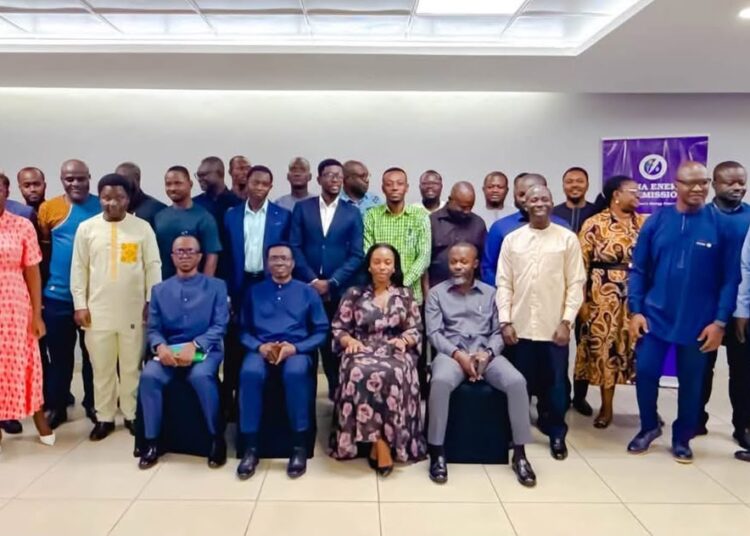
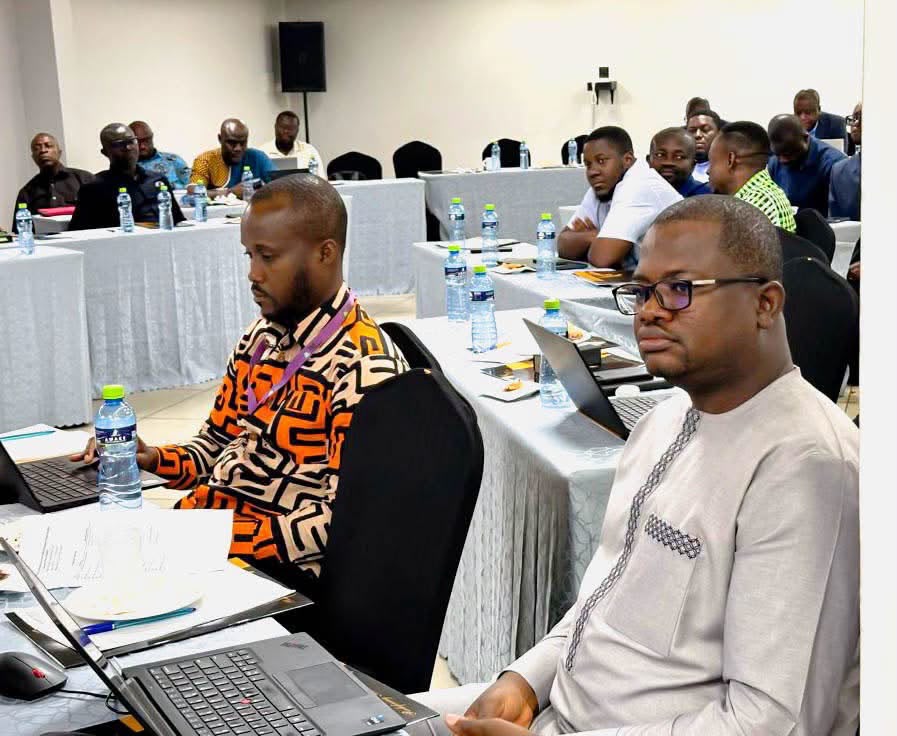
The validation exercise, led by the Energy Commission’s Acting Executive Secretary, Ms. Adwoa Serwaa Bondzie, brought together major institutions across the electricity and energy value chain, including the Volta River Authority (VRA), Ghana National Petroleum Corporation (GNPC), Electricity Company of Ghana (ECG), Ghana Grid Company Limited (GRIDCo), Northern Electricity Distribution Company (NEDCo), Nuclear Power Ghana, Bui Power Authority and the Ministry of Energy and Green Transition.
The breadth of participation is significant because Ghana’s electricity challenges cannot be resolved by adding generation capacity alone.
Decisions about how much power the country should generate must be matched with adequate transmission capacity, distribution infrastructure, fuel availability, reserve margins and the financial capacity of utilities to purchase and deliver electricity.
The IPSMP therefore provides a platform for bringing these interconnected considerations into a single planning process.
Planning Beyond Generation Capacity
At the centre of the validation discussions was the need for Ghana to make electricity planning more evidence-based and better coordinated across institutions.
Ms. Bondzie emphasised that the country’s future power requirements must be considered through coordinated planning rather than through isolated decisions by individual agencies.
The objective is to ensure that investments made at one point in the electricity value chain do not create constraints elsewhere in the system.
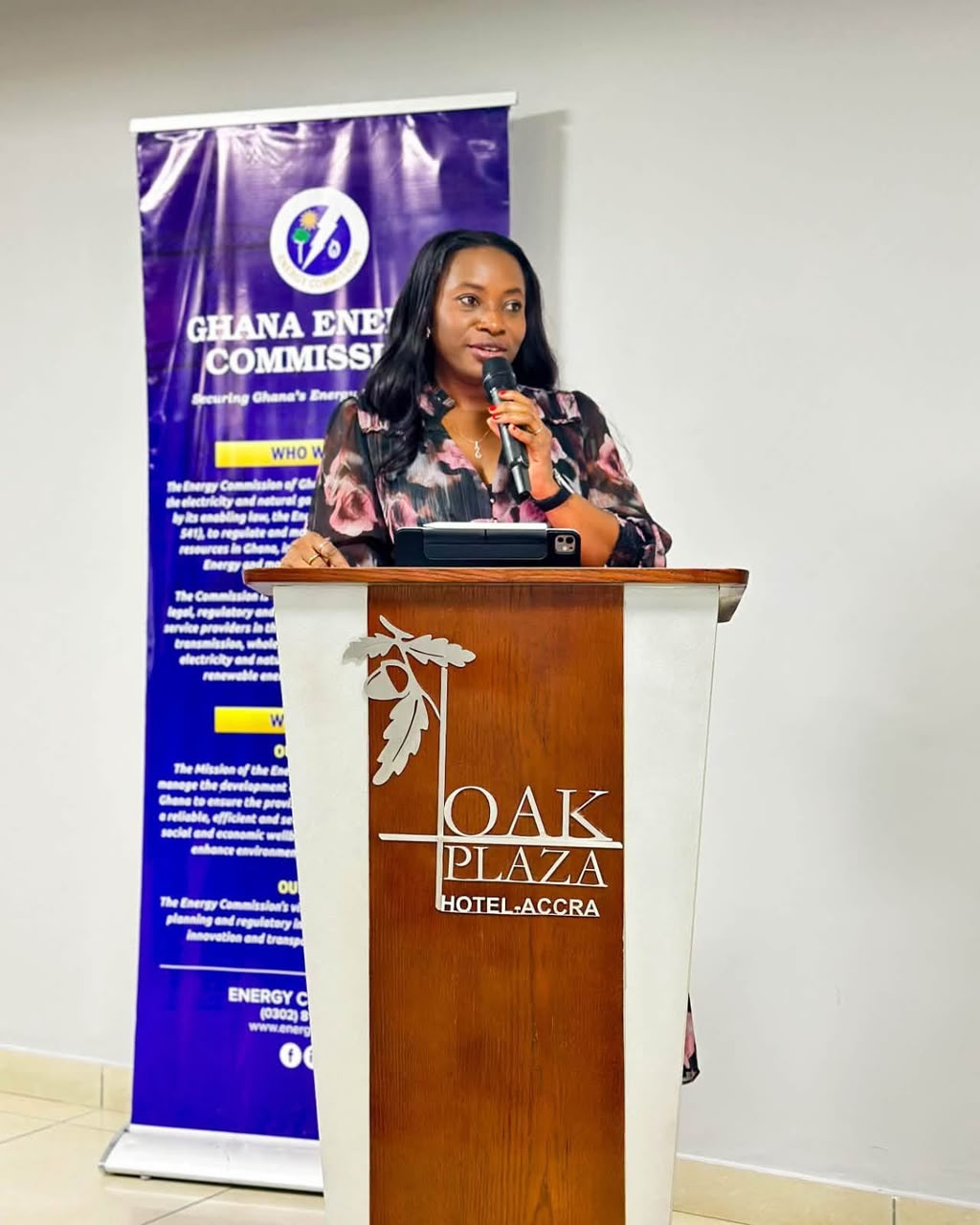
“The importance of coordinated, evidence-based planning cannot be overstated.”
Ms. Adwoa Serwaa Bondzie, Acting Executive Secretary, Energy Commission
This is particularly relevant to Ghana’s recent experience with excess generation capacity.
The country has previously committed to substantial generation capacity while facing constraints in demand growth, fuel availability, transmission and distribution infrastructure and the financial position of sector utilities.
A master plan that considers the system as a whole can help reduce the risk of repeating that mismatch.
If new generation is developed without corresponding transmission and distribution investments, available capacity may not translate into reliable electricity for consumers.
Conversely, investment in networks without sufficient generation and fuel security can leave infrastructure underutilised.
The IPSMP’s integrated approach is therefore important not simply as a forecasting exercise, but as a mechanism for determining what infrastructure Ghana needs, when it needs it and how the different components should develop together.
Reserve Power And Export Ambitions
One of the issues considered by stakeholders was the amount of generation capacity Ghana should maintain in reserve.
Reserve margins are essential to electricity-system reliability because not every generating unit is available at all times.
Plants require maintenance, equipment can fail and fuel supply can be interrupted. A system operating too close to its maximum available capacity therefore has less room to absorb unexpected disruptions.
For Ghana, the question is how much reserve capacity is economically justified without recreating the cost burden associated with excessive contracted generation.
The validation process also considered Ghana’s potential to export electricity.
This introduces another dimension to generation planning because regional electricity trade can create an additional market for available capacity while improving the economic utilisation of generation assets.
However, export ambitions also require reliable cross-border transmission infrastructure and sufficient domestic supply.
The ability to export should not compromise the reliability of Ghana’s own electricity system.
The master plan’s consideration of exports alongside domestic requirements is therefore important for determining whether regional power trade can become a genuine economic opportunity rather than simply an extension of generation planning.
Solar, Gas And LNG Enter The Mix
The future generation mix was another major area of discussion, with stakeholders examining the potential contribution of solar photovoltaic systems, small-scale hydro, gas and liquefied natural gas (LNG).
The diversity of these resources reflects a fundamental change in how Ghana must approach power-sector planning.
Solar PV offers Ghana an opportunity to add generation relatively quickly while reducing dependence on fuel-based generation during periods of strong solar availability.

Its variable nature, however, means that increasing solar penetration must be accompanied by appropriate flexibility, grid-management capabilities and, where necessary, storage.
Gas remains particularly important because thermal generation provides dispatchable capacity that can complement variable renewable generation.
But the value of gas-fired power depends heavily on the availability, reliability and cost of fuel.
This links electricity planning directly to Ghana’s upstream and midstream gas infrastructure.
Domestic gas processing, transportation infrastructure and access to alternative fuel sources all influence the cost and reliability of thermal power generation.
The inclusion of LNG in the IPSMP discussions is consequently important because it recognises the need for the power system to account for fuel diversification where domestic gas supply may be insufficient or constrained.
Small-scale hydro, meanwhile, could provide additional renewable generation in locations where suitable resources exist, although its contribution will naturally depend on site-specific technical and economic conditions.
Transmission And Distribution Cannot Be Left Behind
Perhaps the most important feature of an integrated master plan is that it moves the conversation beyond the traditional question of whether Ghana has enough generation.
Electricity becomes useful only when it can move from the generating plant through the transmission network and ultimately reach consumers through the distribution system.
This makes the participation of GRIDCo, ECG and NEDCo particularly important to the planning process.

Transmission investments determine whether power can be moved reliably across regions and whether new generation projects can be connected to the national grid.
Distribution infrastructure determines whether that electricity can then reach households, businesses and industries with acceptable reliability and quality.
Ghana’s ongoing efforts to modernise its transmission system, alongside reforms in the distribution sector, make long-term coordination even more important.
Generation projects that appear attractive on paper may require substantial network investment before their full value can be realised.
The IPSMP’s integrated assessment of generation, transmission and distribution can therefore help identify these dependencies before investment decisions are made.
Technical Review Tests The Plan
The validation meeting was not simply a formal endorsement of the plan.
Stakeholders reviewed issues contained in the IPSMP using available data, technical analysis and operational experience.
The Technical Group responsible for the plan responded to comments and provided additional technical clarification during the discussions.
That process matters because electricity planning depends heavily on assumptions.
Demand forecasts can change, fuel prices can move, new technologies can become commercially viable and major industrial projects can alter the expected trajectory of electricity consumption.
A master plan is consequently only as useful as the quality of the information and assumptions behind it.
The involvement of institutions that operate different parts of the power system provides an opportunity to test those assumptions against operational realities.
A transmission constraint known to GRIDCo, for example, may have implications for a generation investment being considered elsewhere. Similarly, fuel-supply considerations known to GNPC may influence the viability of future thermal generation.
Bringing these perspectives together strengthens the planning process.
A More Disciplined Approach To Ghana’s Power Future
The significance of the 2026 IPSMP ultimately lies in whether it can help Ghana move towards more disciplined power-sector investment.
The country’s electricity sector has long had to balance competing priorities: ensuring reliable supply, expanding access, supporting industrialisation, incorporating renewable energy, managing fuel risks and containing the financial pressures associated with electricity supply.
Those objectives cannot be pursued independently.
More renewable generation, for instance, changes the requirements of the grid. Greater reliance on gas-fired generation increases the importance of fuel infrastructure.
Higher electricity demand requires not only additional generation but also stronger transmission and distribution networks. Regional exports require adequate interconnection capacity.
And all of these investments have financial implications for the sector and the wider economy.
The IPSMP attempts to bring those relationships into one planning framework.
Its validation therefore represents more than another technical meeting within Ghana’s energy sector.
It is an opportunity for the country’s principal electricity institutions to establish a common basis for decisions that will shape the power system over the coming years.
“The goal is to ensure that Ghana’s electricity future is guided by data, technical evidence and coordinated decision-making.”
Ms. Adwoa Serwaa Bondzie, Acting Executive Secretary, Energy Commission
The real test, however, will come after validation. The value of a master plan is ultimately determined by how effectively its recommendations influence procurement, infrastructure investment, fuel planning, grid development and sector policy.
For Ghana, that implementation question is critical. A well-designed power system is not necessarily the one with the largest amount of installed capacity.
It is the one in which generation, fuel supply, transmission, distribution, storage and demand develop in sufficient balance to provide reliable electricity at a sustainable cost.
The 2026 IPSMP is intended to provide that common direction. Its success will depend on whether Ghana’s energy institutions can use the framework to replace fragmented investment decisions with coordinated, long-term planning, while keeping reliability, affordability and economic growth at the centre of the country’s electricity strategy.
READ ALSO: Harvard-Trained Dr Aziz-Bamba Heads Ghana’s Value for Money Office