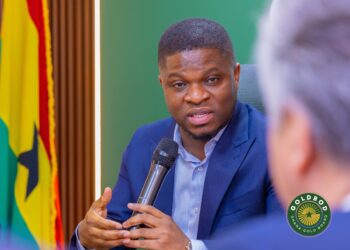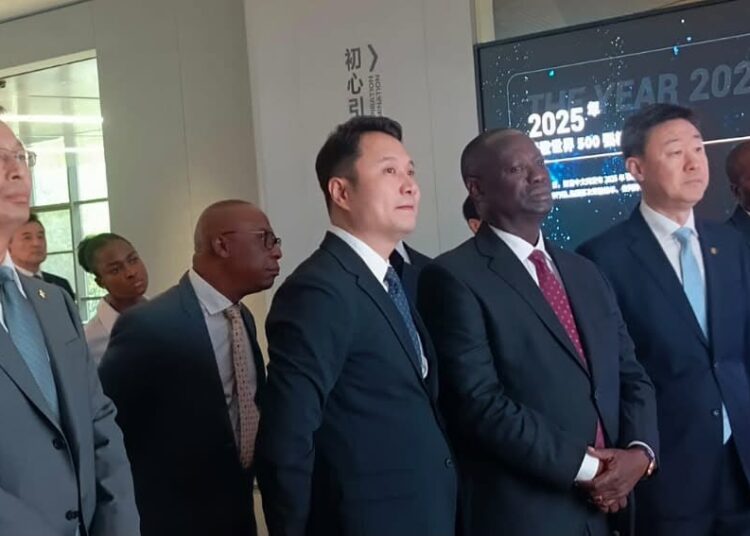
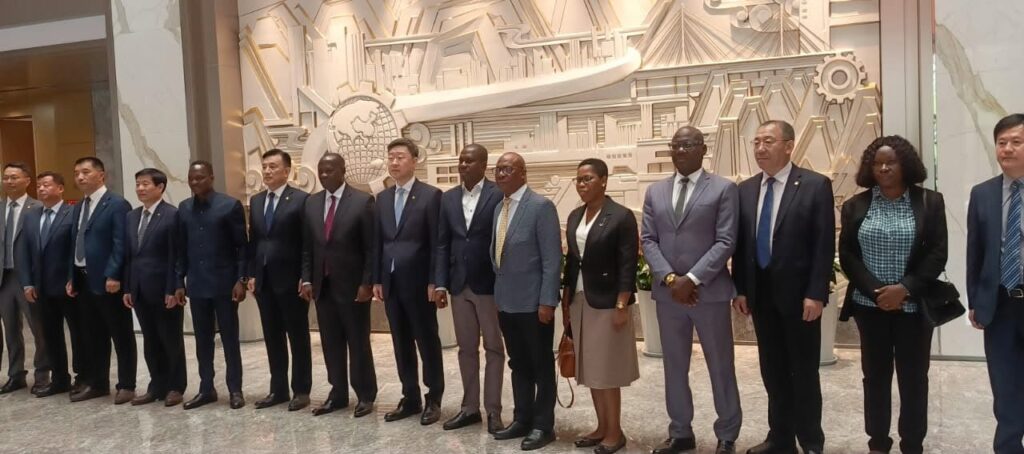
Hon. Emmanuel Armah-Kofi Buah, Minister of Lands and Natural Resources, has initiated strategic high-level engagements with the executive management of Shandong Gold Group in Jinan, China, aiming to fundamentally transform Ghana’s extractive industry through sustainable operational frameworks.
The initiative targets a structural shift toward eco-friendly resource extraction by adopting advanced green mining standards to minimize environmental degradation while optimizing mineral recovery.
During the high-level meeting at the group’s global headquarters, the Minister emphasized the urgent necessity of integrating modern ecological rehabilitation models into Ghana’s domestic mining regulatory policies.
The discussions focused on transitioning from traditional carbon-heavy extraction methods toward automated, climate-resilient mining operations across Ghanaian concessions.
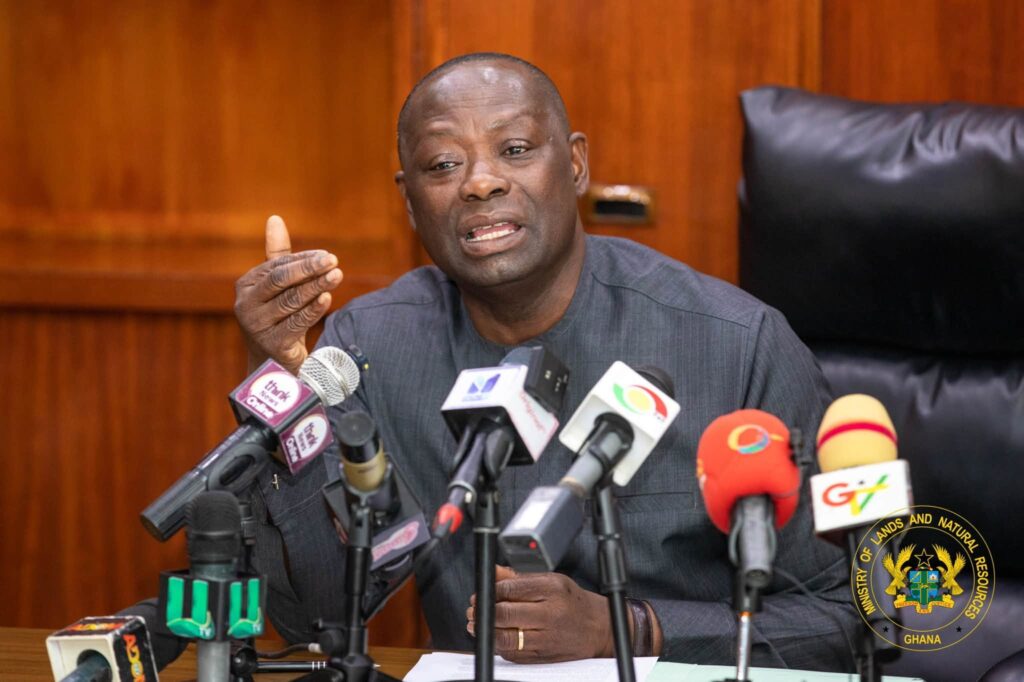
Hon. Emmanuel Armah-Kofi Buah,
“Their exemplary green mining model, which seamlessly integrates large-scale environmental rehabilitation, rigorous tree planting initiatives, and uncompromised worker safety represents the gold standard of modern resource extraction that we are actively working to replicate back home. During our discussions, I encouraged the leadership to aggressively scale up the deployment of advanced, eco-friendly technologies, including electric mining vehicles, to drastically slash operational footprints while ensuring our ecological integrity remains fully preserved. Ghana stands fully prepared to deepen this strategic partnership on a strictly win-win framework, and I officially invited Shandong Gold to utilize our nation as their central hub for broader industrial expansion across the African continent.”
Strategic Imperative and Environmental Context
The push to replicate Shandong Gold’s operational philosophy stems from decades of acute environmental pressures in Ghana’s mining enclaves.
Legacy mining practices have historically left vast tracts of arable land degraded, heavily polluted critical river bodies, and compromised biodiversity across mineral-rich zones.
By enforcing strict eco-friendly protocols, the ministry aims to curb deforestation and reverse long-standing land degradation, establishing a mandatory benchmark for both multinational concessions and domestic miners.
Furthermore, the integration of advanced green technology directly addresses Ghana’s broader climate commitments and operational cost challenges.
The Minister noted that introducing electric heavy-duty vehicles and zero-emission equipment into mining haulage operations will significantly “drastically slash operational footprints” and lower long-term fuel expenditure.
This policy drive aligns with global decarbonization trends, positioning Ghana as a pioneer in clean mineral extraction across Sub-Saharan Africa.
Bilateral Economic Value and Regional Hub Strategy
From an economic perspective, inviting Shandong Gold to establish its West African industrial hub in Ghana provides a strategic gateway to accelerate local content development and technological transfer.
The partnership is structured around a “strictly win-win framework” designed to ensure that industrial expansion yields direct socioeconomic benefits for host communities through job creation, capacity building, and improved infrastructure.
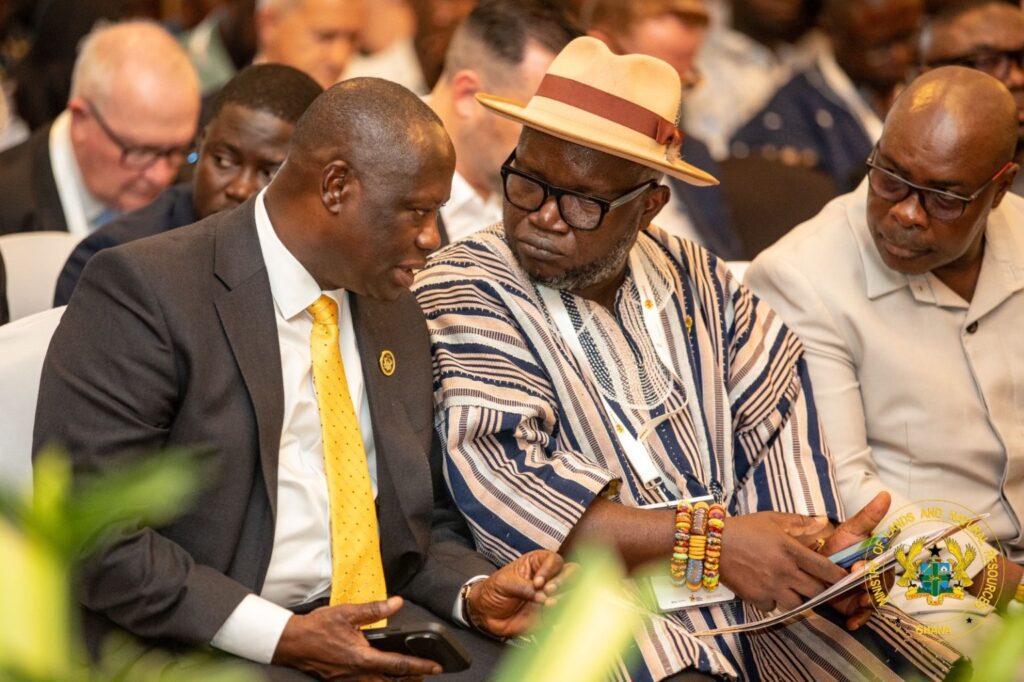
By institutionalizing comprehensive safety standards and aggressive tree-planting mandates, the Ministry of Lands and Natural Resources intends to build a resilient mining ecosystem capable of balancing economic profit with environmental stewardship.
This bilateral cooperation lays the foundation for transforming traditional mining enclaves into sustainable industrial centers, ensuring that Ghana remains the premier destination for responsible foreign direct investment in Africa’s natural resource sector.
READ ALSO: GUNMA Reject Voluntary Service Proposal by the Ministry of Health