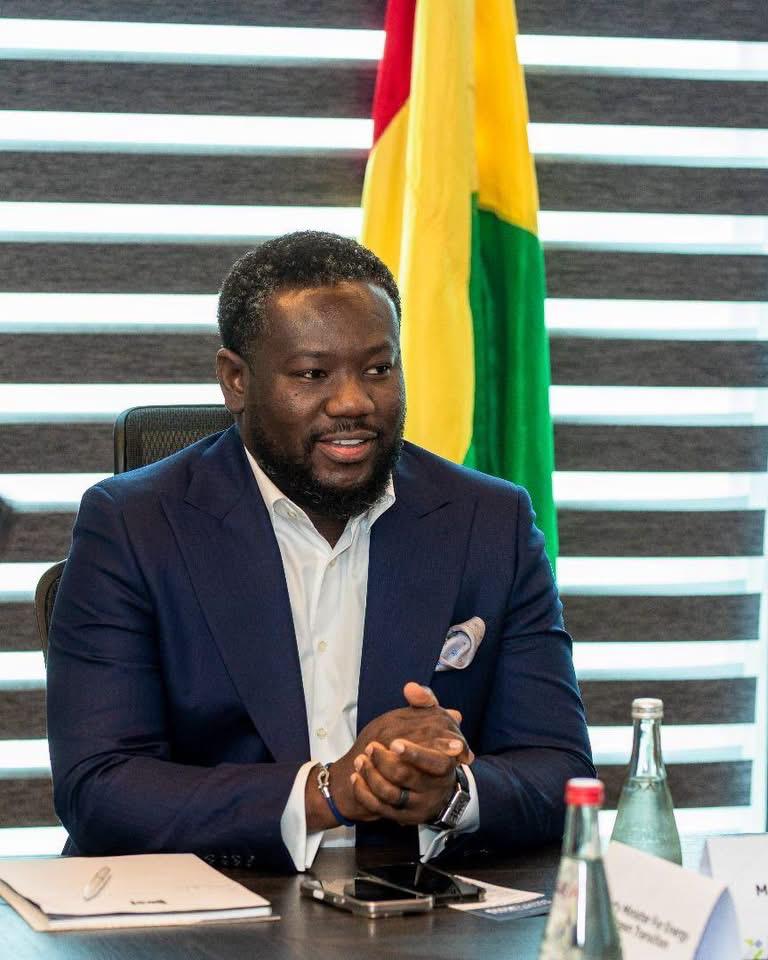
Ghana’s energy transition is increasingly being shaped by a global push to expand electricity access while building power systems capable of meeting rising demand, a challenge that came into focus at Gastech Bangkok 2026 as BOSTenergies Managing Director, Afetsi Awoonor, joined international energy leaders to examine the future of electrification.
The discussion, held under the theme “Electrification: Delivering Universal Energy Access in an Electrifying World,” placed energy access alongside the infrastructure, reliability and system-strengthening requirements that will determine whether electrification can translate into broader economic development.
For Ghana, the conversation carries particular significance as the country works to strengthen its electricity system, diversify its energy mix and expand the contribution of renewable energy while maintaining sufficient reliable supply to support households, businesses and industry.
Mr Awoonor’s participation in the high-level panel brought Ghana’s energy-sector perspective into a wider international discussion on how countries can respond to changing electricity demand while navigating the competing demands of energy security, affordability, infrastructure investment and the transition towards lower-carbon energy systems.
The central issue is no longer simply whether more people can be connected to electricity. For economies such as Ghana’s, the more consequential question is whether the power system can provide reliable and affordable electricity at the scale required for industrialisation and sustained economic growth.
That distinction is becoming increasingly important as electricity assumes a larger role across the global economy.
Transport, manufacturing, digital infrastructure, telecommunications and emerging technologies are all creating new forms of electricity demand, placing greater pressure on countries to build systems that can accommodate growth without compromising reliability or affordability.
Electrification Is Reshaping Energy Demand
Electrification is changing the way economies consume energy.
Activities that previously depended directly on petroleum products or other fuels are increasingly being linked to electricity, from transport and industrial processes to data infrastructure and commercial operations.
As that transformation accelerates, the quality of a country’s electricity system becomes increasingly important to its economic prospects.
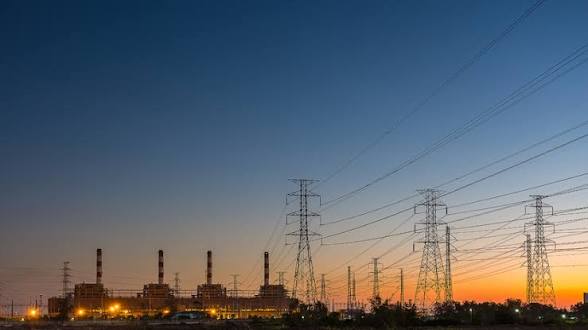
For Ghana, this creates an opportunity but also a policy challenge.
Greater electrification could allow the country to reduce dependence on direct fossil-fuel consumption in selected sectors while creating additional demand for domestically generated electricity. But this benefit depends on the ability of the power system to absorb new demand and deliver electricity consistently.
An increase in electricity consumption without corresponding investment in generation, transmission, distribution and system flexibility could intensify existing pressures.
Universal access therefore cannot be treated simply as a connection exercise. A household or business may be connected to the grid, but unreliable supply or high electricity costs can limit the economic value of that connection.
This is why the global conversation around electrification increasingly extends beyond access figures to the underlying strength of energy systems.
Energy Security Remains Central
Ghana’s electricity system relies on a combination of hydropower, thermal generation and an expanding renewable-energy component. Each plays a different role in maintaining supply, particularly as electricity demand changes.
Natural gas has become an important fuel for Ghana’s thermal power plants, providing dispatchable generation that can complement variable renewable resources.
Yet constraints within the gas value chain can affect the availability and cost of thermal electricity.
This illustrates why Ghana’s electricity transition cannot be separated from developments in the country’s wider petroleum and gas sectors.
Gas infrastructure, fuel availability, generation capacity and transmission networks are interconnected parts of the same energy-security equation.
The country is also pursuing greater deployment of renewable energy, particularly solar, alongside battery energy storage.
These technologies can help diversify the generation mix, but they introduce their own infrastructure and system-management requirements.
Solar generation, for instance, is strongest during daylight hours, while electricity demand often increases later in the day.
Storage and other forms of grid flexibility therefore become important in determining how effectively renewable generation can contribute to dependable electricity supply.
The transition consequently requires more than adding renewable capacity. It requires an electricity system capable of integrating that capacity.
Infrastructure Will Determine The Pace
The infrastructure supporting electrification may ultimately prove as important as the technologies themselves.
Electricity generated at a power plant must reach consumers through transmission and distribution networks.
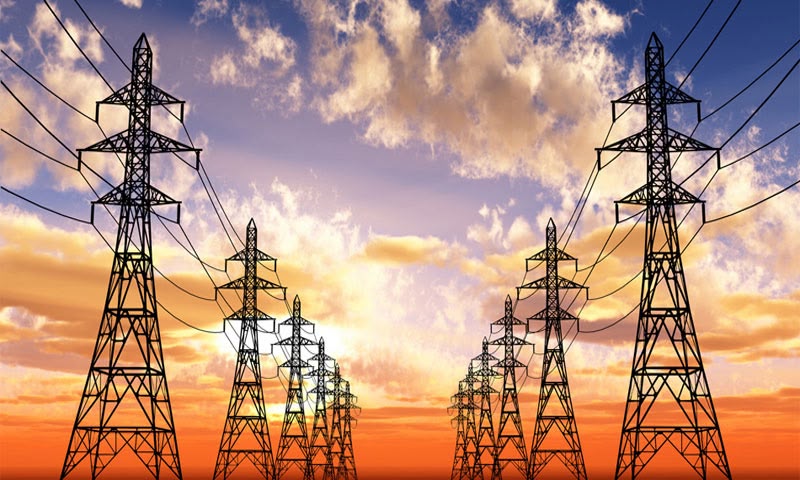
As new generation sources are connected to the system, grid infrastructure must have sufficient capacity to accommodate changing flows of electricity.
Ghana’s continuing investment in transmission infrastructure is therefore relevant to the country’s longer-term electrification ambitions.
Transmission constraints can prevent available generation from reaching areas where demand is strongest, while weaknesses in distribution can undermine the reliability experienced by consumers even when adequate generation exists nationally.
The same principle applies to renewable energy.
Adding large volumes of solar generation without adequate transmission capacity, storage and system-management tools can create operational challenges.
The objective must therefore be to develop generation and networks as parts of one integrated system.
This is particularly important as Ghana considers the electricity requirements of industrial and commercial development.
From Electricity Access To Economic Productivity
The economic case for electrification extends beyond the number of households connected to the grid.
Reliable electricity is a productive input.
For manufacturers, electricity interruptions can disrupt production and damage equipment. For businesses operating digital services, unreliable power can affect connectivity and service delivery.
For agro-processing enterprises, cold storage and processing activities depend on dependable electricity.
This means the quality of electricity supply can influence investment decisions, operating costs and competitiveness.
Ghana’s electrification strategy therefore has implications for industrialisation.
If additional electricity demand can be met with reliable and competitively priced power, electrification can support the expansion of productive activity.
If supply becomes increasingly expensive or unreliable as demand rises, however, the economic benefits can be weakened.
The challenge is consequently to ensure that electricity-sector investment stays ahead of the structural changes taking place in the economy.
That requires long-term planning rather than responding only when demand pressures become acute.
The Transition Requires A Diversified Energy Mix
The conversation at Gastech also reflects a broader reality confronting energy policymakers globally: the energy transition is not unfolding through a single technology.
Renewables are expanding rapidly, but conventional generation remains important to energy security in many developing economies.
Gas, in particular, can provide flexibility to electricity systems with increasing shares of intermittent renewable generation.
For Ghana, this creates the need for a balanced approach.
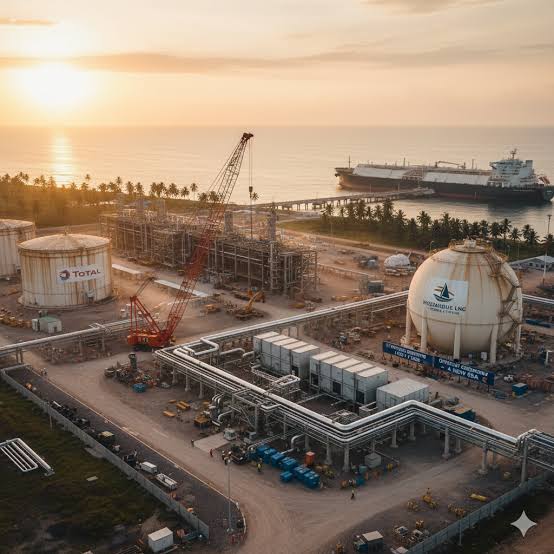
The country can expand renewable energy while continuing to develop the infrastructure required to use gas efficiently during the transition.
At the same time, investments in battery storage can help manage fluctuations in renewable output and improve system flexibility.
The objective should be an energy system capable of combining different resources according to their respective strengths.
That approach also matters from a financial perspective.
New generation capacity represents only one component of the cost of supplying electricity.
Transmission infrastructure, distribution networks, fuel supply, maintenance, system balancing and storage all contribute to the final cost and reliability of electricity.
Electrification planning must therefore consider the full energy system rather than isolated projects.
Ghana’s Global Energy Engagement
Mr Awoonor’s participation in the Gastech panel places BOSTenergies within an international conversation that is increasingly focused on the relationship between energy security, technology and economic development.
Gastech provides a platform for policymakers, energy companies, investors and technology providers to discuss developments across gas, LNG, electricity and emerging energy technologies.
For Ghana, engagement on such platforms can create opportunities to exchange perspectives with countries and companies confronting similar questions around energy access and system transformation.
More importantly, it allows Ghana’s energy priorities to be considered within a global market where investment decisions are increasingly influenced by questions of energy security, emissions, technology and long-term demand.
However, participation in international conversations is only one part of the equation.
The more important test is how such discussions translate into investment, infrastructure development, institutional capacity and policy decisions at home.
Building The System Behind The Transition
Ghana’s electrification challenge is therefore evolving.
The country has to expand access and electricity consumption while ensuring that the system supporting both remains financially and technically sustainable.
That means strengthening transmission and distribution infrastructure, maintaining sufficient reliable generation, integrating renewable resources and developing storage and other flexibility mechanisms.
It also requires recognising the continued interaction between electricity and Ghana’s petroleum and gas infrastructure.
As electricity becomes more important to economic activity, disruptions anywhere along the energy value chain can have wider consequences.
Fuel supply constraints can affect thermal generation; transmission limitations can restrict power delivery; distribution weaknesses can affect consumers; and financial pressures can undermine the ability of utilities and generators to maintain the system.
A successful transition must address these issues together.
This is where the discussion around universal energy access becomes particularly relevant to Ghana.
The objective should not simply be to produce more electricity, but to build an energy system capable of supporting the country’s changing economic structure.
Making Electrification Work For Development
The global shift towards electrification presents Ghana with an opportunity to rethink how energy infrastructure supports development.
A more electrified economy could support industrial production, digitalisation, cleaner transport and broader access to modern energy services.

But those benefits will depend on whether electricity remains dependable, affordable and sufficiently available as demand increases.
The discussion at Gastech Bangkok 2026 underscores the scale of that challenge.
For Ghana, the transition will require coordination between generation, transmission, distribution, gas infrastructure, renewable energy and storage rather than treating each component as a separate investment question.
BOSTenergies’ participation in the international conversation is therefore relevant not merely because a Ghanaian energy executive was represented on a global panel, but because the questions being debated have direct implications for the country’s energy future.
Universal electricity access is an important foundation. The next challenge is ensuring that the system built on that foundation is strong enough to power economic transformation.
As electrification gathers momentum globally, Ghana’s task will be to ensure that its power system does more than keep pace with rising demand.
It must become an enabler of productivity, investment and industrial growth while supporting the country’s gradual movement towards a more diversified and sustainable energy mix.
READ MORE: LEAP Grants Rise 70 Percent, Covers Over 400,000 Households — Gender Minister