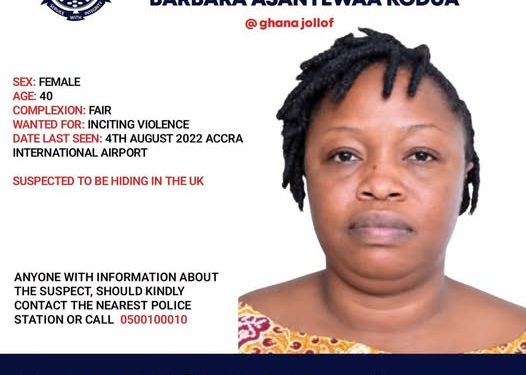
The New Patriotic Party (NPP) has called for an immediate review of the continued detention of 40-year-old principal nursing officer Salomey Awiti Bafoh and urged the Adenta Circuit Court to grant her reasonable bail. The party’s position follows her arrest and subsequent remand in connection with allegations surrounding the publication and circulation of content linked to the Ghana Jollof TikTok account.
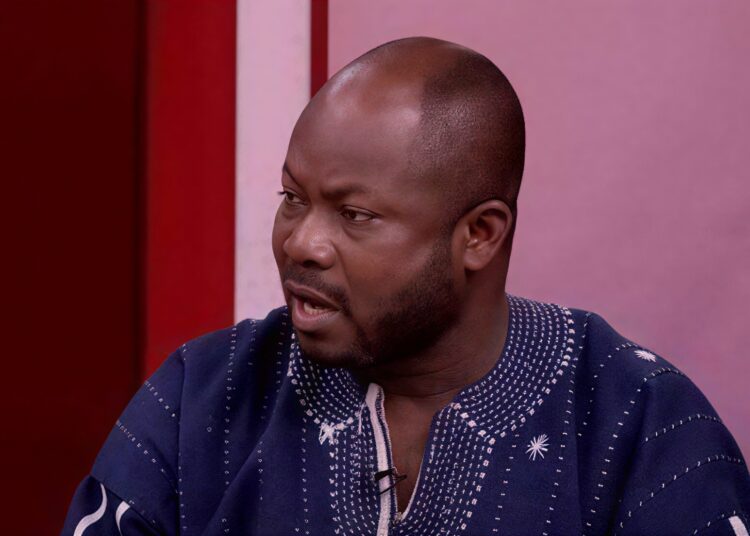
The Deputy General Secretary, Haruna Mohammed, has questioned the basis for keeping the health professional in custody after the Ghana Jollof account reportedly posts following the arrest. He argued that the continued activity raised questions about whether Ms Bafoh was actually the person operating the account.
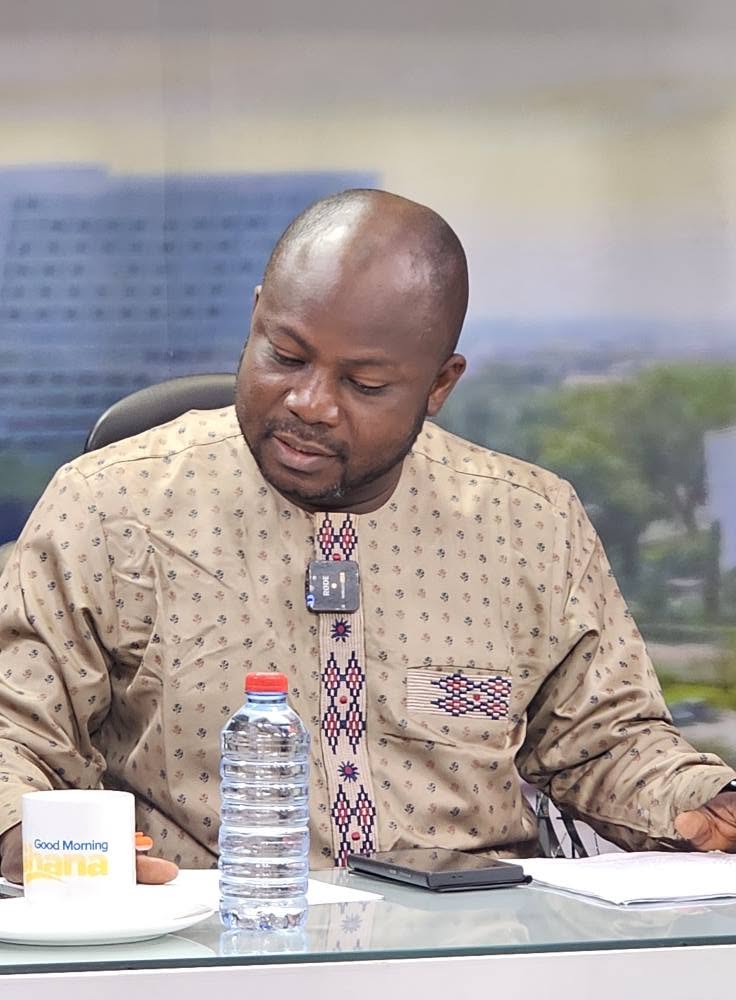
Mr Mohammed explained that the woman’s profession and family responsibilities also made the circumstances surrounding her detention particularly significant. He noted that she is a health professional who has children under her care and therefore called for the authorities to reconsider her continued detention.
“The person they are looking for is on TikTok again telling them that that is not the person,” Mr Mohammed remarked, pointing to the account’s continuous activity after the arrest. He argued that the development require authorities to establish a clear connection between Ms Bafoh and the account before keeping her in custody.
The Deputy General Secretary further disclosed that lawyers had been engaged to assist the detained woman following the development. He indicated that the party had received several calls concerning the case and had taken steps to provide legal support.
Ms Bafoh was arrested at her home in Hansua in the Techiman Municipality on September 13 and later appeared before the Adenta Circuit Court, where she pleaded not guilty to a charge of abetment of crime, specifically publication of false news. The court denied her bail and remanded her for two weeks, with the case scheduled for further hearing.
Against this backdrop, Mr Mohammed criticised what he considered unnecessary action against citizens and called for an end to such conduct. He linked the case to the wider question of how freedom of expression and the rights of citizens are protected during criminal investigations.
The NPP separately issued a statement calling for a review of Ms Bafoh’s detention and her admission to reasonable bail. The party has also pointed to the constitutional protections surrounding personal liberty, presumption of innocence and fair trial, while the allegations against Ms Bafoh remain before the court.
State Power Must Never Silence Legitimate Public Criticism
The Deputy General Secretary, Mr Mohammed, also criticised the manner in which state institutions are being used in the ongoing Ghana Jollof controversy, arguing that public authorities must exercise their powers within the limits of democratic accountability. He reiterated that political criticism, even when uncomfortable for those in authority, should be handled through lawful processes without creating a climate that discourages citizens from speaking.
He explained that the case goes beyond the individual at the centre of the proceedings and raises questions about how state power is exercised against citizens. According to Mr Mohammed, institutions entrusted with protecting the public must avoid actions that could be interpreted as an attempt to intimidate people who express views about government and public officials.
The Deputy General Secretary also pointed to the importance of consistency in the application of the law. He questioned why some forms of political commentary appear to attract stronger state action while other public statements receive different treatment.
“Democracy is about allowing people to express themselves and disagree with government.”
Haruna Mohammed
His comments also touched on the responsibility of the governing administration to protect democratic freedoms. Mr Mohammed indicated that the credibility of public institutions depends partly on whether citizens can trust that legal powers will be exercised fairly and without political considerations.
Dr Mahamudu Bawumia has similarly entered the debate, calling for restraint in the treatment of citizens accused of political or online offences. His intervention has placed additional emphasis on the need to protect freedom of expression while ensuring that allegations before the courts are determined through due process.

Addressing the wider political implications, Mr Mohammed argued that the treatment of citizens under the current administration would influence public confidence in Ghana’s democratic institutions. He stressed that constitutional rights must remain meaningful in practice, particularly when individuals make statements that challenge or criticise those in power.
The Deputy General Secretary further cautioned against creating a situation where citizens become reluctant to participate in public debate because of possible state action. He noted that democratic governance depends on an active citizenry capable of questioning government decisions and expressing alternative views.
From his perspective, the Ghana Jollof controversy therefore presents an opportunity for the authorities to demonstrate respect for due process and freedom of expression. Mr Mohammed insisted that accountability must apply to public institutions as well as citizens, with the law serving as the basis for resolving disputes.
READ ALSO: Ghana Has Six Weeks Of Fuel Cover – NPA