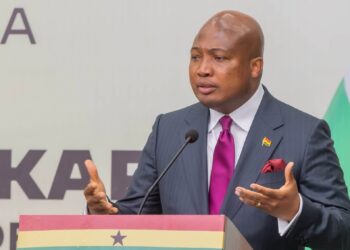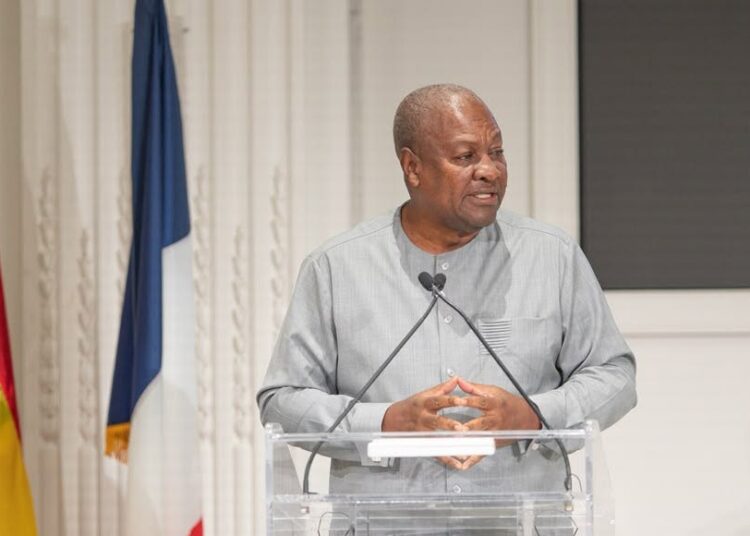
President John Dramani Mahama has called on multilateral development banks, international financial institutions, global foundations and private sector partners to finance the museums, laboratories and training Africa needs to receive its returned heritage.
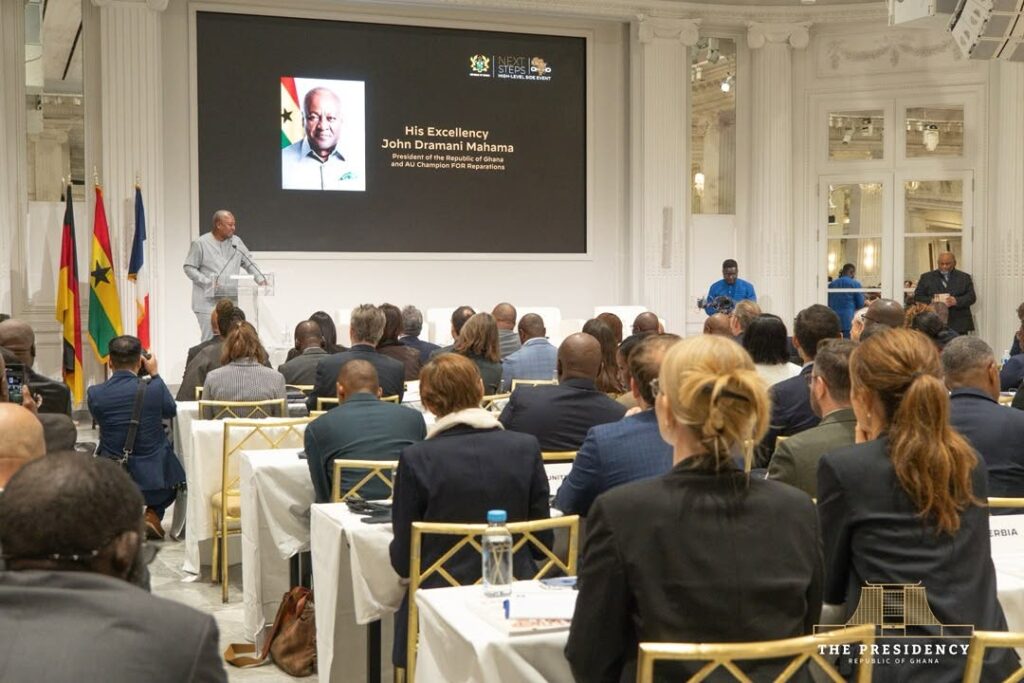
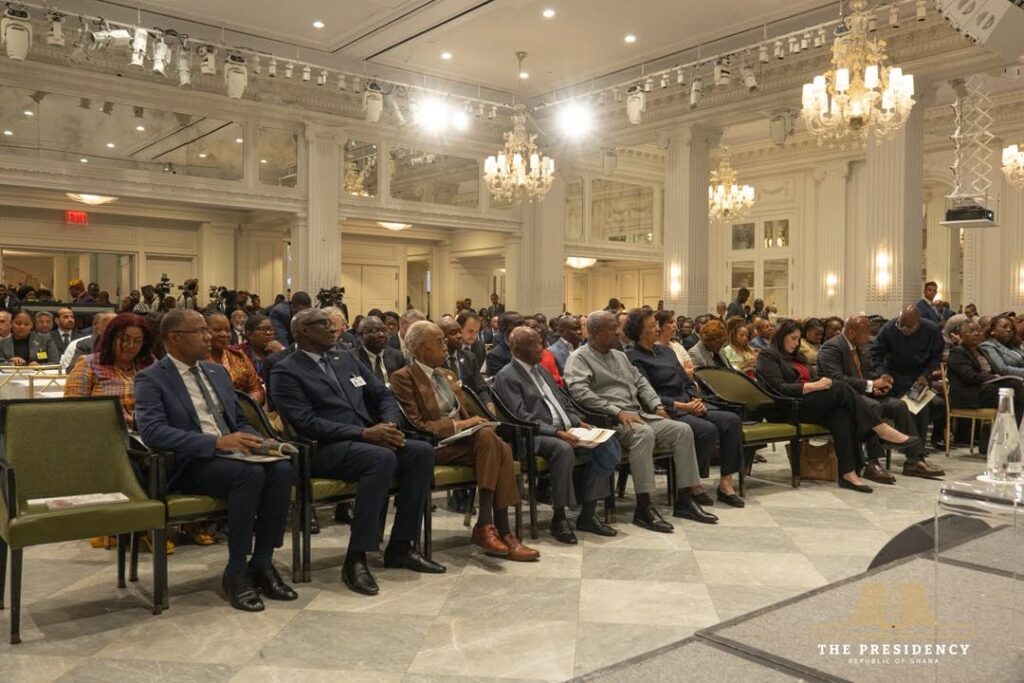
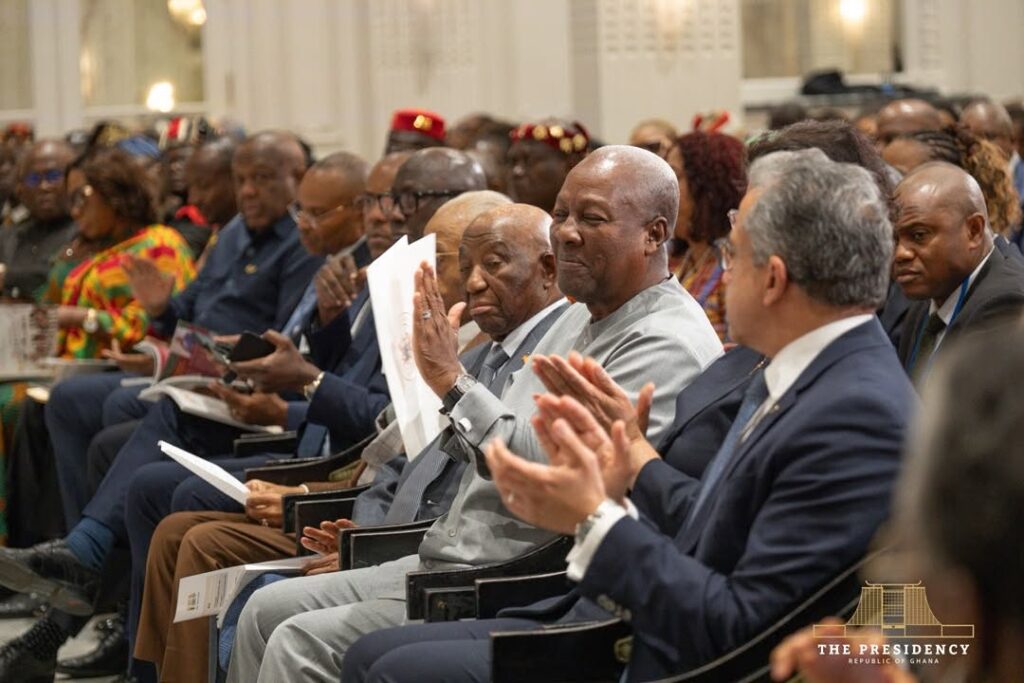
He made the appeal at the “Next Steps” high-level side event on the sidelines of the 81st United Nations General Assembly in New York, co-hosted by Ghana with Germany and France.
The request reframes a long-standing objection to restitution, since institutions holding African collections have argued that the continent lacks the conditions to keep returned objects safely. President Mahama told the gathering that Africa is already building that infrastructure, and that where gaps remain, the remedy is investment rather than continued possession.
The Pitch To The Financiers
His appeal named four targets: regional archives, conservation laboratories, digitisation initiatives and professional training for a new generation of African curators and historians. He asked that development finance be channelled deliberately into each.
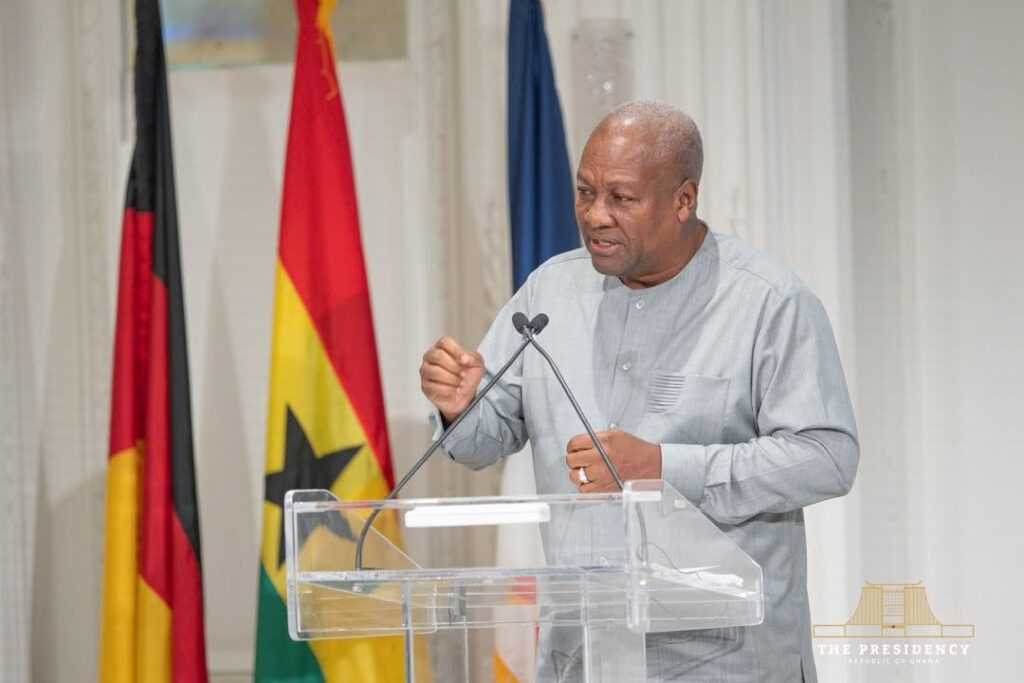
The list is revealing. Every item addresses precisely the deficiencies cited by institutions that resist returns, which converts the capacity question from a permanent obstacle into a budget line.
It also places culture in the same conversation as roads and power, where development finance ordinarily flows, and gives European governments that have pledged returns a way to support them beyond the handover ceremony.
Whether the pitch lands is another matter. Development banks fund projects with measurable returns, and cultural infrastructure has historically struggled to compete with assets that generate revenue directly, even though heritage tourism eventually does.
Foundations and private collectors may prove the easier audience, since several have already financed provenance research and museum construction on the continent.
The Argument He Refuses
President Mahama set out the objection before answering it. The argument has been made, he said, that Africa does not have the museums and the right conditions to keep these artefacts once they are returned. “We reject that argument,” he told the gathering, adding that it should not stand as a barrier to justice.
His counter is that the building has already started. He pointed to the Great Museum of Africa, the flagship heritage project under the African Union’s Agenda 2063, and said Ghana is constructing a state-of-the-art national and traditional institution to preserve, research and exhibit returning treasures.
Where gaps in technology, digitisation or conservation do exist, he offered a straightforward remedy rather than a concession, calling for genuine multilateral partnerships to close them.
Heritage As An Engine
The second half of his argument attacks a different assumption, that culture is a luxury to be addressed once the serious economic work is done.
“Heritage itself is an engine of development,” he said, arguing that objects properly preserved and showcased fuel education, identity, international tourism and a creative economy that is already among Africa’s fastest-growing sectors.
Ghana has direct evidence for the claim. The return of Asante regalia to the Manhyia Palace Museum in Kumasi in 2024 drew crowds and international attention, and the heritage sites at Cape Coast and Elmina anchor a tourism industry built substantially on diaspora travel.
That industry expanded sharply after the Year of Return, which showed how quickly heritage can translate into arrivals, hotel nights and jobs.
The Child In The Museum
President Mahama closed the argument with an image rather than a statistic, describing a young African child entering a museum on her own continent and touching tangible proof of her ancestors’ creativity.
That child, he said, learns that “her history did not begin with slavery and colonial subjugation,” but that her ancestors built empires, worked as master metallurgists, engineered complex political systems, and created sublime art.
He turned that into the purpose of the whole exercise. “Our young people must inherit more than the story of what Africa lost. They must inherit the story of what Africa created.“
The formulation explains why he insists the objects must come to the continent rather than remain accessible in London or Berlin, since the child he describes will not travel to see them.
What It Would Take
The practical scale of the request is considerable. Conservation laboratories require specialist equipment and trained staff, digitisation demands sustained funding rather than one-off grants, and training a generation of curators takes longer than any electoral cycle.
Ghana’s own facility will be the visible test. If it opens, functions, and draws visitors, the capacity argument weakens everywhere it is made. If construction stalls, the institutions holding African collections will have been handed the evidence they need to keep making it.
READ ALSO: Ato Forson Opens 2027 Budget Debate to Public Input