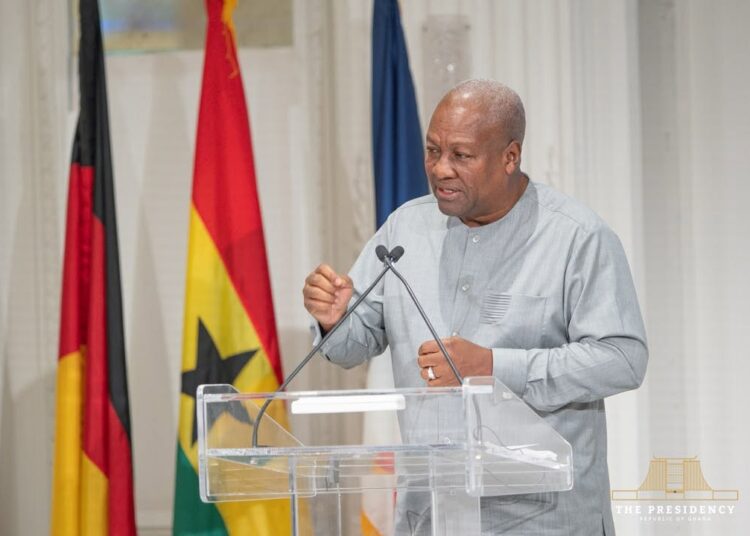
President John Dramani Mahama has called on UNESCO, the United Nations and countries holding African artefacts to establish standardised legal and diplomatic mechanisms for returning them.
He made the demand at the “Next Steps” high-level side event on the sidelines of the 81st United Nations General Assembly in New York, co-hosted by Ghana with Germany and France.
His argument is that returns have so far depended on the goodwill of individual institutions, leaving African claims at the mercy of decisions that can be reversed or refused. He wants provenance research streamlined, archives made transparent and legal barriers lowered so that restitution becomes a rule of international practice rather than a favour.
Truth As A Starting Line
President Mahama built the case on the resolution Ghana carried through the General Assembly six months ago. On 25 March, 123 member states adopted Resolution 80/250, declaring the trafficking of enslaved Africans the gravest crime against humanity and calling for the prompt and unhindered restitution of cultural property, sacred artefacts and national archives.
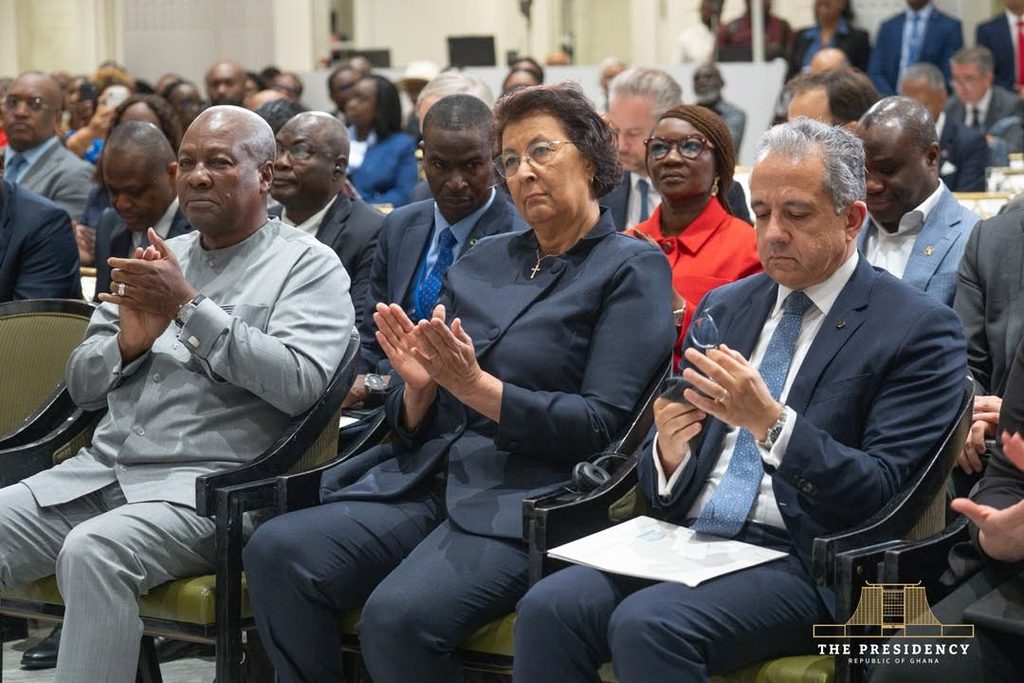
He described that vote as an indispensable moment of global truth, then refused to treat it as a conclusion. “But truth is not a destination. Truth is a starting line,” he said.
The follow-up came in June, when Ghana convened a high-level consultative conference in Accra that drew leaders from Africa, the Caribbean and the diaspora to answer what he called one fundamental question.
“We must move from acknowledgement to action and from commitment to implementation,” he said, presenting the Accra Next Steps Commitment as the blueprint for that shift.
A Roll Call Of Progress
Before setting out his demands, President Mahama acknowledged movement since March. He thanked the Netherlands for cataloguing 2,000 Ghanaian artefacts for return, and acknowledged Germany’s engagement with the Kpando traditional area.
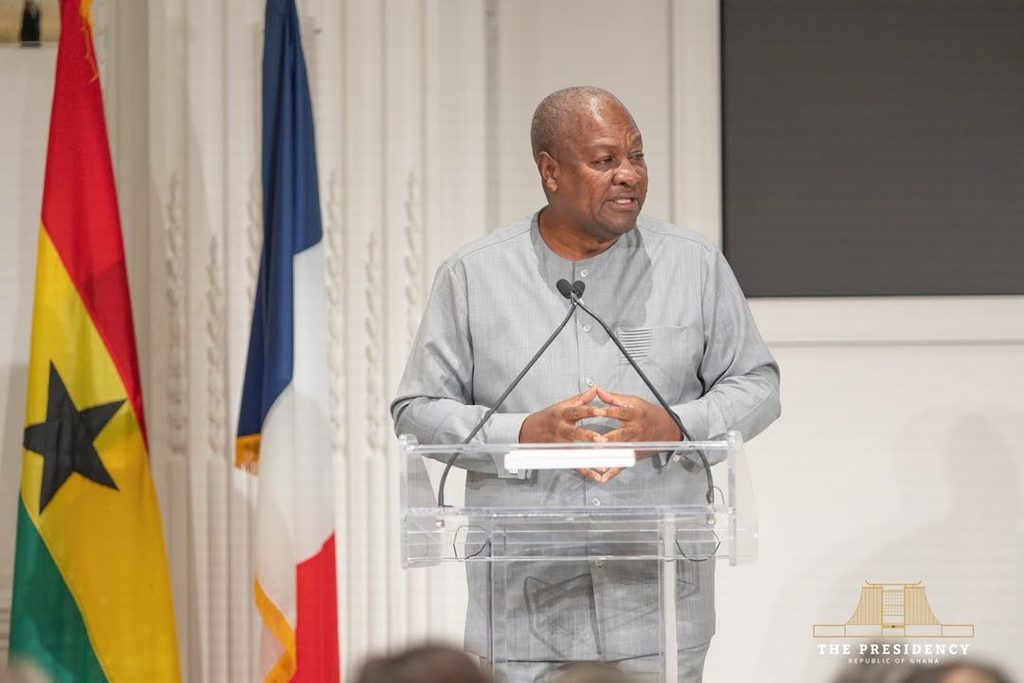
He also cited France’s legislative frameworks and its handling of the sacred talking drums of Côte d’Ivoire, and welcomed acknowledgements and apologies from church institutions, including the Catholic Church over its role in slavery and the Church of England, which has committed £100 million to a reparatory justice fund.
The Case Against Goodwill
The roll call served a purpose, since President Mahama used it to argue that the pattern itself is the problem. “Our justice cannot rely on piecemeal generosity or isolated acts of goodwill,” he said. The distinction matters in practice. Ghana’s own best-known recovery illustrates it.
The Asante regalia that came home in 2024, including the Mpomponsuo state sword, arrived from the British Museum and the Victoria and Albert Museum under a three-year renewable loan rather than a transfer of ownership, because British law bars those institutions from permanently disposing of items in their collections.
Only the seven objects returned by the Fowler Museum in California came back permanently. A loan can be ended. A catalogue can be shelved. An apology commits nothing beyond the words it contains. That is the gap President Mahama wants closed by rules that do not depend on who holds office in a European capital.
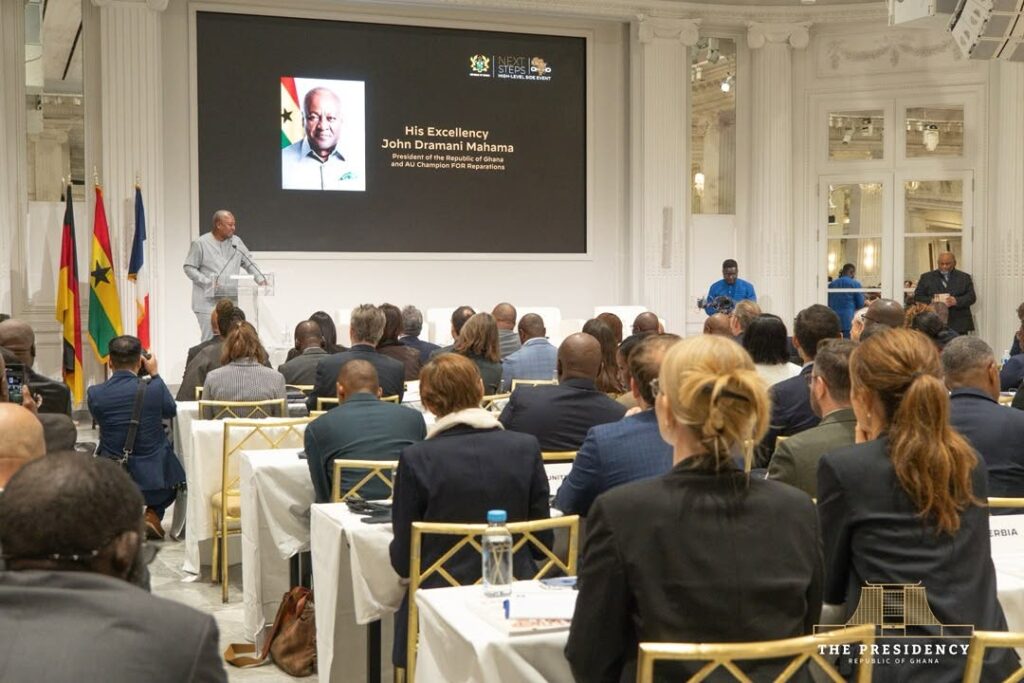
What Ghana Is Asking For
The request has three parts. Provenance research, which establishes how an object left Africa and who holds title to it, should be streamlined rather than left to each museum’s discretion. Archives should be made transparent, so claimants can identify what is held and where. And the legal barriers that prevent transfers should be lowered.
President Mahama also rejected conditions attached to returns, calling for unconditional restitution to begin immediately. Conditions, in this reading, function as a slower form of refusal.
He was careful about tone. Ghana does not come to the hall to assign guilt for past actions, he said, describing the effort instead as a partnership with the present to repair the future.
The Institutional Test
What President Mahama proposes would move restitution from bilateral negotiation into multilateral machinery, which is where it has never sat. UNESCO has an intergovernmental committee on returns dating to 1978, but its recommendations carry no binding force, and most successful claims have still been settled state to state or museum to museum.
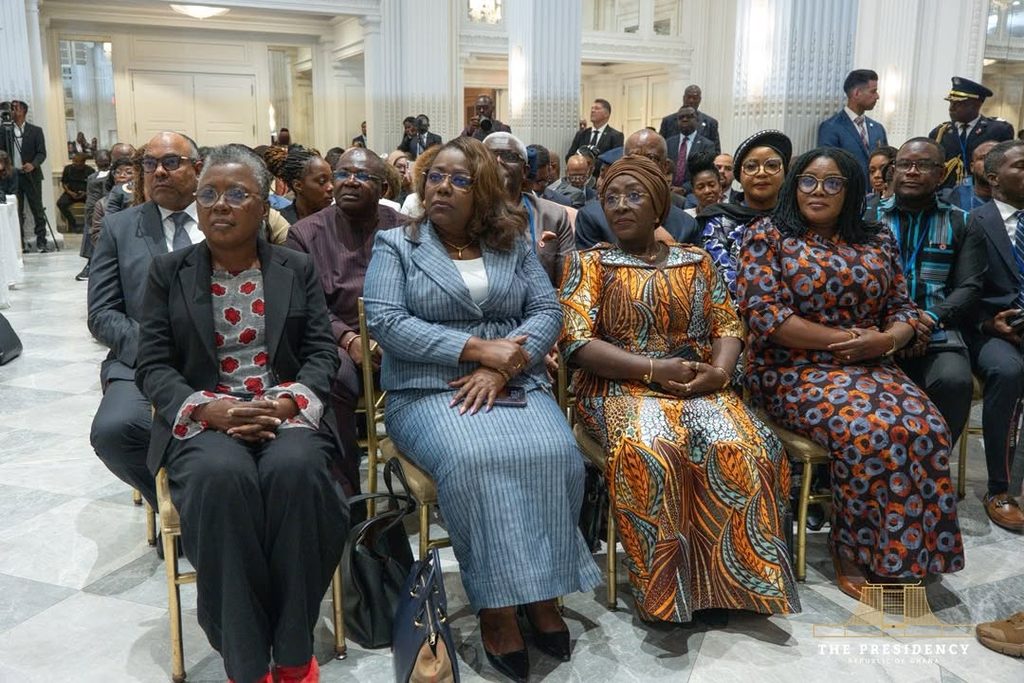
Building anything stronger requires the countries holding the objects to accept limits on their own discretion, which is a far larger concession than cataloguing a collection or issuing an apology. The Expert Panel on the Restitution of Cultural Heritage created at the Accra conference now has to turn that ambition into draft text.
President Mahama closed by asking that this General Assembly be remembered not for agreeing about the past but for building the future. The measure of whether it is will be whether any state changes its law.
READ ALSO: 66 Years After Nkrumah, Mahama Delivers Ghana’s 25th UN Address