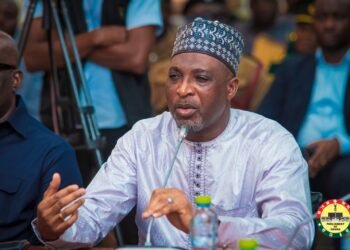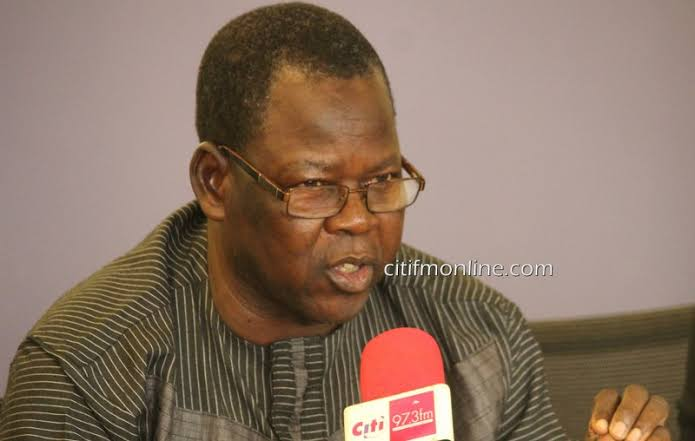
The Executive Director of the Ghana Integrity Initiative (GII), Mr Vitus Adaboo Azeem, has urged the government to lay down strict measures to curb prolonged strikes. The anti-corruption advocate wants existing labour laws enforced, and he asks the government to consider requiring unions to support their members financially during extended industrial action. He made the call in an interview.
Mr Azeem argues that indefinite strikes should not be allowed to disrupt essential services while loading extra costs onto employers. He said the government must introduce measures to ensure that prolonged industrial action does not undermine public service delivery, particularly amid ongoing labour disputes in Ghana.
“Government must enforce existing labour laws and introduce measures to prevent prolonged strikes from disrupting essential services, while considering ways to make unions financially responsible for supporting their members during extended industrial action.”
Executive Director of the Ghana Integrity Initiative (GII), Mr Vitus Adaboo Azeem,
Mr Azeem acknowledged the right of workers to demand better conditions of service. He drew a line, however, at strikes that have no end date. In his view, indefinite action should not be allowed to interrupt essential services, and employers should not have to absorb the extra costs that follow.
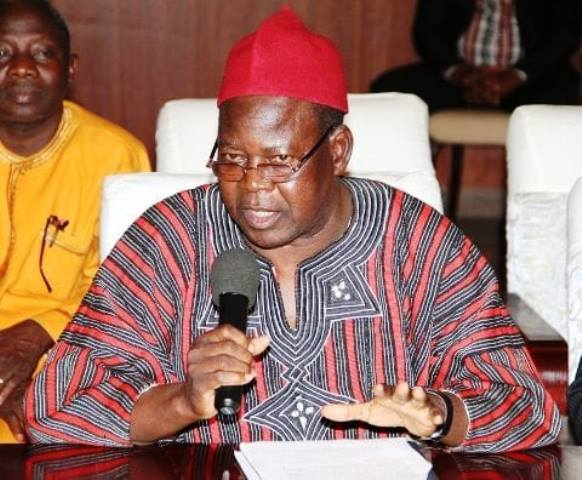
His reasoning follows a simple balance. Workers may press their case, but essential services should keep running while they do. His call targets strike length, not the right to strike itself.
Unions Asked to Carry Their Members
At the centre of his proposal sits a shift of financial responsibility. Mr Azeem stated that unions should take on the duty of supporting members when a strike extends beyond a reasonable period. He objected to the practice of relying on government salaries to sustain workers who remain away from their duties.
“In Ghana, if you don’t go to work for 10 working days, you are declared to have vacated your post.”
Executive Director of the Ghana Integrity Initiative (GII), Mr Vitus Adaboo Azeem,
Under his proposal, the association would pay its members “from its resources” once the period of government support ends. Government would carry the cost for a time, and after that point the union would take over.
Paying Strikers and Hiring Cover
Mr Azeem also questioned the financial logic of the present arrangement. Employers often recruit temporary staff to keep essential services running while regular workers are on strike. At the same time, he noted, they continue to pay the workers who have withdrawn their labour.
He argued that this places an additional burden on employers. They fund the absent workforce and the temporary replacements together, and he finds that difficult to defend.
Lessons From a Recent Teachers’ Strike
He noted that the country has just seen how tense and costly a long strike can become. A pre-tertiary teachers’ strike lasted two weeks and ended on Monday, October 19, after the collective agreement was negotiated and signed at the negotiation venue.
The teachers had demanded that promoted teachers be placed on their appropriate salary scales, that the collective agreement be signed, and that a deprived area allowance be introduced
He also recalled that the last comparable strike, in March 2022, lasted two weeks as well. On that occasion, he stated, the courts declared the action illegal and teachers returned to work without payment.
He said, the two episodes show that strikes can end in very different ways, through negotiation in one case and through court action in the other.
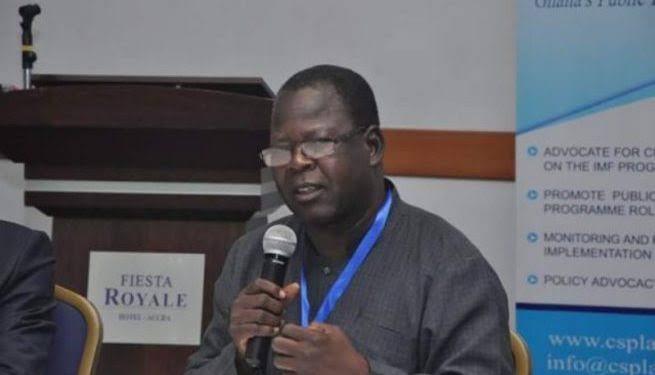
Enforcement Over New Rules
Beyond funding, Mr Azeem pressed the government to apply the labour laws already in force. His reference to the 10-day rule suggests that a framework for managing absence from work exists, and that enforcement is the real issue. His remarks seek to protect both sides: workers keep their right to demand better conditions, while employers avoid open ended costs.
The remarks come while several industrial disputes continue. For employers, unions and workers alike, the question he raises is who pays when a strike outlasts the government’s willingness to fund it.
READ MORE: MoE Set to Launch a Direct Reporting System