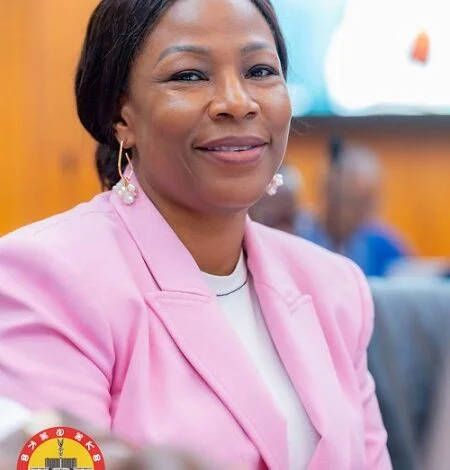
Deputy Minister of Health Dr. Grace Ayensu-Danquah has raised concern over the rising number of breast cancer deaths in Ghana, disclosing that about 2,000 women die from the disease annually, largely because they seek medical attention too late.
Speaking in an interview, she urged women to prioritise monthly breast self-examinations and seek prompt medical assessment whenever they notice unusual changes. She stressed that breast cancer is treatable, particularly when detected early, and cautioned against allowing fear, misconceptions or the absence of pain to delay care.
“What we are seeing in clinic is that the women come to us too late, what we call late presentation. By the time they come it’s a little too late for us to do something about it. But nowadays breast cancer is not a death sentence,”
Deputy Minister of Health Dr. Grace Ayensu-Danquah
Dr Ayensu-Danquah attributed the annual deaths to delays in seeking treatment, explaining that many women arrive at health facilities when the disease has progressed and options for effective intervention have become limited.

She noted that early detection gives patients a better opportunity to receive treatment and survive the disease. Available interventions include medication, surgery, chemotherapy and radiation therapy, depending on the medical assessment and needs of each patient.
Women Urged to Check Breasts Every Month
The Deputy Minister emphasised that a breast cancer diagnosis should not automatically be viewed as a death sentence, urging women to seek help instead of assuming that the disease cannot be treated.
Her concerns follow the observance of Breast Cancer Awareness Month in October, which was marked across the country to promote education and encourage women to pay attention to their breast health.
Dr Ayensu-Danquah advised women to conduct breast self-examinations monthly, explaining that the checks should take place two to three days after the end of their menstrual period.
She urged women not to wait until they experience pain before examining their breasts, noting that some early warning signs are painless and may be overlooked when people associate cancer only with discomfort.
“If you see a lump in your breast, if you see nipple discharge and you are not pregnant, if you see a rash on the skin of your breast, if you see anything unusual about your breast, note that it is not pain, it’s painless,”
Deputy Minister of Health Dr. Grace Ayensu-Danquah
The Deputy Minister identified a hard, painless lump as one sign that requires attention. Other abnormalities include a rash on the breast skin, changes that make the skin resemble the surface of an orange, medically known as peau d’orange, and nipple discharge.
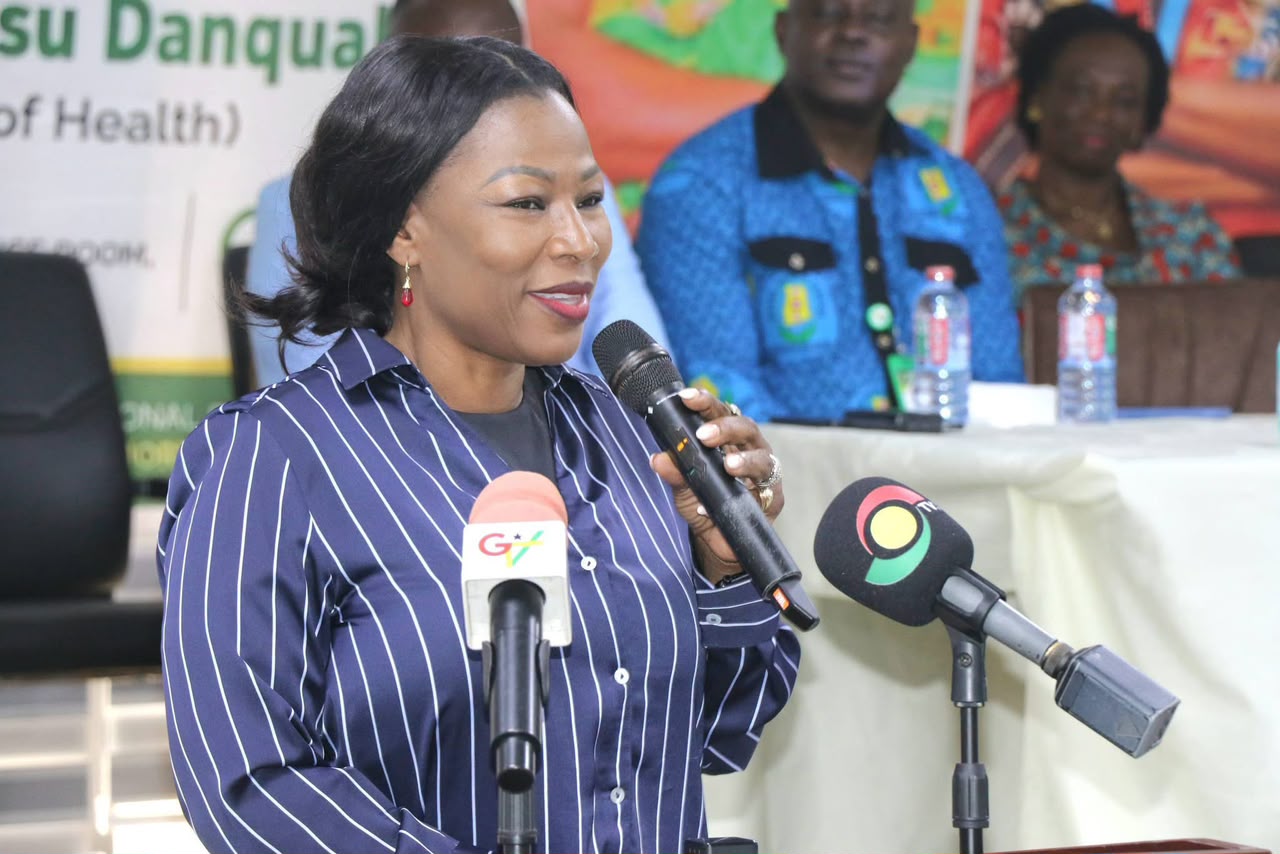
She explained that discharge may be milky, clear or bloody, and should be checked when it occurs in a woman who is not pregnant.
Doctor’s Assessment Guides Further Breast Cancer Tests
Dr Ayensu-Danquah urged women who discover an abnormality not to panic, but to visit a doctor for an examination and guidance on the next steps.
“Don’t panic. Just make sure you go to see a doctor. The doctor will do a clinical breast exam. After that, decisions will be made whether you need a mammogram, an ultrasound, or both, and the doctor will guide you,”
Deputy Minister of Health Dr. Grace Ayensu-Danquah
She explained that a clinical breast examination would help the doctor determine whether further investigations, including a mammogram, an ultrasound or both, are necessary.
The advice, she indicated, is intended to encourage women to act promptly rather than attempt to diagnose themselves or allow uncertainty to prevent them from seeking professional care.

Deputy Minister Rejects Biopsy Misconception
The Deputy Minister also dismissed the misconception that undergoing a biopsy causes cancer to spread, urging women not to allow the fear to keep them away from medical facilities.
Her message was that early assessment creates an opportunity for doctors to establish the nature of an abnormality and determine the appropriate course of care.
Delaying that process, particularly because a symptom is painless or because of misinformation about medical procedures, could leave women presenting later than necessary.
Dr Ayensu-Danquah’s warning reinforces the importance of sustained breast cancer awareness beyond the annual October campaign. Regular self-examination, attention to unusual changes and timely consultation with health professionals remain central to encouraging earlier presentation.
READ MORE: Health Minister Defends Nursing Training Admission Quota Policy