The West African Mining and Power Expo (WAMPEX) has spotlighted a wave of commercial openings across Ghana’s industrial ecosystem, asserting that the nation’s aggressive push toward domestic mineral beneficiation is unlocking substantial demand for auxiliary equipment, engineering, and logistics providers.
As Ghana shifts away from raw ore exports toward integrated value addition, major capital commitments in the bauxite and alumina sectors are creating a fertile environment for businesses supporting extractive operations.
“The proposed developments include mining, alumina refining and supporting infrastructure. For businesses supplying mining equipment, engineering, processing technologies, logistics and industrial services, developments like these highlight the wider supply-chain opportunities emerging in West Africa.”
West African Mining and Power Expo (WAMPEX)
This strategic pivot gained significant momentum following a landmark joint venture agreement signed in Moscow on October 29, 2026, between the state-owned Ghana Integrated Aluminium Development Corporation (GIADEC) and Russian aluminium giant Rusal.
Targeting the vast Nyinahin bauxite deposit in Ghana’s Ashanti Region which holds estimated reserves exceeding 100 million tonnes the partnership encompasses large-scale mining operations alongside the construction of an integrated alumina refinery and critical transport infrastructure.
Industry observers note that executing projects of this magnitude requires an extensive network of specialized contractors, heavy machinery vendors, and technical consultants across West Africa.
Breaking the Raw Export Cycle Through Value Addition
For decades, Ghana’s extractive sector despite being Africa’s leading gold producer and holding substantial bauxite and manganese reserves has suffered from structural value leakage by shipping unprocessed ores abroad.
Exporting raw bauxite yields a fraction of the economic return realized when the ore is refined into alumina and subsequently smelted into primary aluminium.
Recognizing this economic imperative, GIADEC was established to harness the country’s estimated 900 million metric tonnes of total bauxite resources into a self-sustaining, vertically integrated aluminium industry.
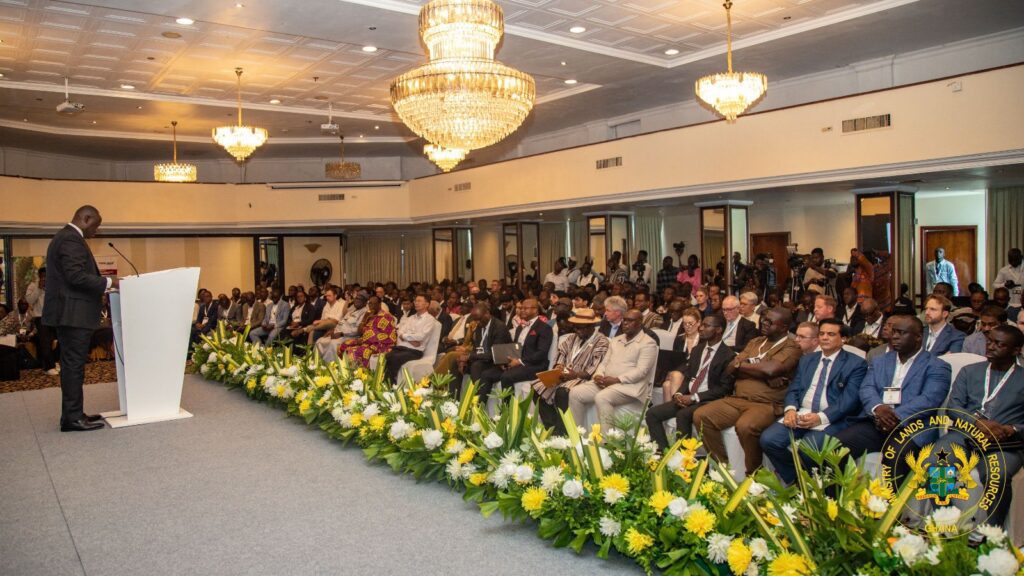
Under the newly inked accord, Rusal and GIADEC plan to establish mining operations capable of extracting up to five million metric tonnes of bauxite annually, paired with a domestic refinery designed to produce 1.2 million metric tonnes of alumina each year.
Speaking on the strategic rationale behind the partnership, GIADEC Chief Executive Officer Reindorf Twumasi Ankrah emphasized that the pact aligns directly with national industrialization goals.
“The Nyinahin projects will bring investment, thousands of jobs, improvements to rail and port infrastructure, and new opportunities for Ghanaian businesses,” Ankrah stated, underscoring how domestic processing keeps capital expenditure, technical skill transfer, and industrial procurement anchored within the local economy.
Infrastructure Demands and Industrial Spillovers
Developing an integrated mine-to-refinery corridor in the Ashanti Region demands far more than excavation machinery; it necessitates a comprehensive overhaul of supporting physical and technological infrastructure.
Transporting millions of tonnes of bulk ore and refined alumina requires modernizing Ghana’s western and eastern railway networks, upgrading bulk-handling terminals at the Port of Takoradi, and ensuring reliable, high-capacity power generation and water treatment facilities.
Furthermore, constructing and operating a 1.2-million-tonne alumina refinery introduces complex chemical and metallurgical processing requirements.
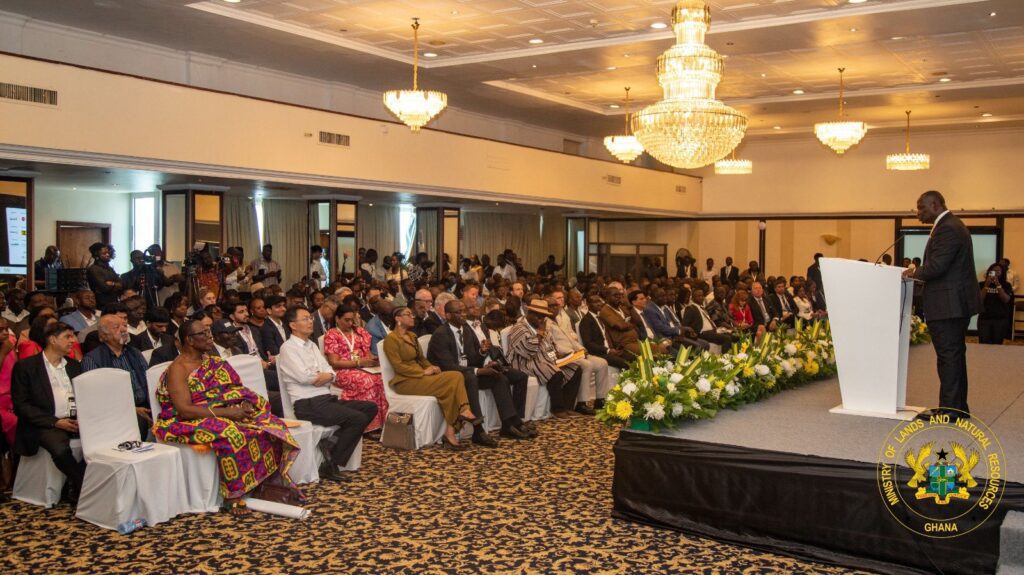
Rusal General Director Evgeniy Nikitin noted that establishing an integrated production chain requires sustained technical precision “from design through to reaching full production capacity.”
Consequently, tier-one and tier-two suppliers specializing in automated process controls, environmental compliance technologies, fleet maintenance, geotechnical engineering, and heavy-haul logistics stand to benefit directly.
Local small and medium-sized enterprises (SMEs) are also positioned to capture downstream contracts in civil works, camp management, safety gear supply, and specialized fabrication.
Positioning Suppliers at WAMPEX 2027
As capital flows accelerate into West Africa’s extractive corridors a regional market projected to reach $89 billion bridging the gap between project developers and solution providers becomes paramount.
Scheduled to take place from June 2 to June 4, 2027, at the La Palm Royal Beach Hotel in Accra, the 20th edition of WAMPEX will serve as the premier commercial nexus for stakeholders seeking to tap into these emerging supply chains.

With over 10,000 mining professionals, 350 global and local exhibitors, and delegations from more than 60 countries expected to convene, the forum offers equipment manufacturers and service providers direct access to procurement decision-makers, mine managers, and policy architects.
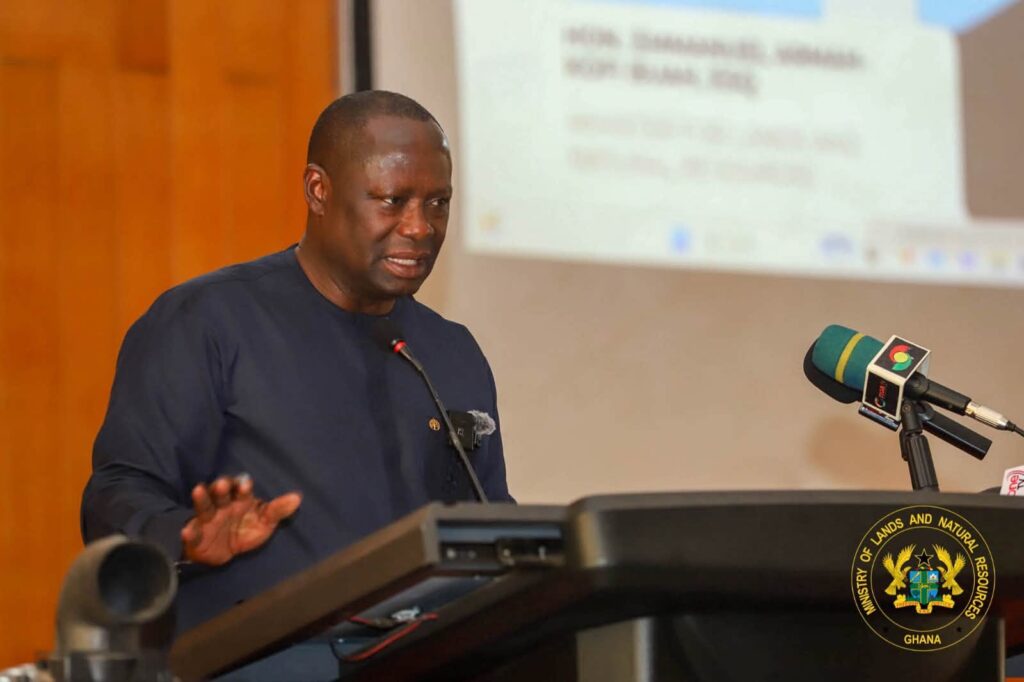
As Minister of Lands and Natural Resources Emmanuel Armah-Kofi Buah recently asserted, industry platforms must serve as “a decisive platform for transforming mineral resources into long-term socio-economic value, not just another talking point.”
READ ALSO: Hungary Announces Two-day Suspension Of Rail Traffic To Ukraine