The Ministry of Education has urged students participating in the 7th Energy Commission Senior High Schools Renewable Energy Challenge to develop practical innovations capable of addressing Ghana’s energy needs and supporting the country’s 24-hour economy.
Deputy Director at the Ministry of Education, Jemimah Boatemaah Osei, who delivered a speech on behalf of Education Minister Haruna Iddrisu, emphasised the importance of equipping students with practical scientific knowledge, technical skills and innovative thinking to develop sustainable energy solutions that respond to national development priorities.
“The future of Ghana’s energy sector is not something that will happen to you. It is something you can help shape.”
Deputy Director at the Ministry of Education, Jemimah Boatemaah Osei
Addressing participants at the seventh edition of the competition, Mrs Osei described the event as more than an academic contest, noting that it demonstrated how education, science, technology and innovation could contribute to solving challenges confronting Ghana.
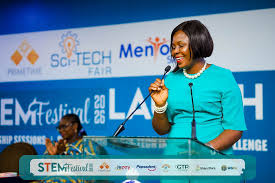
She explained that the theme, “Harnessing Renewable Energies to Support a 24-Hour Economy”, reflected the need for reliable, affordable, accessible and sustainable energy to support economic activities across different sectors.
Renewable Energy Challenge targets Ghana’s 24-hour economy
According to her, a functioning 24-hour economy requires dependable electricity to enable businesses to operate, farmers to process agricultural produce, health facilities to preserve essential medicines and schools to maintain consistent power supply.
She identified solar, wind, small-scale hydro and bioenergy as renewable energy sources that could help expand the country’s energy resources, strengthen resilience and reduce environmental pressure.
Mrs Osei further observed that investment in renewable energy could create opportunities for local enterprises, develop technical skills and generate decent employment, particularly as Ghana explores sustainable approaches to meeting its growing energy requirements.
However, she cautioned that the transition must remain practical and inclusive, stressing that innovations should address the needs of ordinary people, especially households and communities underserved by existing energy systems.
Education Ministry calls for practical learning and innovation
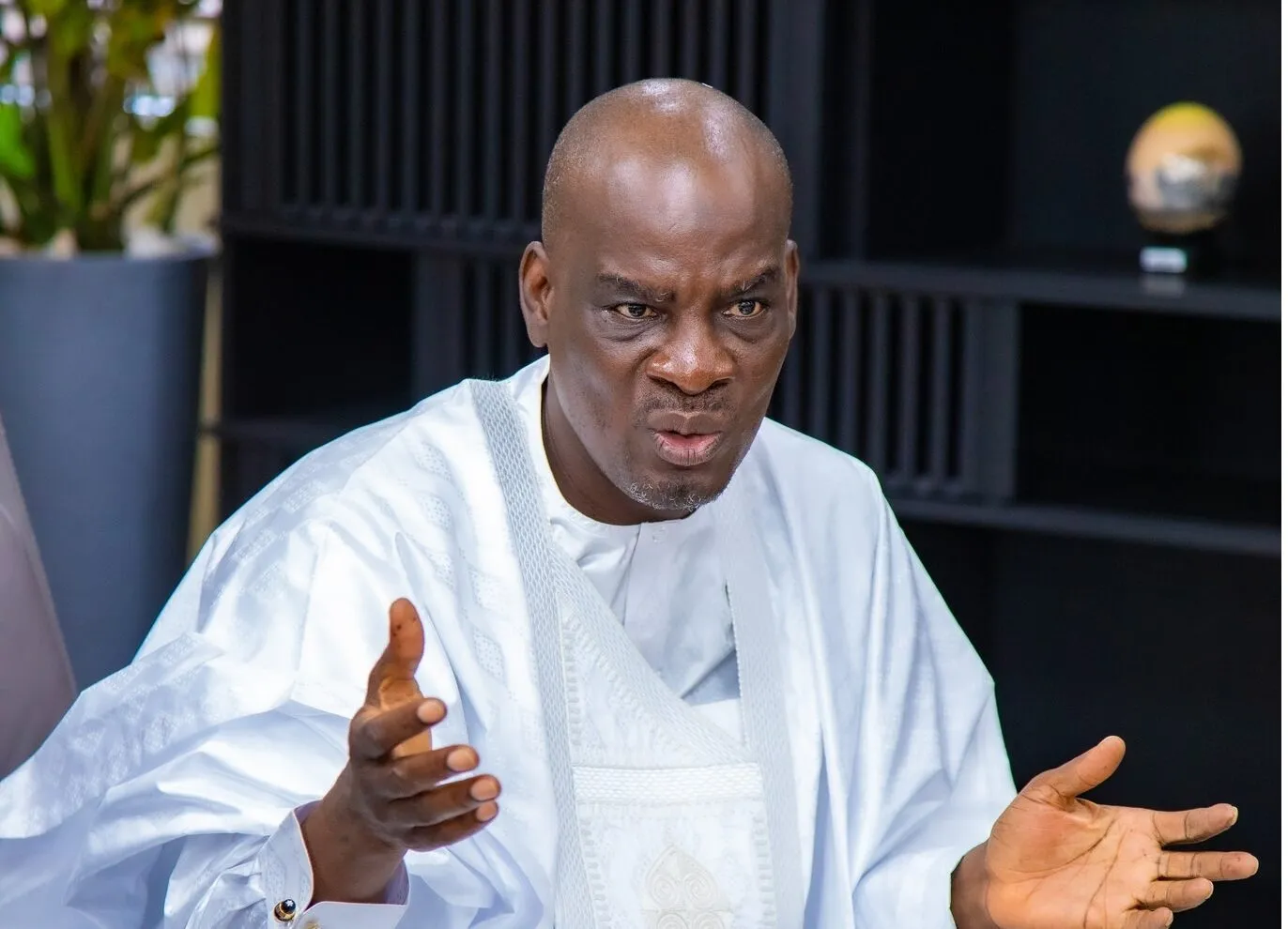
The Ministry of Education representative maintained that the competition aligned with government’s broader objective of making education more responsive to national development.
She explained that students must acquire more than theoretical knowledge, emphasising the need to strengthen critical thinking, problem-solving abilities and practical competencies that enable learners to address challenges within their communities and beyond.
Mrs Osei urged schools to create environments where students could experiment, collaborate across disciplines and apply classroom knowledge to real-life situations.
She also called for stronger partnerships among government institutions, schools, industry practitioners, universities, research institutions and development partners to support young innovators.
According to her, such collaboration should provide students with mentorship opportunities, access to laboratories, technical apprenticeships and seed funding to transform their intellectual property ideas into workable solutions.
She stressed that promising innovations required sustained institutional support beyond competitions if they were to develop into practical technologies capable of serving communities.
Schools, teachers and parents encouraged to support young innovators
Mrs Osei commended teachers, parents, headmasters and mentors for supporting students throughout the innovation challenge, acknowledging their contribution to nurturing young talents.
She encouraged the finalists to maintain their commitment to teamwork and collaboration, describing these qualities as essential to developing solutions to Ghana’s developmental challenges.
Her appeal extended to students who had participated in the competition, urging them to remain disciplined in their research, open to learning from others and persistent in developing their ideas.
“Keep innovating, be bold and imagine a better Ghana,”
Deputy Director at the Ministry of Education, Jemimah Boatemaah Osei
She further encouraged students to approach innovation with determination, explaining that successful solutions required continuous learning, research and the willingness to improve existing ideas.
Mrs Osei maintained that young people had an important role in shaping the country’s energy future and should view their participation as an opportunity to contribute meaningfully to national development.
Energy Commission commended for expanding innovation platform
The Ministry of Education also commended the Energy Commission for establishing the Renewable Energy Challenge in 2019 and developing it into a national platform for promoting scientific creativity and technological innovation among senior high school students.
Mrs Osei particularly highlighted the introduction of the Champions of Champions category, describing it as an opportunity for high-performing schools to demonstrate progress, raise standards and inspire a new generation of innovators.
She noted that the Commission’s collaboration with the Ghana Education Service and other stakeholders represented an investment in developing the country’s future scientific and technological capacity.
She also acknowledged the contributions of judges, organisers, sponsors and development partners whose involvement had supported the competition’s growth and implementation.
Students urged to translate renewable energy ideas into solutions
Mrs Osei challenged the finalists to look beyond the competition and pursue the practical development of their innovations, emphasising that Ghana needed solutions capable of addressing real energy challenges.

She maintained that students must combine creativity with discipline and persistence to transform their ideas into technologies that could support households, businesses and essential public services.
She also encouraged participating schools and supporters to recognise the value of learning, experimentation and collaboration, regardless of the competition’s final outcomes.
Concluding her address on behalf of the education minister, she reiterated the Ministry’s commitment to education that equips learners with the knowledge and practical abilities required to contribute to national progress.
She expressed confidence in the potential of young innovators to contribute to Ghana’s renewable energy development, urging them to remain committed to creating solutions that support a sustainable and productive economy.
READ MORE: National Schools Farms Initiative Uses Agriculture to Combat Galamsey