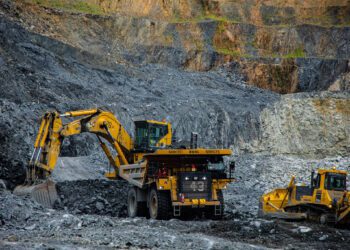

Ministry of Lands and Natural Resources has called for a multi-stakeholder approach to environmental recovery, citing the staggering financial burden required to restore lands destroyed by illegal mining activities across the country.
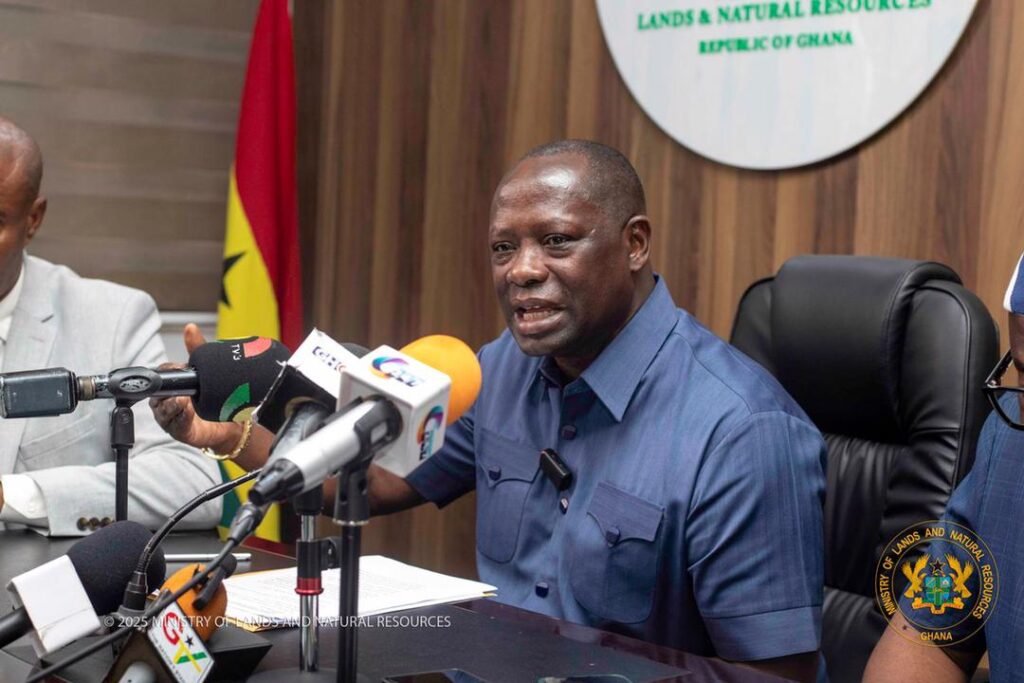
According to Mr. Paa Kwesi Schandorf, Media Relations Officer at the Ministry of Lands and Natural Resources, government data indicates that over 5,500 hectares of land have been ravaged by unregulated mining activities.
The Ministry is pivoting toward a massive reclamation drive in 2026, emphasizing that the sheer scale of the devastation necessitates a departure from state-only funding to a robust public-private partnership (PPP) model.
“If you want to reclaim a single hectare you are looking at about forty-eight thousand US dollars. Clearly because of the cost-intensiveness government cannot do it alone and so maybe if I may use your platform to call on the Corporate Ghana to come on board and support.”
Mr. Paa Kwesi Schandorf

The initiative aims to transition these “moonscape” landscapes back to their pristine, productive conditions within a year of active intervention, though the Ministry admits the path is fraught with fiscal hurdles.
Current estimates place the cost of reclaiming a single hectare of devastated land at approximately $48,000, bringing the total projected expenditure for the identified 5,500 hectares to over $264 million.
While the government, in collaboration with Newmont Ghana, has already successfully reclaimed 800 hectares including recent milestones in the Ashanti Region, the remaining 4,700 hectares represent a “cost-intensive enterprise” that the state cannot navigate in isolation.
Economics of Ecological Restoration
The $48,000 per hectare price tag reflects more than just filling pits; it encompasses a complex scientific process of soil stabilization, neutralization of toxic chemicals like mercury and cyanide, and the reintroduction of indigenous flora.
The Ministry’s “Tree for Life” reforestation initiative is central to this, but the heavy machinery and technical expertise required for earthworks and slope battering drive up the capital requirements.
As the media relations officer noted, the successful project in the Ashanti Region was “sponsored and facilitated by Newmont Ghana,” serving as the primary blueprint for how “Corporate Ghana” can fulfill its Social Corporate Responsibility (CSR) while mitigating the industry’s broader environmental footprint.
Bridging the 4,700-Hectare Deficit
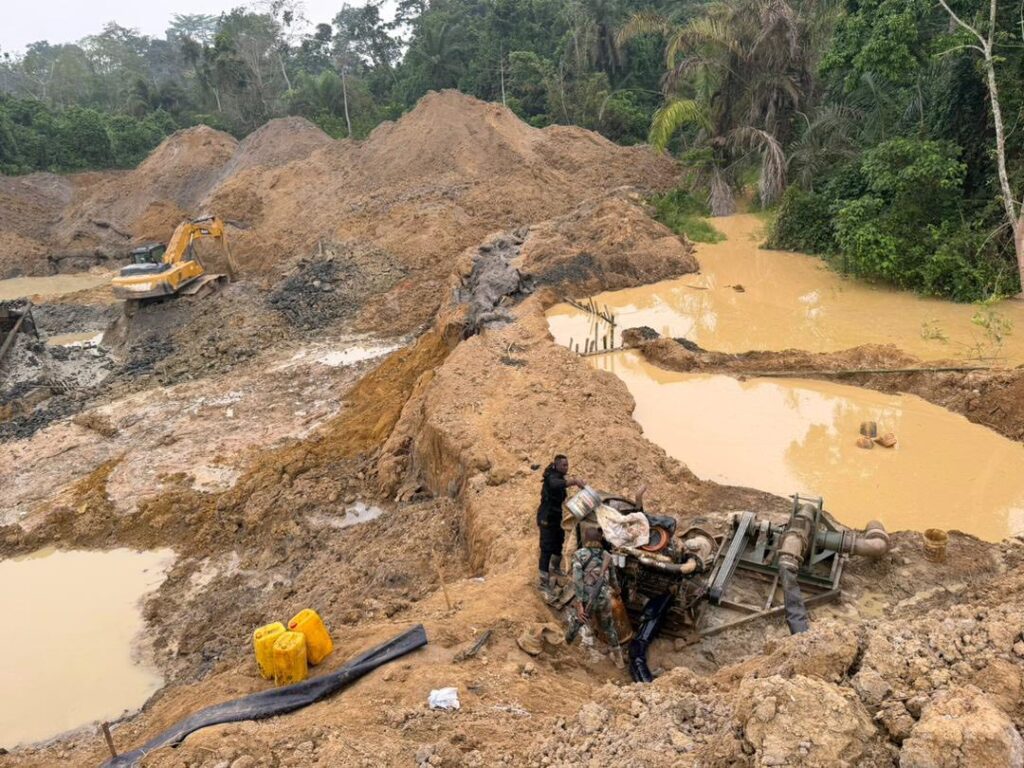
The urgency of this call for support is underscored by the current deficit in reclaimed territory. To date, only 800 hectares have been restored, leaving approximately 85% of the devastated land in a state of ecological suspended animation.
These areas, if left untreated, continue to leach heavy metals into the water table and deny local communities their primary source of agricultural livelihood.
Corporate intervention is not merely an act of charity but a critical investment in the “social license to operate” for the entire extractive sector.
By pooling resources, the Ministry hopes to accelerate the “five-prong approach” to tackling the galamsey menace, moving from enforcement to active healing of the earth.
A Vision for a Pristine Future
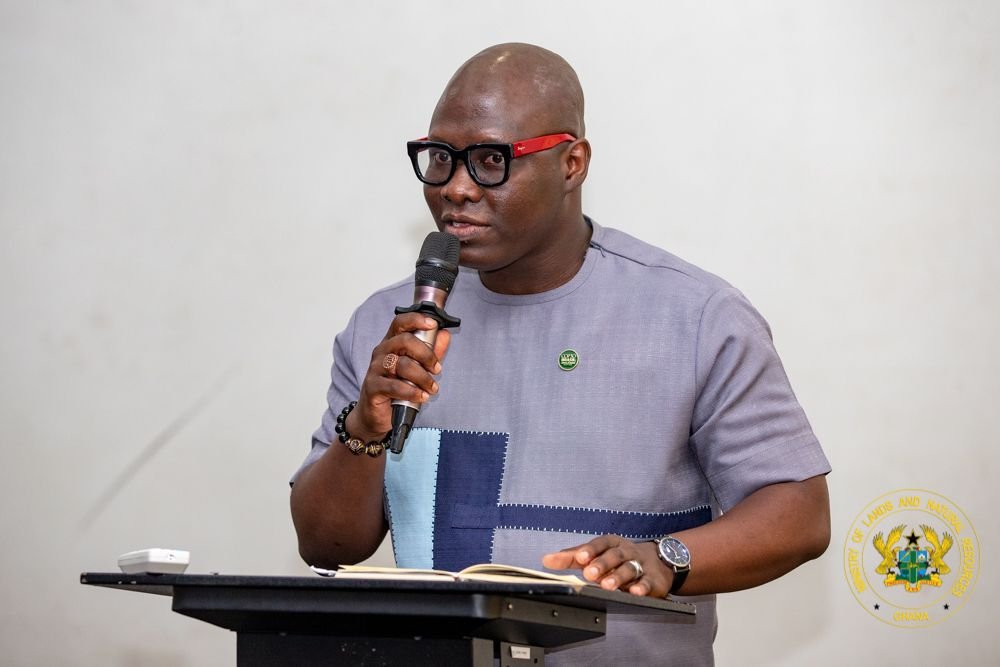
The Ministry remains optimistic that with enough corporate backing, the transition from “devastated” to “pristine” can be achieved within a twelve-month window per site.
The recent success at Manso Nyankomanse, where 320 hectares were reclaimed, proves that the instrumentality of government when fueled by private sector capital can produce “fashionable” and productive landscapes from the ruins of illegal mining.
As 2026 unfolds, the Extractive Sector will be watching closely to see if other industry players follow Newmont’s led to ensure that the “math” of reclamation finally adds up for the benefit of the Ghanaian environment.
READC ALSO: MoTAI Partners GCX and GSA for Trade Reset