Government has partnered with Newmont Ghana Limited to spearhead the ecological restoration of vast tracts of land previously devastated by illegal mining.
This collaborative effort has already resulted in the successful reclamation of 320 hectares of degraded mined-out land across the Manso Nyankomanse and Asare sites in the Ashanti Region.
By deploying technical expertise and substantial corporate investment, the initiative aims to reverse the “environmental scars” left by unregulated extraction, effectively transforming hazardous open pits and poisoned soils into productive, ecologically functional assets that benefit local forest-fringe communities.
“This successful reclamation affirms President Mahama’s commitment following the launch of the ‘Tree for Life’ Reforestation Initiative April last year. This government is committed to transitioning these hazardous, unproductive landscapes into ecologically functional assets. I want to specially commend Newmont Ghana Limited for their exemplary corporate citizenship.”
Hon. Armah-Kofi Buah, Lands Minister
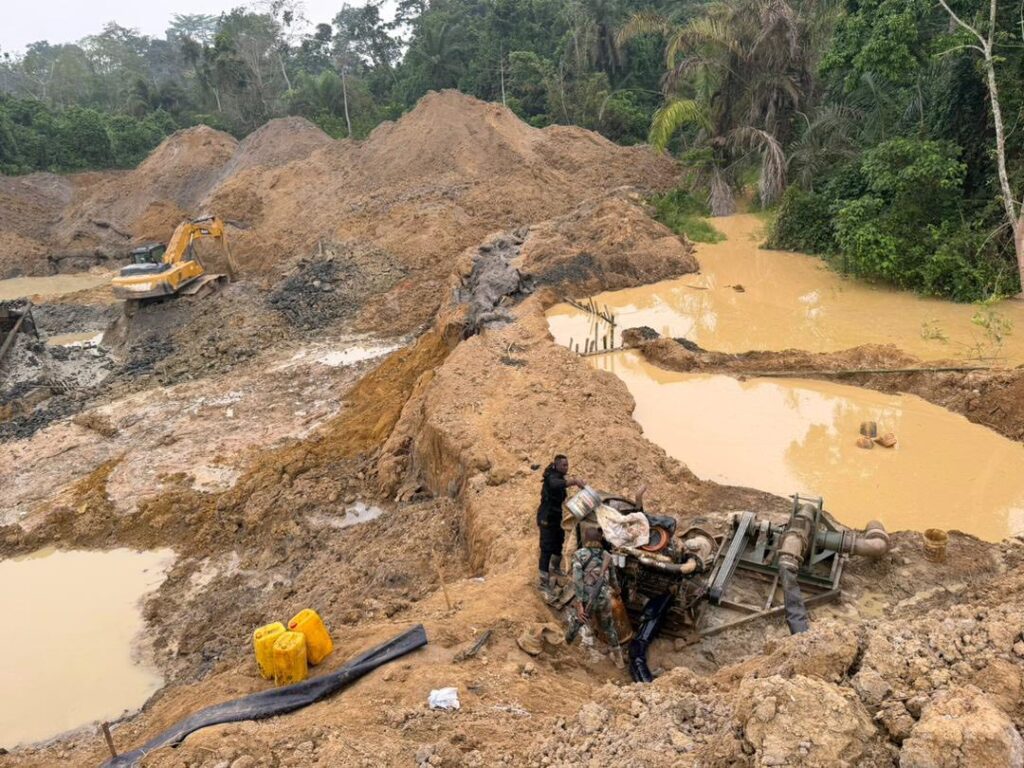
The project serves as a practical implementation of the “Tree for Life” Reforestation Initiative, which was launched by President John Mahama in April last year to combat the rapid loss of Ghana’s high forest cover.
The reclamation process involves complex geotechnical and biological interventions, including the stabilization of steep slopes, the neutralization of toxic heavy metals, and the reintroduction of indigenous and exotic tree species.
This intervention is critical because, as the lands minister noted during a recent field inspection with the Forestry Commission, these sites were previously “hazardous and unproductive landscapes.”
Through Newmont’s “exemplary corporate citizenship,” the partnership is providing a blueprint for how large-scale mining entities can support the state in remediating the damage caused by illegal artisanal operators while simultaneously creating rural employment in the green economy.
Ecological Restoration and Phytoremediation of Toxic Soils

The significance of reclaiming 320 hectares of galamsey-degraded land cannot be overstated, particularly regarding the mitigation of heavy metal contamination.
Illegal mining often leaves behind high concentrations of mercury, arsenic, and lead, which leach into water bodies and enter the food chain via nearby farms.
Expert reclamation involves “phytoremediation,” where specific plant species are used to absorb these toxins, effectively “healing the soil” before the land can be deemed safe for any secondary use.
By restoring the hydrological cycle and preventing further soil erosion, this initiative protects the integrity of the local river systems, which are vital for the health and survival of the surrounding Manso and Asare communities.
Socio-Economic Reintegration of Mined-Out Sites
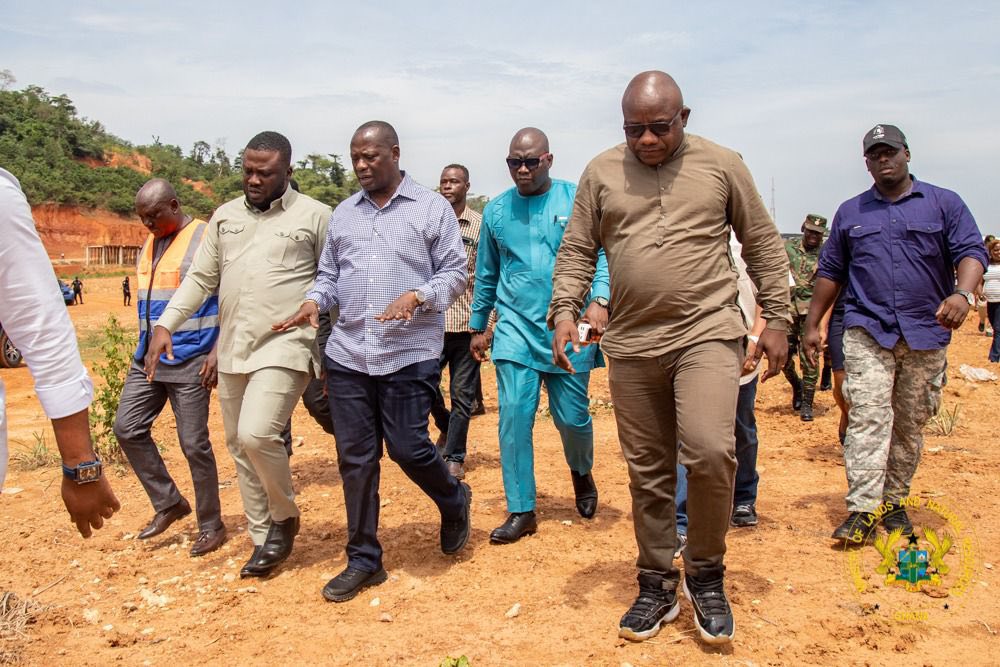
Beyond the environmental benefits, these reclaimed lands are being prepared for high-value economic activities that can sustain local livelihoods long after mining has ceased.
Once the soil fertility is restored, these 320 hectares can be repurposed for sustainable “Trees-on-Farm” (ToF) systems, incorporating timber species like Mahogany, Ofram, and Emire with high-demand cash crops or bamboo plantations.
This transformation of “dead land” into an “asset class” provides a new revenue stream for the community, offering a viable and legal alternative to the destructive cycle of galamsey.
Furthermore, the stabilization of the terrain removes the physical danger of abandoned pits, which have historically served as “deadly traps” for livestock and residents.
Strengthening Corporate-State Synergy in Extractive Governance

This partnership highlights a critical shift in Ghana’s extractive governance, where large-scale miners are increasingly viewed as essential allies in national environmental management.
Newmont’s involvement sets a high standard for “Nature Positive” mining practices, proving that corporate social responsibility can go beyond infrastructure to include the direct restoration of the national ecosystem.
This synergy allows the government to leverage the “very latest technology” and global best practices in land stabilization that might otherwise be financially or technically out of reach.
As these sites transition back into “ecologically functional assets,” the project underscores the government’s resolve to ensure that the extractive sector contributes to, rather than detracts from, Ghana’s long-term climate resilience and sustainable development goals.
READ ALSO: nvest in TVET to Sustain Poverty Reduction – Eduwatch Boss