
The Nigerian National Petroleum Company Limited (NNPC) has reaffirmed its commitment to gas-led industrialisation as a central pillar of Africa’s economic transformation, pledging to deepen partnerships and strengthen indigenous capacity across the continent.
The commitment was reiterated at the 10th Sub-Saharan Africa International Petroleum Exhibition and Conference (SAIPEC) 2026, held in Lagos, which marked a decade of high-level dialogue on Africa’s energy future.
Speaking at the milestone event, NNPC Group Managing Director, Bayo Ojulari, stressed that Africa must take ownership of its energy narrative if it is to achieve sustainable and inclusive growth. He noted that gas remains Africa’s most viable transition fuel, capable of powering industries, expanding electricity access, and driving long-term development.
“NNPC Ltd remains committed to playing its part in strengthening partnerships, supporting indigenous capacity, and advancing gas as a catalyst for industrialisation.”
Bayo Ojulari, NNPC Group Managing Director
African-Led Energy Narratives and Indigenous Participation
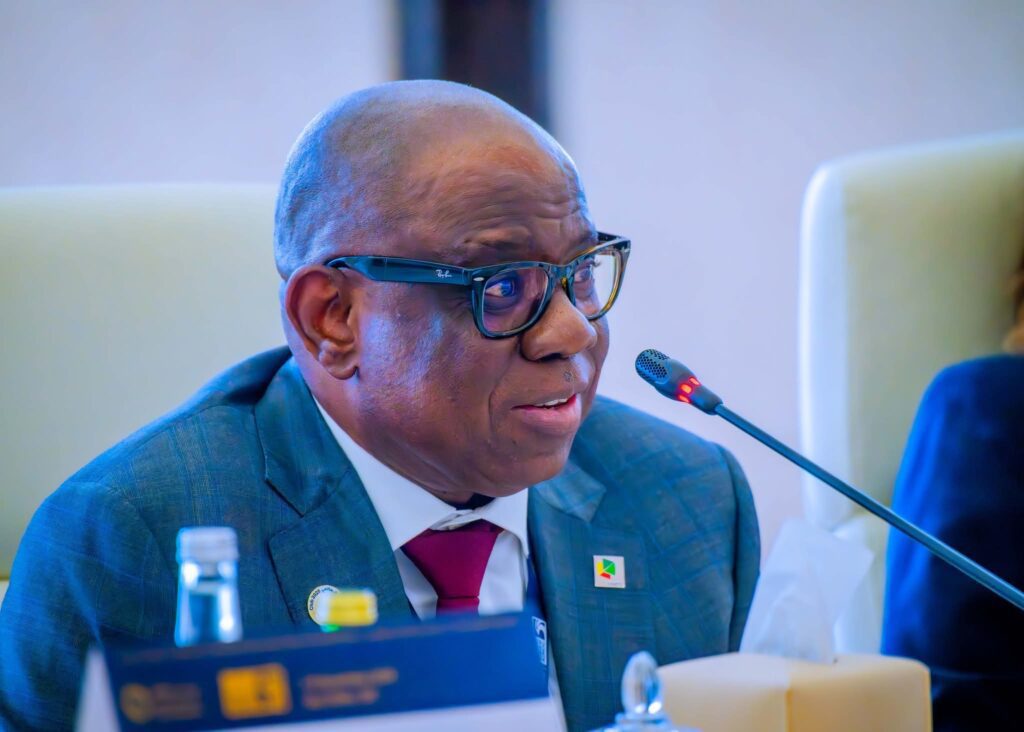
Ojulari emphasised that Africa’s energy future should not be dictated by external actors but shaped by Africans themselves, with strong local participation at every level of the value chain.
According to him, indigenous companies, professionals, and institutions must be empowered to take leading roles in exploration, production, processing, and infrastructure development.
He argued that building domestic capacity is essential not only for economic resilience but also for ensuring that Africa captures greater value from its vast natural gas resources.
This approach, he said, would enable countries to move beyond raw commodity exports towards industrialisation anchored in local processing and manufacturing.
NNPC’s strategic alignment with SAIPEC, Ojulari noted, reflects its broader vision of repositioning Africa from a passive participant in global energy discussions to a credible leader with solutions tailored to its own development realities.
SAIPEC Shaping Africa’s Energy Discourse
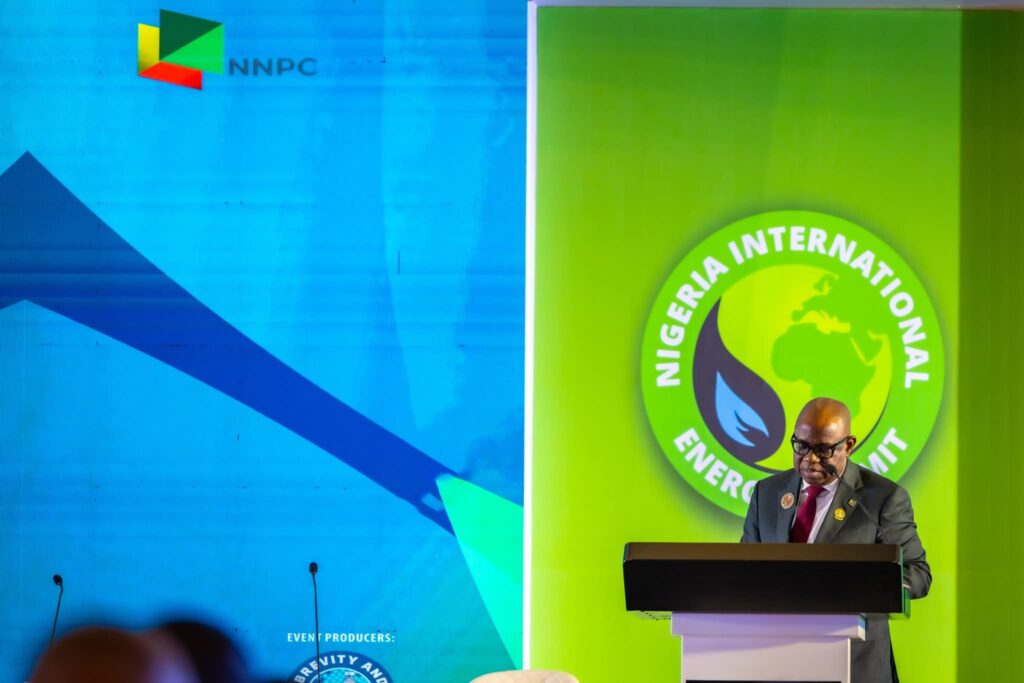
Commending the organisers of SAIPEC, Ojulari described the conference’s growth over the past decade as a testament to Africa’s rising influence in global energy conversations.
He observed that within ten years, SAIPEC has evolved into one of the continent’s most respected energy platforms, providing space for frank and practical discussions on gas development, investment resilience, and local content inclusion.
He added that the conference’s focus on youth development and skills transfer is particularly relevant at a time when Africa’s youthful population must be equipped to drive the next phase of the energy industry.
According to him, meaningful industrialisation will only be possible if young Africans are actively integrated into the sector as innovators, engineers, and entrepreneurs.
Adding to the discourse, Executive Secretary of the Nigerian Content Development and Monitoring Board (NCDMB), Felix Ogbe, called for stronger continental collaboration to harmonise regulatory frameworks and promote an Afro-centric approach to local content development.
He urged African energy-producing countries to leverage the Brazzaville Accord as a platform for deeper cooperation.
Ogbe noted that fragmented regulations and inconsistent policies across jurisdictions often discourage investment and limit cross-border collaboration.
By aligning regulatory standards and sharing best practices, he said African countries could create a more attractive and competitive environment for energy investment.
A key highlight of Ogbe’s remarks was the establishment of the Africa Energy Bank under the African Petroleum Producers’ Organisation, in partnership with Afreximbank. He described the initiative as a strategic milestone aimed at mobilising capital and providing affordable financing for African energy projects.
Energy Access Still Africa’s Defining Challenge
Chairman of the Petroleum Technology Association of Nigeria (PETAN), Wole Ogunsanya, placed Africa’s energy challenges within a broader socio-economic context, noting that despite the global energy transition narrative, the continent’s most urgent concerns remain access, affordability, and reliability.
He pointed out that more than 600 million Africans still lack access to electricity, a reality that continues to constrain industrial growth, healthcare delivery, and quality of life. Ogunsanya argued that addressing this deficit must remain central to Africa’s energy policies.
“For Africa, energy transition is not about abandoning hydrocarbons. It is about leveraging our resources responsibly to drive development while gradually integrating cleaner and renewable solutions.”
Wole Ogunsanya, Chairman of PETAN
Speakers at SAIPEC 2026 broadly agreed that natural gas offers Africa a pragmatic pathway to balance development needs with environmental considerations.
Gas, they noted, provides a lower-carbon alternative to other fossil fuels while supporting baseload power generation and industrial expansion.
NNPC’s renewed commitment to gas-led industrialisation, coupled with calls for regulatory alignment, financing innovation, and indigenous capacity building, reflects a growing consensus that Africa’s energy transition must be gradual, inclusive, and development-focused.
As Africa navigates a rapidly evolving global energy landscape, the discussions at SAIPEC 2026 underscored a shared resolve to ensure that gas plays a defining role in unlocking industrial growth, energy security, and economic transformation across the continent.
READ ALSO: GEPA Leads Ghana’s Trade Expansion At Fruit Logistica 2026