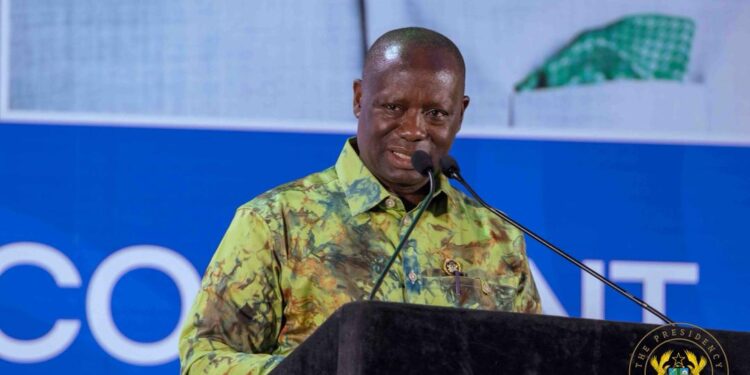
Minister for Lands and Natural Resources, Hon. Emmanuel Armah-Kofi Buah, has asserted that Ghana remains the custodian of some of the most enviable mineral endowments on the African continent, a wealth that spans over a century of extraction.
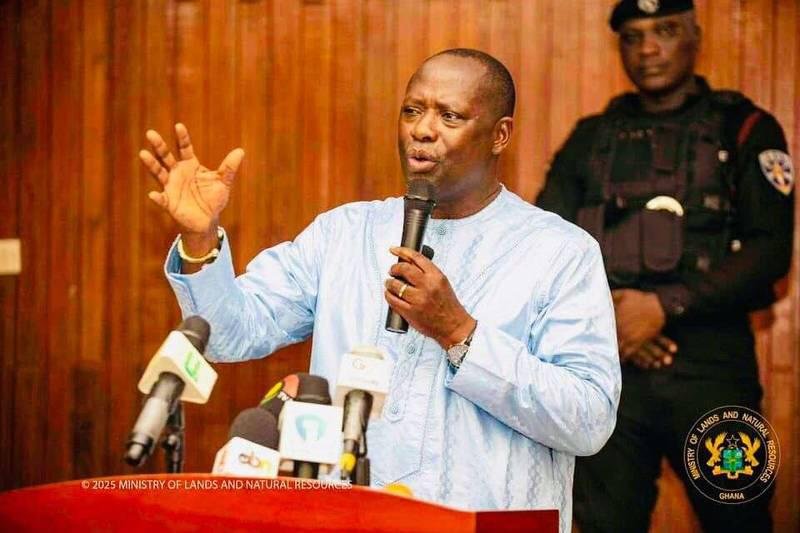
Speaking at the maiden Mining Local Content Summit 2026 in Takoradi, the Minister highlighted that while the nation has historically served as a prolific producer of gold, manganese, and bauxite, the current administration is committed to shifting the narrative from passive participation to active economic sovereignty.
He emphasized that the era of mining existing as an isolated “enclave” must end to ensure that the wealth beneath the soil directly fuels the nation’s industrialization.
“Ghana sits on some of the most enviable mineral endowments on the African continent. For over a century, we have dug deep into the earth, extracting these minerals to fund all sorts of projects, infrastructure, schools, and others.”
Hon. Emmanuel Armah-Kofi Buah
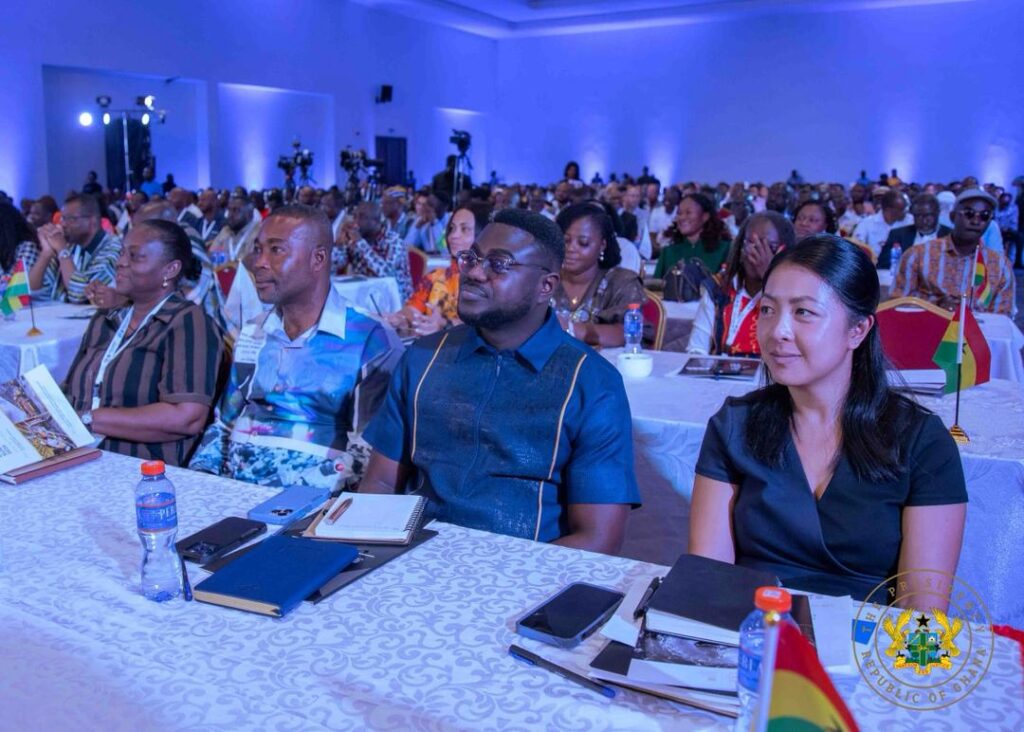
Hon. Armah-Kofi Buah drew parallels between the transformative local content reforms he spearheaded in the petroleum sector and the new direction for the mining industry.
He noted that despite a 100-year head start, the mining sector is only now adopting the aggressive local participation frameworks that the decade-old petroleum commission has successfully modeled. The Minister argued that “tough decisions must be made” to break the cycle of value flowing out of the country.
By leveraging the Mining Local Content and Local Participation Policy framework, the government intends to empower Ghanaian entrepreneurs to move from the “end of the bus” to the driver’s seat, ensuring that the next century of mining benefits the local economy through integrated supply chains and industrial partnerships.
The Economic Significance of Ghana’s Mineral Wealth
From an extractive expert’s perspective, Ghana’s “enviable endowment” is not merely a matter of pride but a massive macroeconomic engine.
As of 2025, the mining sector remains the cornerstone of Ghana’s fiscal stability, contributing approximately 8% to the national GDP and over 57% of total export earnings.
Gold alone continues to anchor the economy, with producing member companies injecting over US$5.5 billion into the Ghanaian economy through procurement, fiscal payments, and social investments.
The transition toward “economic sovereignty” means shifting these billions from simple export revenue to domestic industrial capital.
Research reveals a surge in royalty revenues, with the Minerals Income Investment Fund (MIIF) reporting a 40%increase in gold royalties and a staggering 170% jump in manganese contributions by late 2025.
This wealth provides the necessary liquidity to stabilize the Cedi and fund critical infrastructure, provided that the “enclave” model is dismantled in favor of deep-rooted local participation.
Breaking the Enclave: A Strategic Shift to Local Content
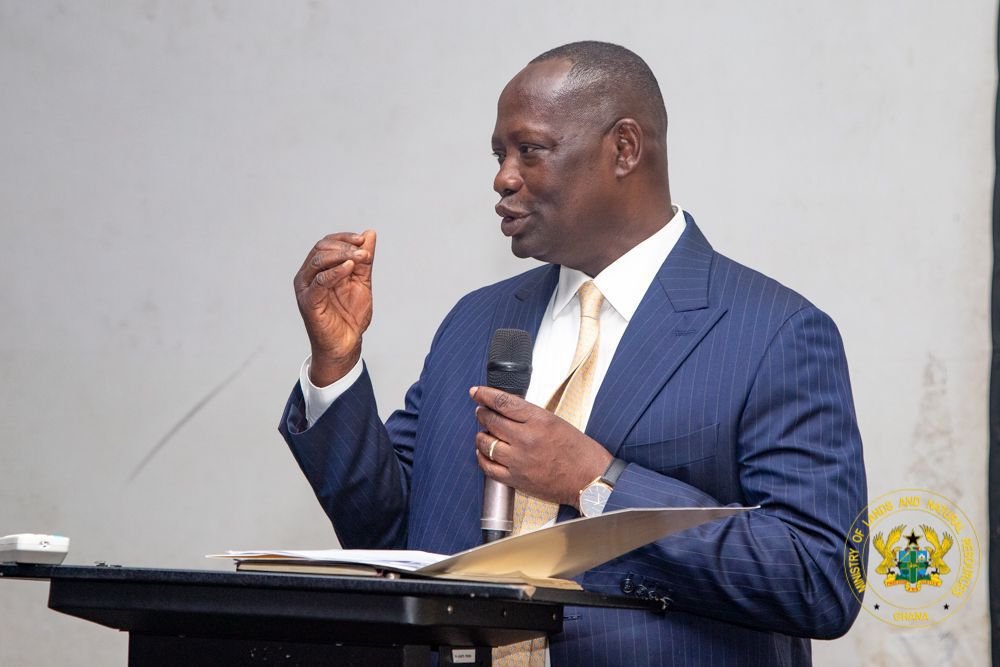
The Minister’s call to action focuses on the “uncomfortable truth” that value has historically settled elsewhere.
To rectify this, the government is cracking down on “fronting” the practice of using Ghanaians as faces for foreign interests and instead promoting genuine joint ventures. Hon. Armah-Kofi Buah cautioned local players at the summit, saying, “Do not sell your birthright for crumbs when you can own the bakery.”
This reflects a broader strategy to use the country’s mineralized zones as “growth poles” for domestic manufacturing.
By integrating modern technologies such as advanced geological modeling and automated drilling, the sector aims to improve resource estimation accuracy while maintaining a workforce that is already over 99% Ghanaian.
The goal is to evolve from being a destination for extraction to a global partner in progress, sending Ghanaian-owned extractive companies across the African continent.
Future Outlook: Industrialization and Sovereign Wealth
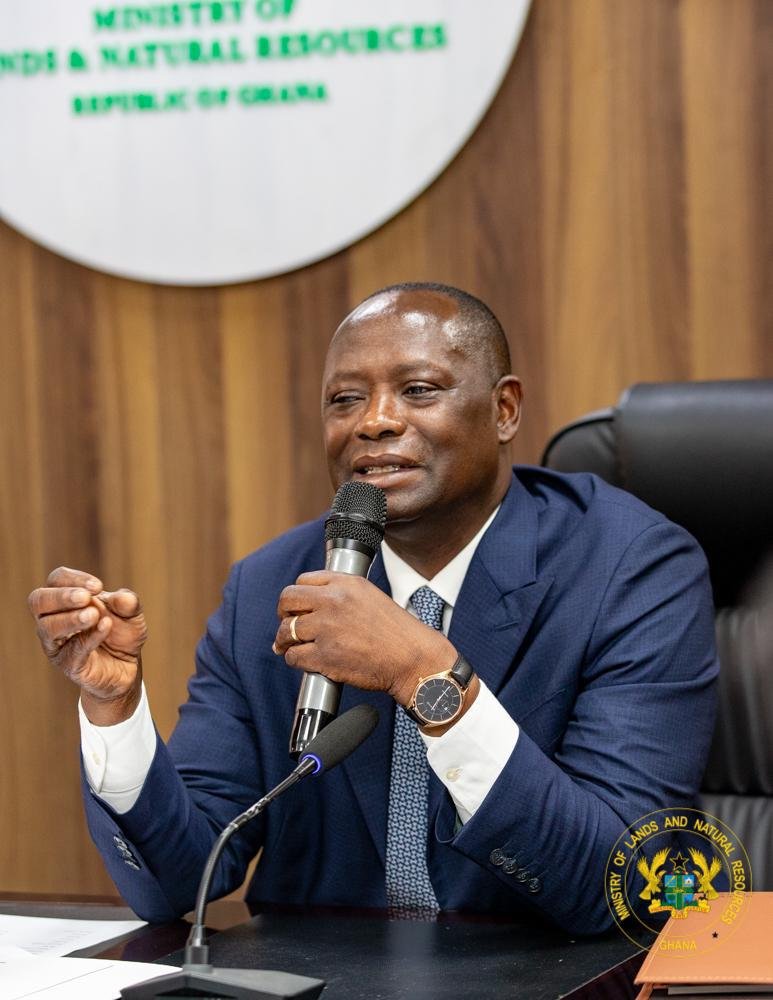
Looking ahead, the Minister’s vision for the mining sector involves a transition where the extraction of minerals like lithium, bauxite, and iron ore serves as the raw material for local refineries and factories.
The establishment of special-purpose vehicles to drive sustainable partnerships in industrialization is currently underway, signaling a move toward value addition.
“We must go forward; we must start somewhere,” the Minister noted, recalling the initial resistance to local content laws in the oil sector.
Today, that same courage is being applied to the mining industry to ensure that the “distinguished convergence of the brightest minds” leads to a future where Ghana’s minerals are not just dug out and shipped away, but are the foundation of a resilient, self-reliant African powerhouse.
READ ALSO: South Korea’s Yoon Suk Yeol Convicted Of Insurrection