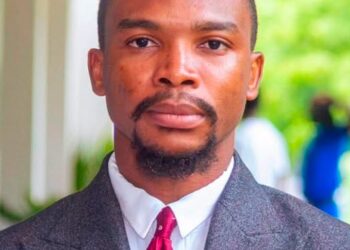
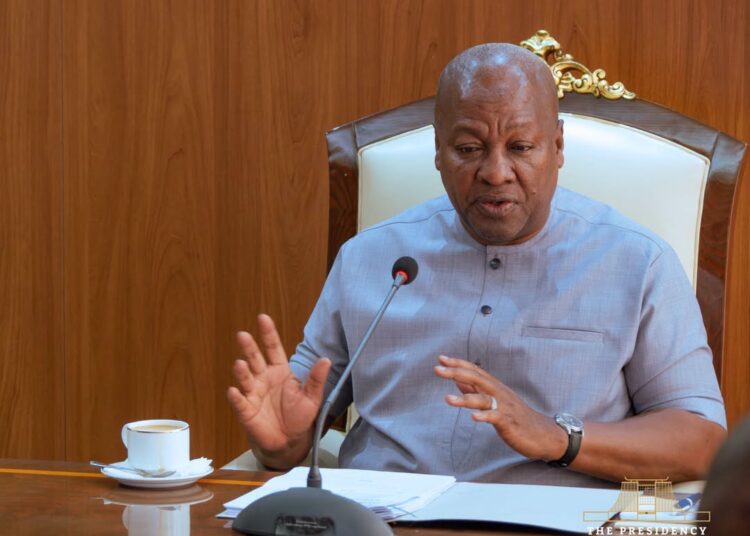
President John Dramani Mahama has approved a reorganisation of the National Security Council Secretariat, appointing former Chief of Army Staff Major General William Ayamdo as Deputy National Security Coordinator in charge of Operations and moving five other officials into new roles.
The Presidency announced the changes on Tuesday, 11 August 2026, in a statement signed by Felix Kwakye Ofosu, Spokesperson to the President and Minister for Government Communications. The reshuffle touches operations, intelligence, logistics, human security and special investigations, and it takes immediate effect.
It also moves former National Security Coordinator Yaw Donkor into a research and intelligence role at the Office of the National Security Advisor, placing one of the most experienced figures in Ghana’s security establishment on the advisory side of the architecture.
A retired general takes charge of operations
The most senior appointment goes to Major General Ayamdo, who becomes Deputy National Security Coordinator with responsibility for Operations.
Major General Ayamdo commanded the Ghana Army as Chief of Army Staff until his retirement, handing over to Vice Admiral Seth Amoama in February 2020. He served in the Ghana Armed Forces from 1980.
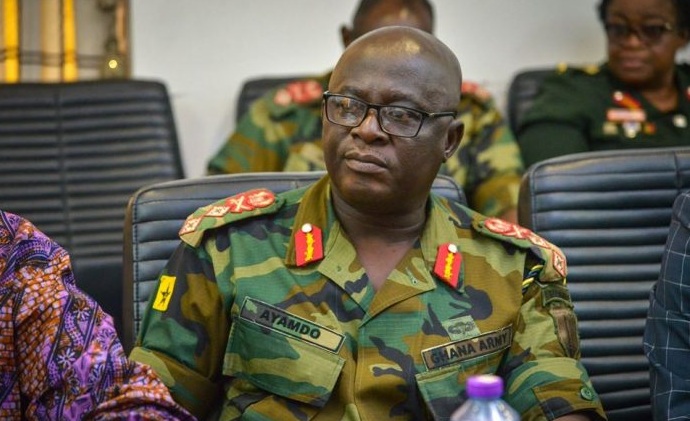
His citation on leaving office praised his execution of the 2019 Army Week celebrations and his concern for troop welfare, which produced accelerated construction of accommodation and office infrastructure including the new Army Headquarters.
Placing a career soldier over operations signals where the Secretariat expects its immediate demands to fall. The operations portfolio coordinates the deployment and tasking of state security assets, and it carries particular weight at a moment when armed groups in the Sahel press against Ghana’s northern border.
Yaw Donkor moves to intelligence and research
The statement reassigns Yaw Donkor, described as the former National Security Coordinator, as Director of Intelligence and Research at the Office of the National Security Advisor.
Donkor is among the longest-serving figures in the country’s intelligence community. He led the Bureau of National Investigations before his appointment as National Security Coordinator in 2014, succeeding Lieutenant Colonel Larry Gbevlo-Lartey, and security analysts at the time credited him with a firm grounding in the democratic principles governing intelligence gathering.
The new role attaches him to the office of National Security Advisor Prosper Douglas Kweku Bani, a former Interior Minister whom Mahama appointed in January 2025. Intelligence and research sits at the analytical end of the system, converting collected material into assessments that inform decisions taken elsewhere.
Four more appointments across the Secretariat
The reorganisation extends through several departments. Mr Adamu Saaka is appointed Director of Logistics and Transport, a portfolio covering the movement and equipping of personnel across the country.
Ms Faustina Effah-Boadi becomes Officer in Charge of the Human Security Department, which addresses threats to communities rather than to the state alone, a category spanning disasters, displacement, communal conflict and the pressures that make populations vulnerable.
DCOP Peter Ndekugri, retired, is appointed Officer in Charge of the Special Investigations Unit, bringing a senior police background to a unit that handles sensitive national security cases. The statement also reassigns ACP Alhassan Osman to the Ghana Police Service for further deployment, ending his posting at the Secretariat.
Where the changes sit in Mahama’s security structure
The appointments build on the framework President Mahama installed at the start of his term. In January 2025, he named Prosper Bani as National Security Advisor, DCOP Abdul-Osman Razak as National Security Coordinator, COP Nathan Kofi Boakye as Director of Operations at the Presidency, and Charles Kipo as Director General of the National Intelligence Bureau.
Tuesday’s statement fills out the tier below that leadership, staffing the operational, analytical, and administrative functions through which the Secretariat conducts its work. It announces no change to the four positions filled in January.

The statement runs to a single page and offers no explanation for the reorganisation, no account of what prompted it, and no outgoing occupants for the roles now filled. It also gives no reason for ACP Osman’s return to the Police Service.
Nor does it describe how the Deputy Coordinator for Operations will relate to the Director of Operations at the Presidency, two roles whose titles overlap in an architecture where lines of authority have historically attracted scrutiny.
The Secretariat’s structure has drawn public attention before, particularly over the deployment of national security operatives in policing situations and the accountability arrangements governing them. A reorganisation that clarifies who commands what would answer part of that concern, though the announcement does not attempt the explanation.
A security establishment under pressure
The changes arrive as Ghana confronts an environment shaped mainly by events beyond its borders. The Sahel accounted for nearly half of all terrorism-related deaths for the third consecutive year in 2025, and researchers have noted that armed groups from Burkina Faso often use northern Ghana to rest, refuel and evade authorities rather than as a place to attack.
Accra has responded through partnership, signing its first security pact with the European Union in March 2026 and a defence arrangement with Burkina Faso covering escort and security support.
Both commit Ghanaian forces to work that demands coordination across agencies, which is the function the National Security Council Secretariat exists to provide. Whether these appointments strengthen that coordination will show in operations rather than in announcements.
READ ALSO: GoldBod Grabs $75 Million from Commercial Banks in Financing Test