In a strategic move to merge energy infrastructure with large-scale agricultural industrialization, the Director of Presidential Initiatives in Agriculture and Agribusiness (PIAA), Dr. Peter Boamah Otokunor, has unveiled plans for a Special Agro-Economic Zone (SAEZ) within the Bui enclave.
This ambitious project, developed in partnership with the Bui Power Authority (BPA), is set to become a primary pillar of the Bui City Project and signals a shift in national development strategy, where major power generation sites are no longer viewed merely as electricity hubs, but as catalysts for comprehensive regional economic transformation.
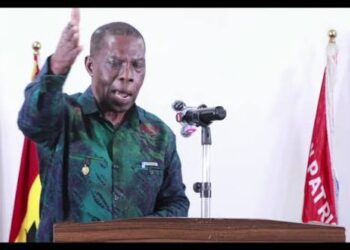
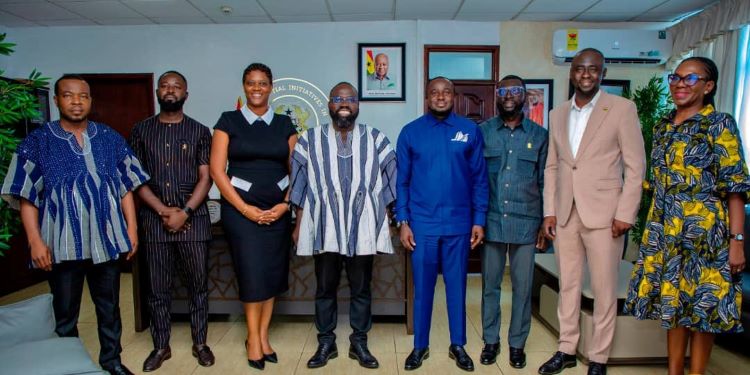
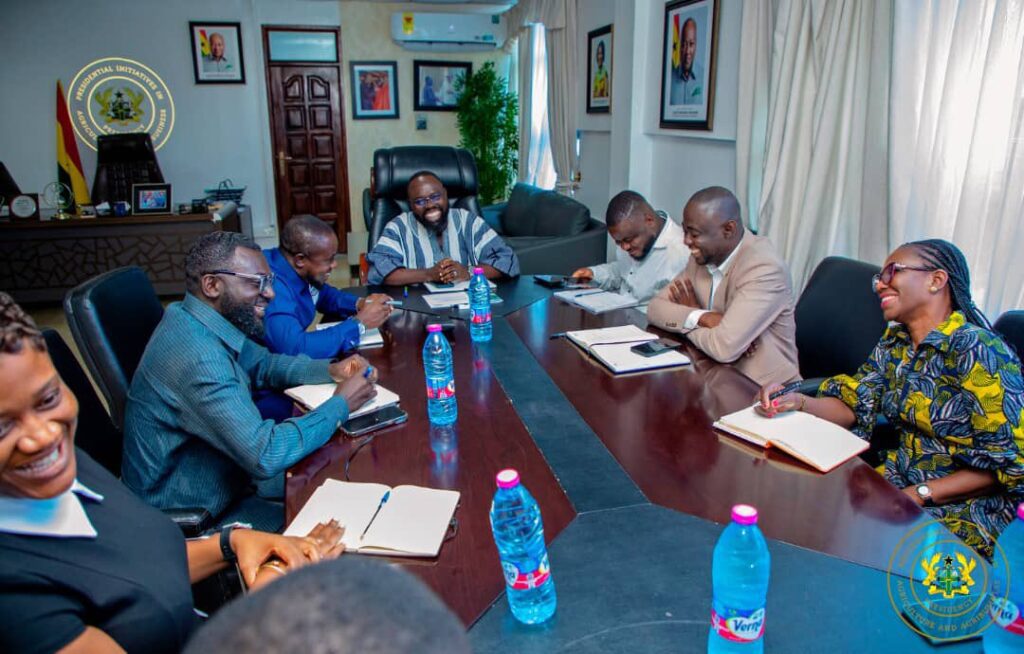
“We had a great conversation with the team from Bui Power Authority in our bid to enhance food security through the development of a Special Agro-Economic Zone under the Bui City Project. The project will open up the Bui area and its surroundings to accelerated agro-economic transformation that unlocks its enormous job creation potential for the youth in and around the area”
Dr. Peter Boamah Otokunor, Director of Presidential Initiatives in Agriculture and Agribusiness
According to Dr. Otokunor, the initiative aims to leverage the vast water resources and stable power supply of the Bui dam to create an environment where agribusiness can thrive on a 24-hour basis.
Dr. Otokunor emphasized that designating the area as a Special Agro-Economic Zone would create a high-incentive environment for local and international investors to establish processing plants, commercial farms, and cold-chain logistics hubs.

The goal is “food security through energy,” ensuring that the nation’s power assets are directly contributing to the “Feed Ghana Programme,” and the 24-Hour Economy framework. The integration of the SAEZ into the broader Bui City masterplan represents a sophisticated approach to Industrialization.
Historically, agricultural productivity in the middle belt has been hampered by inconsistent energy for irrigation and a lack of processing facilities close to the source of production.
The Bui SAEZ solves both problems simultaneously. With direct access to the BPA’s power grid, industrial-scale irrigation can be maintained around the clock, allowing for multiple harvest cycles per year. This is a critical component of the Accelerated Export Development strategy, which requires a constant and reliable supply of processed goods for the global market.
Dr. Otokunor’s engagement with the BPA team focused on how to “open up,” the area for private sector participation as the Special Agro-Economic Zone will offer streamlined regulatory approvals, tax incentives, and dedicated infrastructure for companies that align with the PIAA’s vision of a modern, mechanized agricultural sector.
This “Agro-Energy” nexus is expected to attract significant interest from the Ghana Investment Promotion Centre (GIPC), as it provides a ready-made ecosystem for investors looking for stability, resources, and government support in a single location.
Youth Employment and Food Security
A central theme of the PIAA’s mission is the creation of sustainable, high-value jobs for Ghana’s youth. The Bui SAEZ is designed to be a massive engine for employment, moving beyond traditional farm labor to include roles in food technology, logistics, mechanical engineering, and digital supply chain management.

The zone will require a multi-shift workforce, effectively tripling the number of employment opportunities compared to traditional daylight-only operations, by operating under a 24-Hour Economy model. The “Bui City” framework envisions a thriving urban-industrial hub where the youth are not just workers but stakeholders.
Dr. Otokunor pointed out that the “accelerated agro-economic transformation” will include the establishment of incubation centers within the zone which will provide training for young entrepreneurs to start their own agribusinesses, utilizing the zone’s infrastructure to process and package their products for export.
Beyond the development of the Special Agro-Economic Zone being a direct response to the global volatility in food prices and supply chains, this focus on “Agrotech” ensures that the Bui area becomes a magnet for talent, curbing rural-to-urban migration and building a decentralized middle class.
By creating a self-sustaining zone that can produce, process, and store food using renewable energy from the Bui dam, Ghana is building a “fortress of food security,” as the zone will house grain silos, vegetable processing plants, and meat processing facilities, all powered by the clean energy generated on-site.
This will also reduce the carbon footprint of the nation’s food supply while lowering the cost of production – a key objective of the Ministry of Food and Agriculture (MoFA).
The SAEZ also fits into the broader regional development goals of the government and will trigger infrastructure development in neighboring districts, including improved roads and telecommunications by transforming the Bui area and its surroundings.
This regional multiplier effect is essential for the success of Ghana’s support for rural MSMEs. As the PIAA and the Bui Power Authority move forward with the technical details of the Agro-Economic Zone, Ghana is signalling to the international community that it is innovating at the intersection of energy and industry.
The project is a physical manifestation of the “Transforming Agriculture,” mantra, where technology and infrastructure are used to liberate the sector from the limitations of the past. For Dr. Otokunor and the PIAA team, the Bui SAEZ is just the beginning of a nationwide rollout of specialized economic zones tailored to the unique strengths of each region.
READ ALSO: Liberal Democrats Call for UK-Built Nuclear Missiles