Institute of Economic Affairs (IEA) has expressed profound concern following the parliamentary ratification of the Ewoyaa Lithium mining lease, describing the 15-year agreement as a missed opportunity for national development.
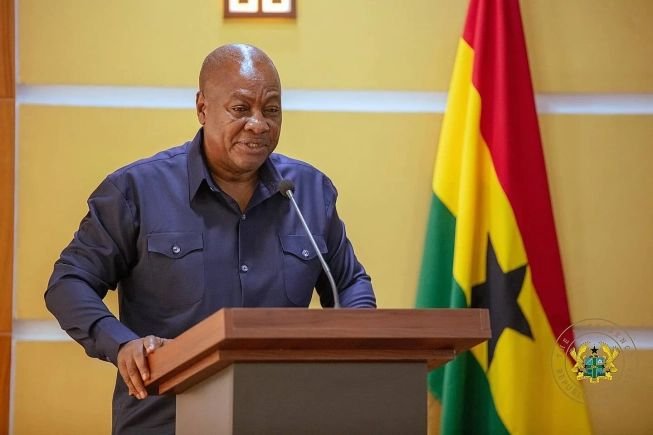
Addressing a press briefing in Accra, the Institute argued that the deal, which grants Barari DV Ghana Limited exclusive rights over 42.63 square kilometers, fails to align with the principles of economic sovereignty frequently advocated by high-ranking officials including President John Dramani Mahama.
“President John Mahama has on several occasions called for greater sovereignty over our natural resources. How exactly does a 15-year lithium lease covering an area of 42.63 square kilometers in Ewoyaa with virtually zero actual state participation, and without any clear mandates for local processing and value addition uphold the principles of greater sovereignty over natural resources?”
Institute of Economic Affairs (IEA)

The IEA’s critique centers on the lack of substantial state participation and the absence of clear mandates for local processing, which they contend will leave the nation sidelined in the global green energy transition.
This 15-year lease covering an area of 42.63 square kilometers in Ewoyaa was ratified on March 19, 2026, marking Ghana’s first formal entry into the lithium production market.
However, the IEA maintains that the current arrangement is anchored on an “outdated, colonial royalty-based paradigm” that offers virtually zero actual state participation in the core operations of the mine.
While the government has touted the 13% free-carried interest as a win, the Institute counters that without a shift toward service contracts where the state owns the resource and pays private firms for technical expertise Ghana will remain a passive recipient of marginal revenues rather than a strategic owner of its “white gold.”
“The IEA maintains that greater sovereignty over our natural and mineral resources will remain a mirage unless the state owns and controls the resource and engages private sector firms through service contracts to mine for the state. It is only then that the state can leverage its control for national industrial transformation.”
Institute of Economic Affairs (IEA)
The Illusion of Sovereignty and Resource Control

The think-tank argued that President John Mahama has on several occasions called for greater sovereignty over our natural resources, yet the Ewoyaa deal appears to contradict his vision by locking the country into a long-term lease with minimal local oversight.
By adhering to a royalty-based system, the state effectively cedes control of the extraction process and the subsequent marketing of the lithium concentrate.
The IEA points out that this lack of “actual state participation” prevents the government from dictating the pace of production or ensuring that the mineral is used to fuel domestic industrialization.
Missing the Global Paradigm Shift
Royalties are becoming a thing of the past as the new global paradigm for strategic minerals shifts toward arrangements anchored on full state ownership.
Several countries, including Chile, Botswana, and Burkina Faso, have already embraced this model to ensure their citizens capture the maximum value from their natural wealth. For instance, Chile utilizes state-owned Codelco for copper, while Botswana has increased state participation in its diamond industry to secure greater returns.
The Ewoyaa agreement, by contrast, relies on a sliding-scale royalty that caps the state’s take even when global prices soar, depriving the national treasury of potential windfall gains.
Depriving Ghana of Value Addition and Job Creation
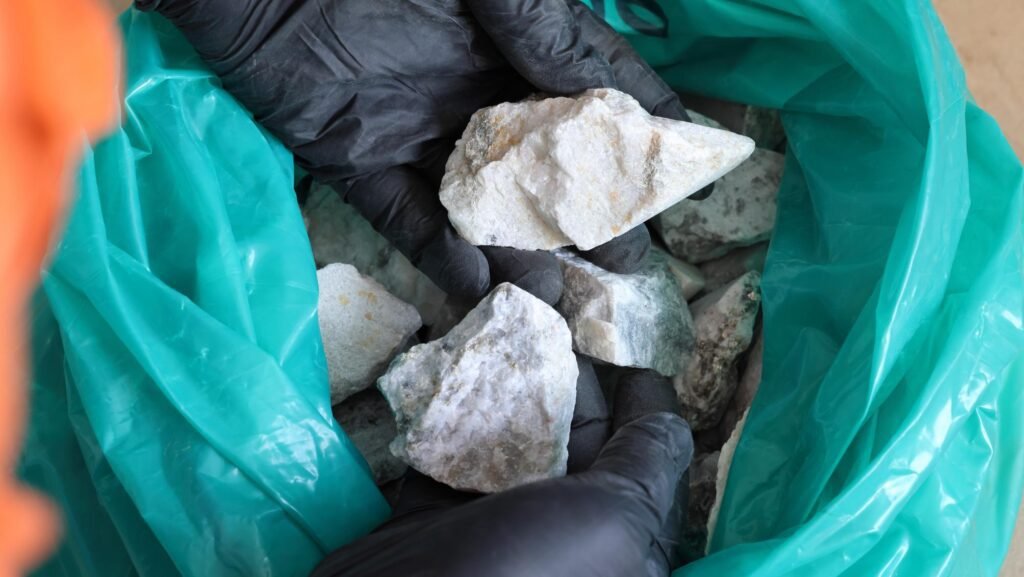
Ownership creates opportunities for value addition as criticized by the minority in parliament, increased revenues, and expanded foreign exchange inflows, yet the ratified agreement contains no binding requirement for the establishment of a domestic lithium refinery.
This structural flaw ensures that Ghana will continue to export raw spodumene concentrate, losing out on the secondary benefits of the value chain.
“Without local processing, the promises of technology transfer and community development remain largely theoretical,” the IEA warned, noting that the current deal deprives the youth of high-skilled jobs in battery manufacturing and chemical engineering.
By allowing the raw export of lithium, the nation loses the leverage needed to build a robust industrial base centered on the global electric vehicle boom.
READ ALSO: Mahama Moves Landmark Resolution, Urges UN to Declare Slavery Gravest Crime