South African health authorities have confirmed the presence of the Andes strain of hantavirus, an exceptionally rare variant known for human-to-human transmission in two passengers linked to a cruise ship that was affected by an outbreak.
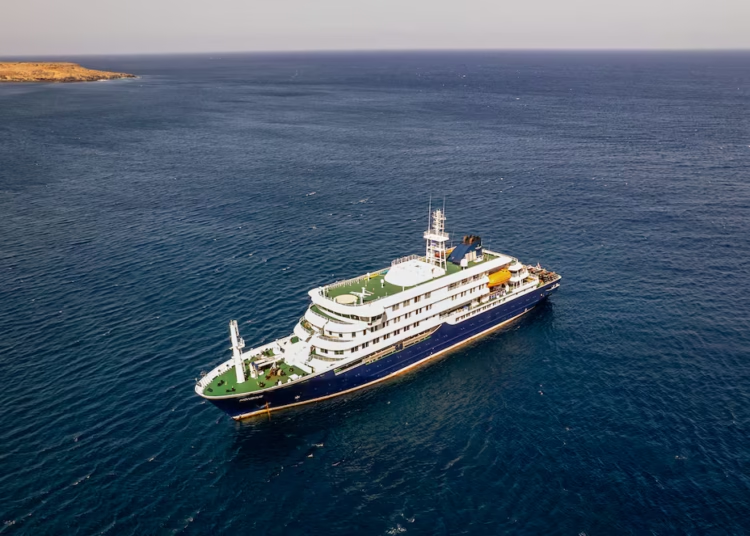
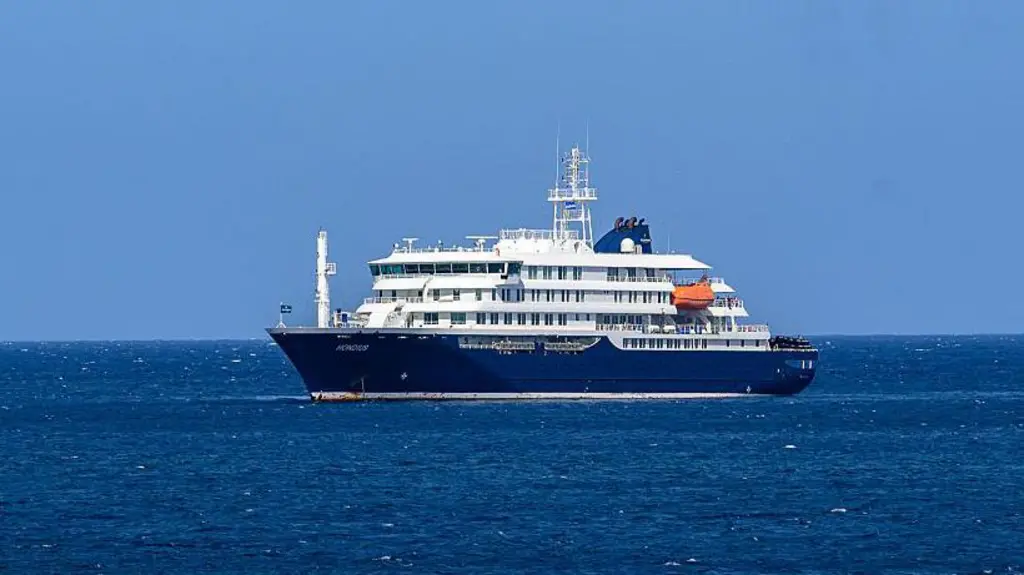
The findings, identified by South Africa’s National Institute for Communicable Diseases (NICD), relate to two individuals who became ill after travelling aboard the MV Hondius, a vessel that was preparing to continue its journey from Cape Verde towards Europe when the outbreak was detected. The ship has since been cleared by Spanish authorities to dock in the Canary Islands as investigations continue.
Laboratory testing confirmed that the Andes strain was responsible for the infection of a Dutch woman who later died in Johannesburg, as well as a British man who remains hospitalised.
“This is the only strain that is known to cause human-to-human transmission, but such transmission is very rare and, as said earlier, only happens due to very close contact.”
South Africa’s National Institute for Communicable Diseases
Both individuals reportedly developed symptoms while on board the vessel, raising concerns over potential transmission in close-contact environments.
Health officials have stressed that while the detection of the Andes strain is significant, the risk of widespread transmission remains low.
They added that, most hantavirus strains are typically spread to humans through contact with infected rodents, including exposure to urine, droppings, or saliva, rather than person-to-person contact.
This confirmation has prompted heightened monitoring and contact tracing efforts among health authorities as they assess the scope of exposure linked to the cruise ship outbreak.
Further updates are expected as investigations continue into how the infection spread among passengers and whether additional cases may emerge in the coming days.
Cruise Ship Outbreak Raises Alarm as Hantavirus Cases Linked to Multiple Deaths
Meanwhile, a suspected hantavirus outbreak aboard a cruise ship crossing the Atlantic has left three passengers dead and prompted heightened international health surveillance, as authorities work to determine the source and potential spread of the rare infection.
Two confirmed cases of the virus have been identified following the deaths of a Dutch couple and a German passenger on board the MV Hondius, operated by Oceanwide Expeditions. The Dutch woman tested positive for hantavirus, while a 69-year-old British man, also infected, was evacuated to a hospital in Johannesburg, South Africa, where he remains in critical condition.
The vessel, which departed Argentina roughly a month ago and has travelled more than 6,000 miles, is currently anchored near Cape Verde after local authorities denied passengers permission to disembark over safety concerns. Around 149 passengers from 23 countries remain on board under strict precautionary measures, including isolation protocols and enhanced hygiene controls.
Concerns have deepened as two crew members, one British and one Dutch, along with a close contact of the deceased German passenger, developed respiratory symptoms and are now awaiting medical evacuation, although their cases have yet to be confirmed.
World Health Organisation (WHO) is working closely with international health officials to assess whether the ship can safely continue its journey to the Canary Islands, where a comprehensive risk evaluation and further medical screening could be conducted.
Dr Maria van Kerkhove, WHO’s Director of Epidemic and Pandemic Preparedness, said a “proper risk assessment” would be carried out before any disembarkation is permitted.
Although the overall risk of transmission remains low, van Kerkhove noted that some spread may have occurred among individuals in proximity, particularly those sharing cabins. She explained, “Our working hypothesis is that there’s probably a couple of different types of transmission that might be happening.”
She added that the initial exposure may have originated from rodents either before departure from Ushuaia or during stops at various islands along the voyage.
South Africa’s Health Minister, Dr Aaron Motsoaledi, has also confirmed that the British patient is receiving intensive care, stressing that there is no specific treatment for hantavirus and that care is primarily supportive. Health authorities have since launched contact tracing efforts involving medical staff and anyone who may have been exposed.
Governments, including the United Kingdom, are also coordinating support for affected nationals, while global health agencies continue to monitor the situation closely.
Despite the seriousness of the cases, WHO officials have emphasised that hantavirus infections remain rare and are not easily transmitted between people. “While severe in some cases, it is not easily transmitted between people. The risk to the wider public remains low. There is no need for panic or travel restrictions,” said Dr Hans Henri P. Kluge, WHO Regional Director for Europe.
READ ALSO : Health Expert Warns Ghana Faces Disease Outbreaks Over Low Vaccine Coverage