The Minister for Fisheries and Aquaculture Development, Hon. Emelia Arthur, has announced the immediate commencement of a modern fish market in Dambai to anchor a massive industrial overhaul of the Oti Region’s inland water economy.
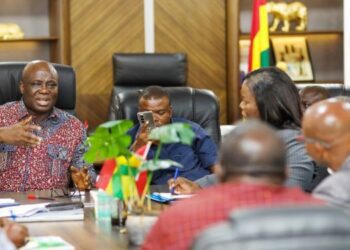
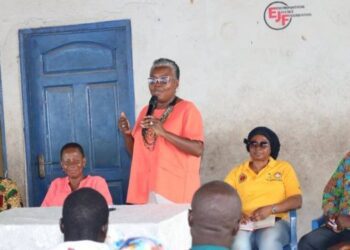
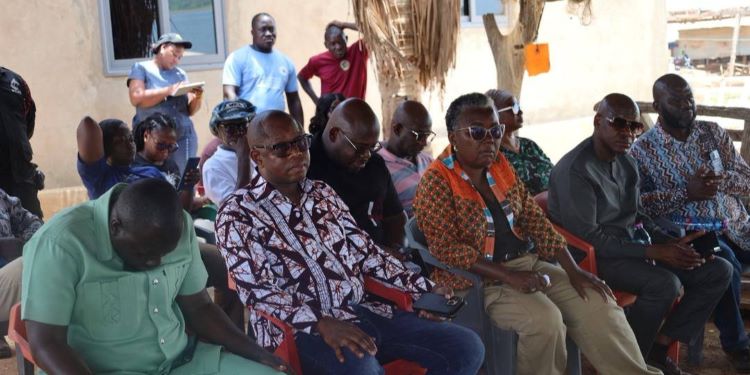
During a high-impact working visit to the Krachi West District as part of her nationwide inland fisheries tour, Hon. Arthur declared that construction will begin within the next two months, adding that the project will solve the critical failures in fish handling, storage, and hygiene that have suppressed the commercial potential of the Volta Lake.
According to the Minister, establishing a modern trading hub in Dambai will professionalize the sector and ensure that the Oti Region becomes a primary engine in the government’s drive to bridge the national fish production gap.
“Following discussions with inland fishers and fish processors, the Minister and her team visited the proposed site earmarked for construction of the fish market, a project expected to improve fish handling, storage, hygiene, and trading activities in the area”
Ministry of Fisheries and Aquaculture Development
The timing of this intervention is critical, as Ghana currently faces a staggering annual fish production deficit of approximately 600,000 metric tons, with total demand estimated at 1.2 million metric tons. The deficit is a significant threat to national food security and a drain on foreign exchange reserves used for imports.



Hon. Arthur’s tour is effectively a “diagnostic mission” to deploy the new Inland Fisheries Management Plan, a regulatory roadmap intended to double domestic output. Engaging directly with inland fishers and processors is geared towards transitioning from top-down directives to a collaborative model where infrastructure development is paired with strict regulatory compliance.
The proposed Dambai fish market will serve as a biological and economic gateway for the region.

Currently, post-harvest losses in inland fisheries remain unacceptably high due to substandard storage and primitive trading conditions. The new facility will integrate modern cold-chain technology and hygienic processing zones, ensuring that fish harvested from the lake maintains its value until it reaches the final consumer.
For the Minister, the Dambai project is the blueprint for how inland fishing hubs should operate. It moves the industry away from the informal, unorganized trading of the past and toward a structured, industrial marketplace where quality standards are non-negotiable.
This infrastructure is the first logic gate in the Ministry of Fisheries and Aquaculture Development’s (MoFAD) plan. If the storage and handling facilities are modernized, then the economic value of every kilogram of fish caught increases. This increase in value provides the necessary capital for fishers to reinvest in better equipment, creating a virtuous cycle of growth.
During her tour, Hon. Arthur emphasized that the government is looking for more than just a building; it is looking for a shift in the industrial culture of the Oti Region’s fishing communities.
Premix Fuel and Welfare
The Minister also addressed the persistent governance challenges surrounding premix fuel, a critical input that has often been the subject of supply-chain volatility and mismanagement. In a move to enforce transparency,
Hon. Arthur detailed the legal provisions governing the Premix Fuel Committees, including a strict adherence to the law, which mandates that 53 percent of all proceeds generated from the sale of premix fuel must be channeled back into community development projects.
This is essentially a social contract where the fuel that powers the boats also powers the development of schools, clinics, and roads in the fishing villages. The Minister clarified these percentages and the composition of the committees to eliminate the “middleman” corruption that continues to plague fuel distribution.
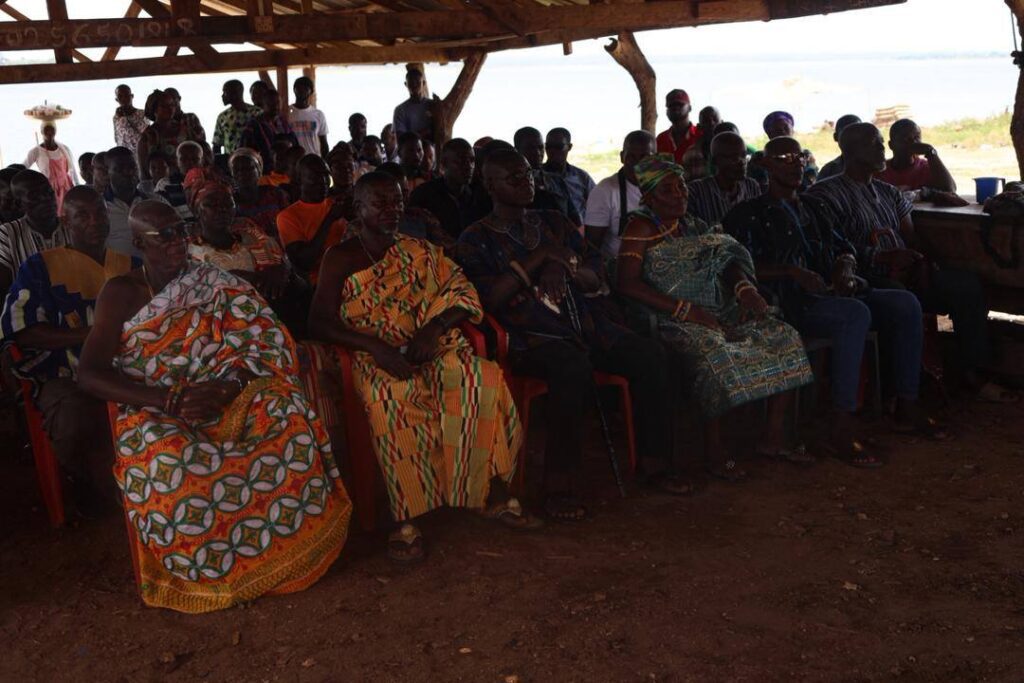
The goal is to ensure that the subsidy provided by the government reaches the intended beneficiaries and that the profits from the retail side are visible and accountable to the local population. This level of granular oversight is part of the broader ministerial effort to treat fisheries as a formal industrial sector rather than a neglected rural activity.
Perhaps the most provocative shift in the Minister’s agenda was the push for the comprehensive licensing of all fishing canoes. While often viewed with skepticism by traditional fishers, the licensing mandate is the Ministry’s primary tool for resource management and data-driven policy.
Without an accurate registry of every vessel on the lake, the government cannot effectively combat overfishing or manage the 600,000-metric-ton production deficit. Licensing turns an informal activity into a regulated profession, allowing the state to monitor fishing pressure and ensure the long-term sustainability of the Volta Lake’s ecosystem.
“Hon. Emelia Arthur additionally emphasized the importance of licensing all fishing canoes as part of efforts to improve regulation, accountability, and sustainability within Ghana’s fisheries sector”
Ministry of Fisheries and Aquaculture Development
To incentivize this transition, the Ministry is linking regulatory compliance to welfare benefits. Hon. Emelia Arthur announced plans to introduce pension and insurance schemes specifically tailored for fisherfolk. This is a revolutionary step in the Ghanaian context, providing a safety net for a workforce that has traditionally been excluded from formal social security.
This professionalization is further supported by the provision of subsidized outboard motors, which beneficiaries can pay for through flexible installment arrangements, lowering the barrier to entry for modern, efficient fishing technology.
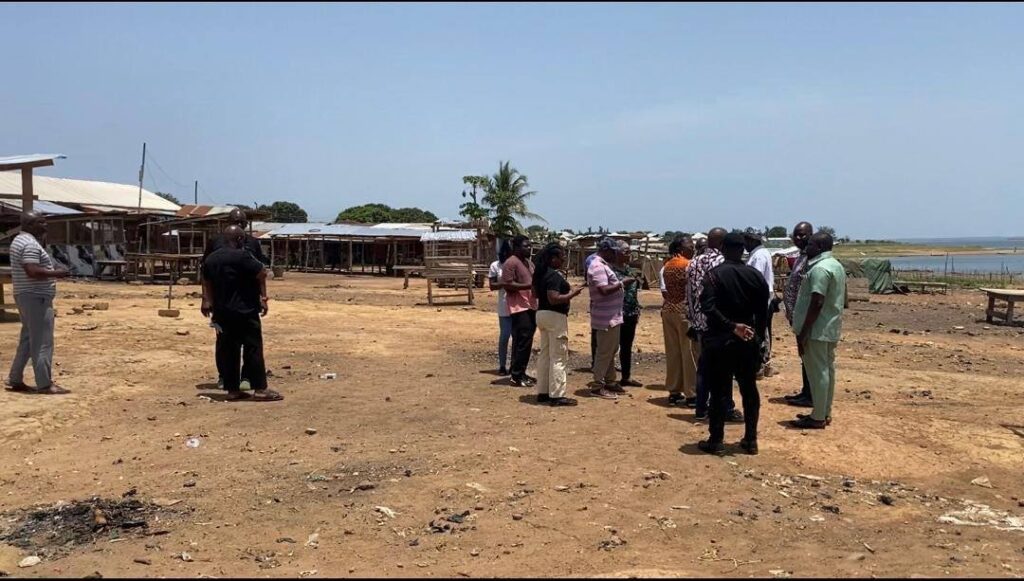
The overarching objective of the Oti Region tour and the Dambai project was the total elimination of the national fish production deficit. The 600,000-metric-ton shortfall is not just a challenge; it is a massive market opportunity for domestic producers, and the Inland Fisheries Management Plan is the vehicle for capturing this market.
The Minister’s visit to Krachi West underscored the government’s recognition that the inland fisheries sector is critical for nutrition and economic growth across all 16 regions. As the Dambai market project breaks ground in the coming weeks, the industry will be watching closely, as it represents the physical manifestation of a new era in Ghanaian fisheries management.
READ ALSO: Energy Minister Announces New Command Center to Tackle Power Challenges