
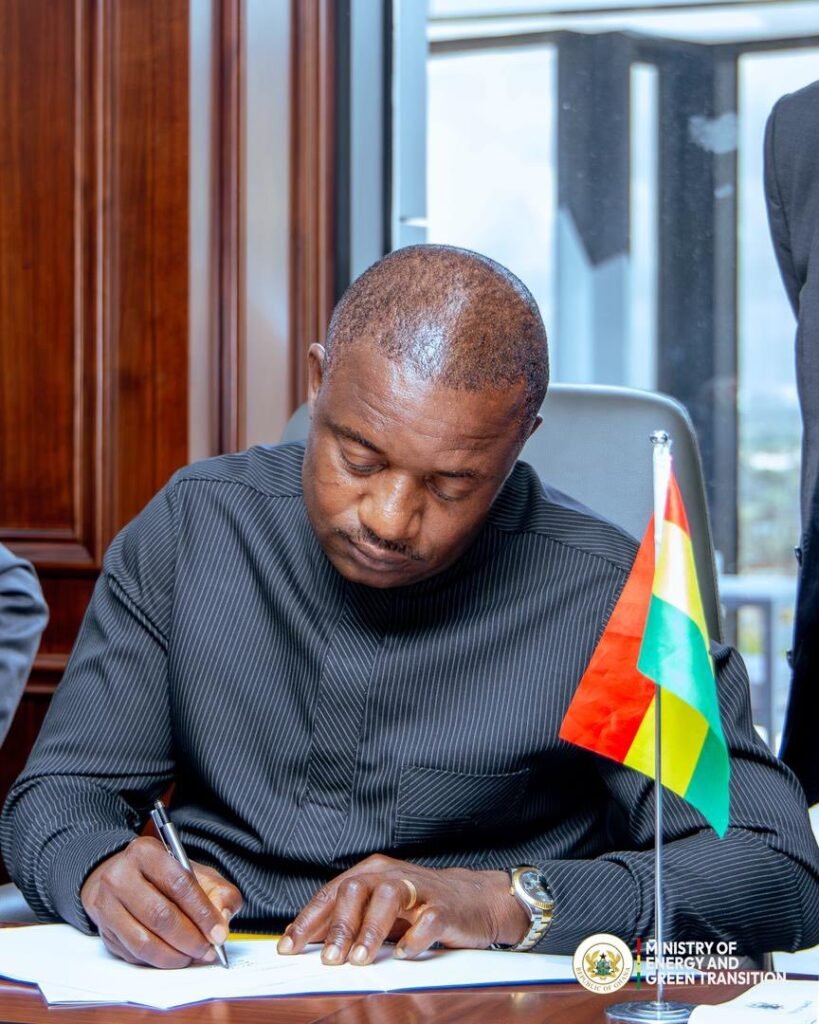
Minister for Energy and Green Transition, John Abdulai Jinapor, has announced the establishment of a command-and-control centre designed to streamline communication and drastically improve the national response to power-related emergencies.
This strategic initiative, spearheaded by the Ministry of Energy in close collaboration with the Energy Commission and the Public Utilities Regulatory Commission (PURC), seeks to bridge the gap between utility providers and consumers.
By centralizing the monitoring of the national grid and localized distribution networks, the Ministry aims to create a more transparent and accountable framework for managing the country’s electricity needs.
“In the age of modern technology, you can also use technology to monitor. So we are setting up a full command and control centre under the auspices of the Ministry of Energy, that of Energy Commission and the PURC. We’ve already set it up, we are just operationalising it.”
Minister for Energy and Green Transition, John Abdulai Jinapor
The initiative represents a shift toward a data-driven approach in Ghana’s energy sector, moving away from reactive maintenance to a more proactive, technologically integrated management system.
Beyond merely tracking outages, the command centre will serve as a comprehensive database for the country’s energy infrastructure, specifically logging the installation and location of transformers to prevent theft and mismanagement.
To ensure the success of this system, district managers across the country will be equipped with dedicated mobile devices linked directly to the hub, facilitating real-time updates and ensuring that “the first question” asked during a blackout—the response time—is addressed with modern efficiency.
Technological Integration and Revenue Protection
A primary driver behind the Minister’s push for this digital transformation is the economic impact of prolonged power outages. John Abdulai Jinapor highlighted that every hour of non-supply constitutes a direct loss of revenue for the state and utility companies.
He argued that inefficient response times, where citizens are left without power for days despite reporting faults, are no longer acceptable in a modern economy.
By utilizing a multi-channel communication strategy incorporating a dedicated short code, WhatsApp, Facebook, and email the Ministry intends to bypass the bureaucratic bottlenecks that have historically plagued district offices.
This new system is designed to hold district managers accountable through a direct link to the central command.
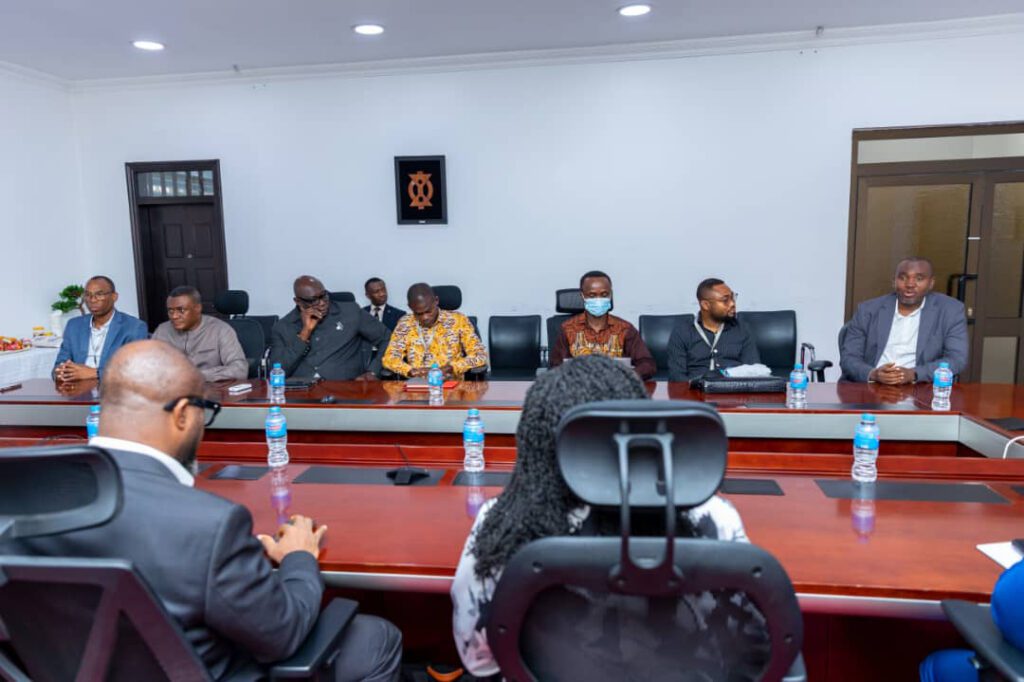
The Minister emphasized that providing “brand new phones” and “dedicated numbers” to every district manager is not just a logistical upgrade, but a requirement for a system that demands immediate feedback. When a transformer develops a fault, the system will track how long it takes for a team to be dispatched.
Hon. Jinapor noted that even in “the most advanced countries,” technical problems occur; however, the difference lies in the speed of the intervention.
The command centre will ensure that the “passion that a government receives” due to public inconvenience is mitigated by visible, rapid results.
Enhancing Response Times through Real-Time Surveillance
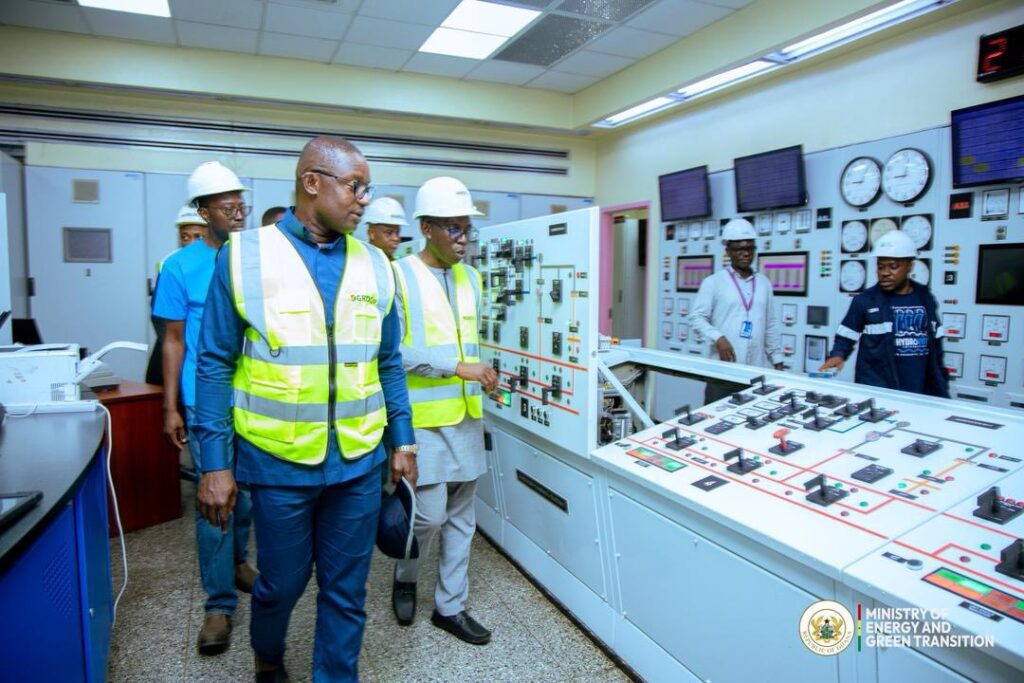
In terms of enhancing Ghana’s power outage response, the command-and-control centre functions as a “digital nervous system” for the grid.
Through thorough integration, the centre will allow the Ministry to monitor the health of transformers in real-time. Previously, utility providers often relied on manual reports from frustrated consumers to identify localized faults.
The new infrastructure changes this dynamic by logging every transformer installation into a public-facing system.
This transparency is intended to curb “accusations of so-called transformers getting missing” by providing a verifiable digital trail of assets.
A New Era of Accountability in Energy Management
The transition to a centralized command structure marks a significant milestone in Ghana’s “green transition” and energy stability goals.
By integrating the PURC and the Energy Commission into a single monitoring loop, the government is creating a checks-and-balances system that ensures utility providers meet their service-level agreements.
Minister Jinapor’s vision is centered on the idea that “general management” of the power sector must be as sophisticated as the technology used to generate the power itself.
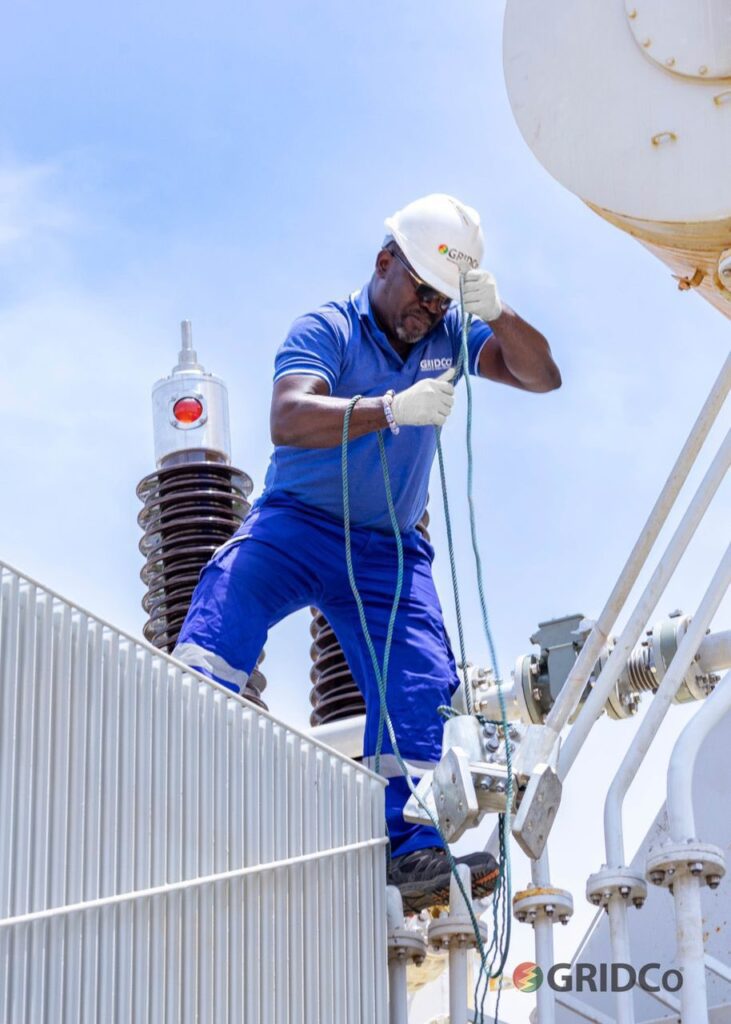
The focus is no longer just on generation, but on the meticulous “tracking of transformers one after the other” to ensure every community remains connected.
Ultimately, the operationalization of this centre is a move to professionalize the interface between the state and the consumer.
The Minister’s insistence that “inconvenience” and “loss of revenue” are the twin enemies of the energy sector suggests a business-like approach to public utility management.
While the Ministry rolls out the short codes and social media links, the expectation is that the days of unanswered calls to district offices will be replaced by a streamlined, digital-first response.
READ ALSO: Ofosu-Adjare Weaponizes Trade Surplus For Industrial Growth