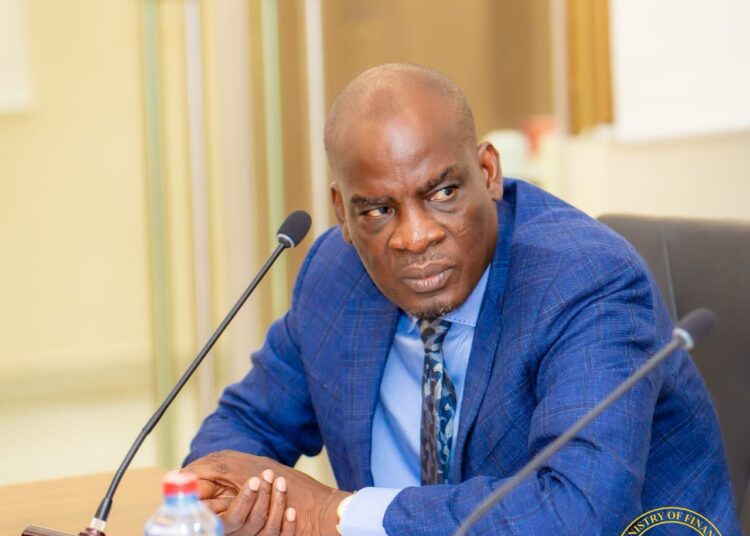
The Ministry of Education has announced the formation of a special committee to address growing concerns over rising hostel fees across tertiary institutions in Ghana, as the government signals a stronger intervention in the pricing of student accommodation.
The announcement was made by Hon. Haruna Iddrisu during the inauguration of governing councils for Jasikan College of Education and University of Engineering and Agricultural Sciences, where he addressed mounting public concern over recent adjustments in hostel charges across several campuses.
Speaking at the event, Hon. Iddrisu acknowledged that the issue of hostel fee increases has become a major source of anxiety for students, parents, and educational stakeholders, particularly at a time when many households continue to navigate economic pressures and rising living costs.
According to the Minister, the government has taken note of the widespread concerns and is now moving to ensure that access to accommodation within public universities does not become an unfair financial burden on students. “We are also aware publicly that there have been concerns about adjustment to hostel fees,” Hon. Iddrisu said.
He disclosed that the newly formed committee will work closely with the Ghana Tertiary Education Commission, vice chancellors of public universities, and officials from the Ministry of Education to review the current pricing framework and engage in wider consultations aimed at finding what he described as an amicable solution.

According to him, the committee will examine the factors driving hostel price increases, assess the role of private sector participation in student accommodation, and recommend measures that protect students while ensuring the sustainability of investments in tertiary education infrastructure.
Government Rejects Unrestricted Market Forces
In one of his strongest policy statements on higher education financing, Hon. Iddrisu made it clear that the government will not allow student accommodation to be governed solely by market forces or unrestricted private sector interests.
He stressed that while public private partnerships remain an important tool for infrastructure expansion, government cannot stand by while pricing decisions in essential services are dictated entirely by profit considerations.
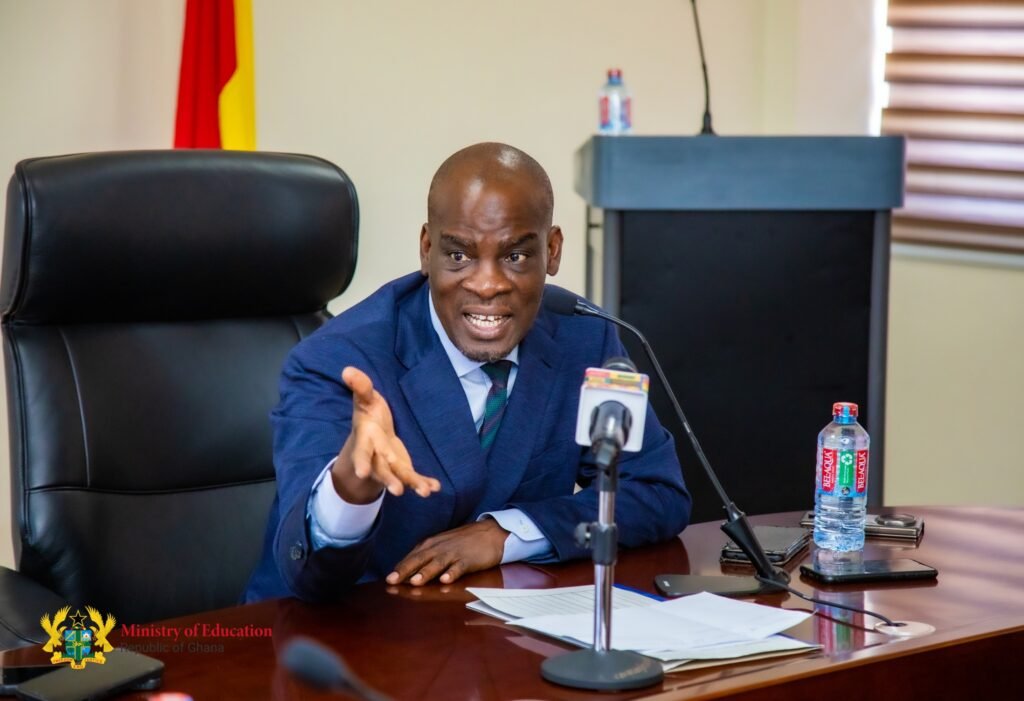
“Government will simply not run on the principles of private partnership, and therefore, unlimited laissez-faire guidance will dictate the pace. We will be social, and we will reflect social values and social concerns in the delivery of that public good.”
Minister for Education Hon. Haruna Iddrisu
The remarks are expected to resonate strongly with student unions, parent associations, and civil society groups that have repeatedly raised concerns about the increasing dominance of private hostel operators around major university campuses.
In recent years, accommodation costs in some university communities have become a major financial challenge for students, with many forced to compete for limited affordable spaces or settle for high priced private facilities.
The Minister’s comments signal a potential policy shift toward stronger regulation of hostel pricing and a more active state role in student welfare.
Infrastructure Development at New University
Beyond the issue of accommodation pricing, Hon. Haruna Iddrisu also used the occasion to provide updates on ongoing infrastructure development at the University of Engineering and Agricultural Sciences.
Following what he described as a recent inspection with the chairman of the institution, the Minister announced that contractors working on the university’s core infrastructure project have been directed to complete all outstanding works by May 31, 2026.
He expressed optimism that the project would soon position the institution as a major centre for science, engineering, and agricultural education.
According to Hon. Iddrisu, the infrastructure under construction includes a central administration block, a School of Agriculture complex, a School of Engineering block, an exhibition and innovation centre, a modern library, an assembly hall, a cafeteria, and accommodation facilities.
The project also includes residential units for professors, senior administrative staff, and separate hostel accommodation for male and female students. In addition, modern educational equipment and information and communication technology infrastructure are being installed to support teaching, research, and innovation.
The Minister noted that the university’s initial academic focus will centre on engineering and agriculture, two sectors he described as critical to Ghana’s long term economic transformation, industrial growth, and food security.
Balancing Access, Affordability, and Quality
Hon. Haruna Iddrisu’s announcement comes at a time when the cost of tertiary education is becoming a growing policy concern in Ghana, with rising accommodation charges, infrastructure deficits, and increasing demand placing pressure on students and institutions alike.
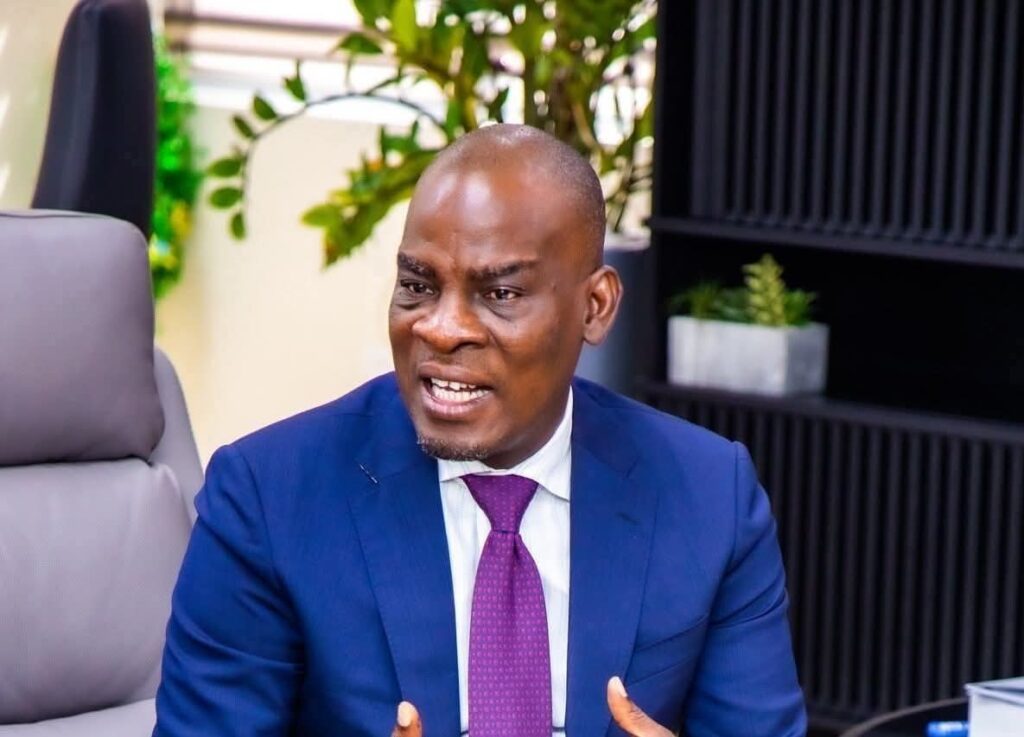
The decision to establish a dedicated committee could mark the beginning of broader reforms aimed at balancing private investment with affordability and public accountability.
For many students preparing for the next academic year, the move offers renewed hope that accommodation costs will receive urgent policy attention.
As consultations begin between government, university leaders, regulators, and key stakeholders, attention will now turn to whether the committee can deliver practical recommendations that ease financial pressure on students while sustaining investment in Ghana’s expanding higher education sector.
READ ALSO: NPA Targets Two Refineries, Eight Depots for 24-Hour Operations