• About
  • Advertise
  • Privacy Policy
  • Contact
Friday, May 15, 2026
  • Login
The Vaultz News
  • Top Stories
  • News
    • General News
    • Education
    • Health
    • Opinions
  • Economics
    • Economy
    • Finance
      • Banking
      • Insurance
      • Pension
    • Securities/Markets
  • Business
    • Agribusiness
    • Vaultz Business
    • Extractives/Energy
    • Real Estate
  • World
    • Africa
    • America
    • Europe
    • UK
    • USA
    • Asia
    • Around the Globe
  • Innovation
    • Technology
    • Wheels
  • Entertainment
  • 20MOBPL2DNew
  • Jobs & Scholarships
    • Job Vacancies
    • Scholarships
No Result
View All Result
The Vaultz News
  • Top Stories
  • News
    • General News
    • Education
    • Health
    • Opinions
  • Economics
    • Economy
    • Finance
      • Banking
      • Insurance
      • Pension
    • Securities/Markets
  • Business
    • Agribusiness
    • Vaultz Business
    • Extractives/Energy
    • Real Estate
  • World
    • Africa
    • America
    • Europe
    • UK
    • USA
    • Asia
    • Around the Globe
  • Innovation
    • Technology
    • Wheels
  • Entertainment
  • 20MOBPL2DNew
  • Jobs & Scholarships
    • Job Vacancies
    • Scholarships
No Result
View All Result
The Vaultz News
No Result
View All Result
in Entertainment

Quamina MP and Fameye Release New Single “Sunshine”

Nana Adwoa Nhyira Bonsuby Nana Adwoa Nhyira Bonsu
May 15, 2026
Reading Time: 4 mins read
Quamina MP,  Musician and record producer

Quamina MP, Musician and record producer

As the first single of the year from one of Ghana’s consistent hitmakers, Quamina MP has teamed up with soulful rapper and vocalist Fameye to deliver “Sunshine,” a feel-good anthem that is already resonating with fans across streaming platforms and social media.

The track, released today, blends smooth Afrobeat rhythms with highlife-inspired melodies, creating an infectious, positive vibe perfect for the season.

From its warm instrumentals and calming production to the catchy chorus, “Sunshine” embodies themes of hope, appreciation, love, and resilience reminding listeners that after every dark moment comes light.

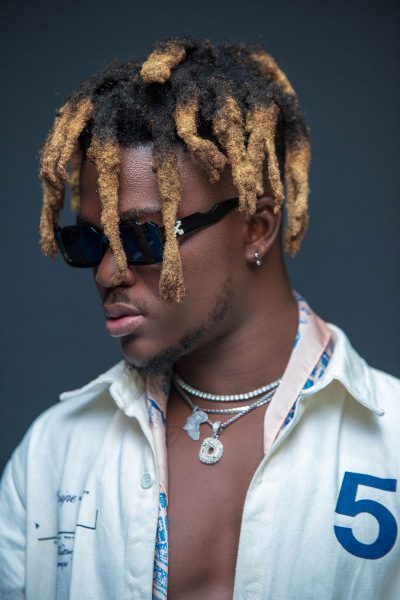
Quamina MP, born Emmanuel Kwamina Amonoo on September 11, 1993, hails from Mankessim in Ghana’s Central Region. He attended St. Mary’s Senior High School and briefly studied at Ghana Communication Technology University before pursuing music full-time.

ADVERTISEMENT

Known for his versatility as both an artist and record producer, Quamina MP rose to prominence with tracks like “Wiase Y3 D3” and has built a solid catalog blending hip-hop, hiplife, and Afrobeat. His 2025 project Love In The Club further cemented his place as a go-to collaborator and solo force in Ghanaian music.
248374 CgvA0pTALcsYsXTGrBdzb19An8PL b
Quamina MP, Musician and record producer

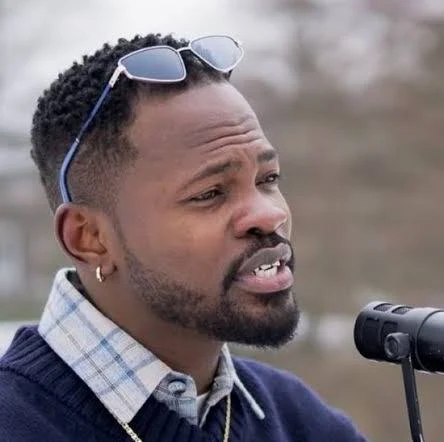
Fameye (Peter Famiyeh Bozah), born on the same day September 11, 1994 in Bogoso, Western Region, brings his signature heartfelt storytelling and emotional delivery to the collaboration.

Fameye gained massive traction with hits like “Nothing I Get” (and its star-studded remix) and has earned recognition as one of Ghana’s compelling voices in hiplife and Afrobeats. His music often draws from personal experiences, including early life challenges, giving his verses raw authenticity.
images 31
Fameye,Musician

The pairing of Quamina MP’s laid-back melodic flows and Fameye’s soulful, reflective style creates natural chemistry on “Sunshine.” As Quamina MP teased in pre-release posts: “Every darkness in your life will receive sunshine soon.”

The message struck a chord even before the official drop, with fans sharing pre-save links and motivational captions.

Production on “Sunshine” is described as vibrant yet soothing, with smooth instrumentals that invite listeners to relax, dance, or reflect.

Lyrically, the song celebrates choosing happiness, moving forward from hardship, and appreciating those who bring light into one’s life. It balances feel-good energy with deeper undertones of perseverance- hallmarks of both artists’ catalogs.
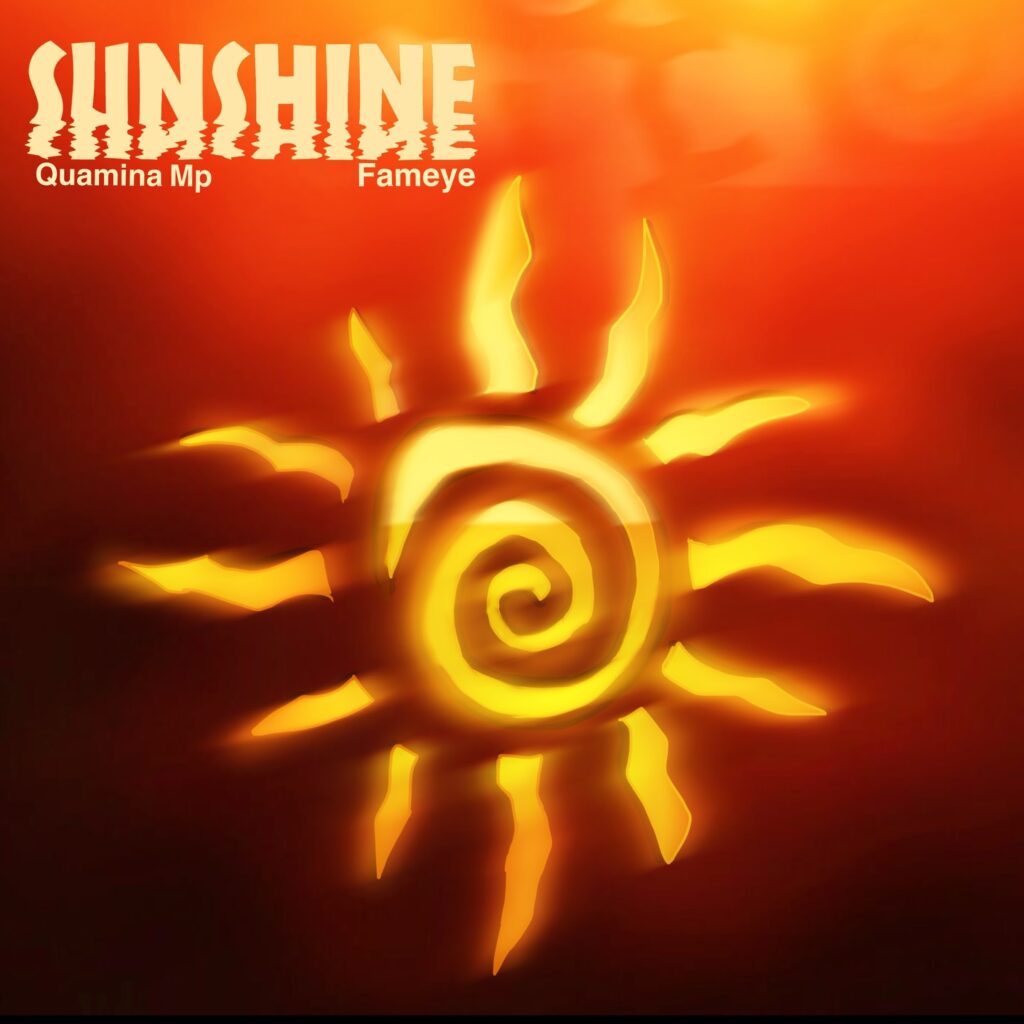
Quamina Mp Ft Fameye Sunshine
Quamina Mp Ft Fameye “Sunshine”

Early reactions on social media highlight the track’s replay value. Fans are calling it a “perfect mood lifter” and a strong addition to Ghana Music Friday releases. One X user noted Fameye “put hard on” the collaboration, while others praised the seamless blend of styles.

This release comes at an exciting time for Ghanaian music. With artists like Stonebwoy, King Promise, and emerging talents pushing Afrobeats and hiplife globally, collaborations like Quamina MP and Fameye’s help keep the local scene vibrant and competitive.

ADVERTISEMENT

“Sunshine” stands out for its positivity in an industry often dominated by high-energy club bangers or emotional heartbreak tracks.

Quamina MP has been strategic with his 2026 output, positioning “Sunshine” as his lead single of the year. Pre-release campaigns across Instagram, X (formerly Twitter), TikTok, and Facebook built strong anticipation, with visual teasers showing bright, sunlit aesthetics that match the song’s theme.

Future Outlook

The single is now available on all major platforms including Spotify, Apple Music, YouTube Music, and Audiomack. An official music video or lyric visualizer is expected soon, given the strong visual storytelling both artists typically employ.

Industry watchers see “Sunshine” as potential playlist fodder and radio staple, especially during the sunny months ahead. Its universal message of hope could help it cross borders in the Afrobeats ecosystem.

As Ghanaian music continues its global ascent, collaborations rooted in shared cultural sounds and genuine chemistry like this one remain key. Quamina MP and Fameye have delivered a timely reminder that, no matter the challenges, the sun will rise.

Fans are encouraged to stream, share, and add “Sunshine” to their rotation. With positive early momentum, this could be one of the defining uplifting tracks of 2026.

READ ALSO: GFIM Liquidity Boom Pushes Trades Past GH₵1.5bn in One Day

Sign Up to Our Newsletter

Fresh updates, Straight to your inbox

Tags: entertainmentghanaquamina mp
ShareTweetShareSendSend
Please login to join discussion
Previous Post

IMF Ghana Review Ends in Dramatic Cliffhanger

Next Post

Rich List Reveals New Power Shift, Beckham Becomes First British Sports Billionaire

Related Posts

Album cover for Iceman by Drake
Entertainment

Drake Expands Triple Album Surprise with ‘Habibti’ and ‘Maid of Honour’

May 15, 2026
3 Faces of Jeffery Nortey Flyer
Entertainment

Jeffrey Nortey’s  “3 Faces of Jeffrey Nortey” Back to National Theatre

May 14, 2026
Madonna, Shakira and BTS will headline the half-time show at the final in New Jersey
Entertainment

Madonna, Shakira & BTS Set to Headline FIFA World Cup 2026

May 14, 2026
Stonebwoy performing at the “Redsan@30”  flyer
Entertainment

Stonebwoy Set to Ignite Nairobi Stage at Jose Chameleone’s “Redsan@30”

May 14, 2026

Sign Up to Our Newsletter

Fresh updates, Straight to your inbox

Recent News

Professor Ernest Kofi Davis, Acting Director-General, Ghana Education Service

GES Assures Placement for All Qualified BECE Candidates

May 15, 2026
UK Prime Minister, Keir Starmer

UK Bars Far-Right Agitators as Starmer Vows Zero Tolerance

May 15, 2026
Fidelity Demands Africa Own Its Digital Future At a time when Africa’s digital economy is accelerating at an unprecedented pace, Fidelity Bank Ghana has delivered one of the strongest messages yet on the continent’s technological future. The bank made a bold and urgent case for Africa to stop depending on foreign controlled digital systems and begin building its own infrastructure capable of retaining value, strengthening currencies, and driving long term economic sovereignty. As one of the key sponsors of the 3i Africa summit, Fidelity Bank did not just show up to participate. It arrived with a message that resonated deeply across conference halls and policy discussions. Fidelity Bank emerged as one of the loudest voices championing a future where African nations control the very digital rails that power their economies. Digital Infrastructure Is The New Economic Power One of the defining moments of the summit came during a high level panel discussion on digital public infrastructure, where Adeline Aryee delivered a statement that immediately captured the attention of participants. She declared that if Africa builds its own digital rails, it naturally retains the value created by those systems. Her message was clear and uncompromising. In previous decades, national infrastructure was measured by roads, bridges, ports, and airports. Today, the true engines of economic power are payment platforms, identity systems, financial technology ecosystems, and digital marketplaces. According to Aryee, digital public infrastructure is no longer a luxury. It is now a strategic national asset. Her remarks struck at the heart of one of Africa’s most pressing economic concerns. Despite growing digital adoption, many transactions across the continent still pass through foreign payment systems, resulting in value leakage and continued pressure on local currencies. Ghana’s Success Story Becomes A Continental Blueprint Aryee highlighted Ghana’s progress in financial inclusion, mobile payments, and digital banking, describing the country as an emerging model for other African economies. Over the years, Ghana has invested heavily in domestic payment systems such as GhIPSS and its flagship platform, Gh-link. These systems have significantly expanded access to financial services while promoting digital transactions across urban and rural communities. Yet Aryee argued that inclusion alone is no longer enough. The next chapter for Africa, she insisted, must focus on ownership. She questioned why local transactions continue to depend on foreign rails when domestic infrastructure already exists. According to her, such dependence creates unnecessary external exposure and limits the continent’s ability to fully capture the economic benefits of its growing digital market. Her comments triggered intense debate among summit participants, many of whom acknowledged the urgent need for policy reforms and infrastructure investments. Market Driven Innovation Takes Center Stage Beyond infrastructure, Fidelity Bank also made a strong case for innovation that begins with real market needs. During the Ecosystem Roundtable on platforms, talent, and digital markets, Prince Osei Hyeaman-Addai shared insights from the bank’s years of digital financial innovation. He stressed that successful digital products are not built in boardrooms or based on assumptions. Instead, they are created by listening carefully to the market and understanding customer pain points. According to him, the market itself reveals the problems that need solving, the type of platform required, and the path toward scalable growth. His comments reflected a growing shift in African fintech circles, where customer centered design is becoming essential for product adoption and long term relevance. Trust And Credibility Remain The Real Currency Prince also emphasized that technology alone does not guarantee success. In his view, trust, credibility, and strong operational structures remain the real foundations of successful innovation. He noted that while investor interest in African fintech continues to rise, startups must prove they can deliver sustainable solutions, maintain transparency, and build products that respond to local realities. This perspective reflects Fidelity Bank’s own journey in digital transformation. Over the years, the bank has built strategic collaborations with leading fintech players, including IT Consortium, helping pioneer wallet to bank integrations and mobile financial solutions in Ghana. These partnerships have helped position Fidelity as one of Ghana’s most innovation driven financial institutions. A Defining Moment For Africa’s Digital Future Fidelity Bank’s participation at the 3i Africa Summit 2026 was more than a corporate appearance. It was a strategic declaration. At a time when Africa is racing to build competitive digital economies, the bank’s message was impossible to ignore. Africa cannot simply consume technology created elsewhere. It must own the infrastructure, shape the platforms, and capture the value generated by its digital future. As conversations from the summit continue to ripple across financial and policy circles, one thing is becoming increasingly clear. Africa’s next economic revolution may not be built on oil, gold, or minerals. It may be built on digital rails designed, owned, and powered by Africans. READ ALSO: IMF Ghana Review Ends in Dramatic Cliffhanger Fidelity Demands Africa Own Its Digital Future At a time when Africa’s digital economy is accelerating at an unprecedented pace, Fidelity Bank Ghana has delivered one of the strongest messages yet on the continent’s technological future. The bank made a bold and urgent case for Africa to stop depending on foreign controlled digital systems and begin building its own infrastructure capable of retaining value, strengthening currencies, and driving long term economic sovereignty. As one of the key sponsors of the 3i Africa summit, Fidelity Bank did not just show up to participate. It arrived with a message that resonated deeply across conference halls and policy discussions. Fidelity Bank emerged as one of the loudest voices championing a future where African nations control the very digital rails that power their economies. Digital Infrastructure Is The New Economic Power One of the defining moments of the summit came during a high level panel discussion on digital public infrastructure, where Adeline Aryee delivered a statement that immediately captured the attention of participants. She declared that if Africa builds its own digital rails, it naturally retains the value created by those systems. Her message was clear and uncompromising. In previous decades, national infrastructure was measured by roads, bridges, ports, and airports. Today, the true engines of economic power are payment platforms, identity systems, financial technology ecosystems, and digital marketplaces. According to Aryee, digital public infrastructure is no longer a luxury. It is now a strategic national asset. Her remarks struck at the heart of one of Africa’s most pressing economic concerns. Despite growing digital adoption, many transactions across the continent still pass through foreign payment systems, resulting in value leakage and continued pressure on local currencies. Ghana’s Success Story Becomes A Continental Blueprint Aryee highlighted Ghana’s progress in financial inclusion, mobile payments, and digital banking, describing the country as an emerging model for other African economies. Over the years, Ghana has invested heavily in domestic payment systems such as GhIPSS and its flagship platform, Gh-link. These systems have significantly expanded access to financial services while promoting digital transactions across urban and rural communities. Yet Aryee argued that inclusion alone is no longer enough. The next chapter for Africa, she insisted, must focus on ownership. She questioned why local transactions continue to depend on foreign rails when domestic infrastructure already exists. According to her, such dependence creates unnecessary external exposure and limits the continent’s ability to fully capture the economic benefits of its growing digital market. Her comments triggered intense debate among summit participants, many of whom acknowledged the urgent need for policy reforms and infrastructure investments. Market Driven Innovation Takes Center Stage Beyond infrastructure, Fidelity Bank also made a strong case for innovation that begins with real market needs. During the Ecosystem Roundtable on platforms, talent, and digital markets, Prince Osei Hyeaman-Addai shared insights from the bank’s years of digital financial innovation. He stressed that successful digital products are not built in boardrooms or based on assumptions. Instead, they are created by listening carefully to the market and understanding customer pain points. According to him, the market itself reveals the problems that need solving, the type of platform required, and the path toward scalable growth. His comments reflected a growing shift in African fintech circles, where customer centered design is becoming essential for product adoption and long term relevance. Trust And Credibility Remain The Real Currency Prince also emphasized that technology alone does not guarantee success. In his view, trust, credibility, and strong operational structures remain the real foundations of successful innovation. He noted that while investor interest in African fintech continues to rise, startups must prove they can deliver sustainable solutions, maintain transparency, and build products that respond to local realities. This perspective reflects Fidelity Bank’s own journey in digital transformation. Over the years, the bank has built strategic collaborations with leading fintech players, including IT Consortium, helping pioneer wallet to bank integrations and mobile financial solutions in Ghana. These partnerships have helped position Fidelity as one of Ghana’s most innovation driven financial institutions. A Defining Moment For Africa’s Digital Future Fidelity Bank’s participation at the 3i Africa Summit 2026 was more than a corporate appearance. It was a strategic declaration. At a time when Africa is racing to build competitive digital economies, the bank’s message was impossible to ignore. Africa cannot simply consume technology created elsewhere. It must own the infrastructure, shape the platforms, and capture the value generated by its digital future. As conversations from the summit continue to ripple across financial and policy circles, one thing is becoming increasingly clear. Africa’s next economic revolution may not be built on oil, gold, or minerals. It may be built on digital rails designed, owned, and powered by Africans. READ ALSO: IMF Ghana Review Ends in Dramatic Cliffhanger Fidelity Demands Africa Own Its Digital Future

Fidelity Demands Africa Own Its Digital Future

May 15, 2026
Bruno Fernandes has won Manchester United's Player of the Year award twice in succession

Fernandes Crowned Manchester United Player of the Year Again After Remarkable Season

May 15, 2026
Chief Executive of the NHIA, Dr. Victor Asare Bampoe

NHIA Pays Over GHC157 Million in Claims

May 15, 2026
Next Post
David Beckham is one of the co-owners of MLS club Inter Miami

Rich List Reveals New Power Shift, Beckham Becomes First British Sports Billionaire

The Vaultz News

Copyright © 2025 The Vaultz News. All rights reserved.

Navigate Site

  • About
  • Advertise
  • Privacy Policy
  • Contact

Follow Us

Welcome Back!

Login to your account below

Forgotten Password?

Retrieve your password

Please enter your username or email address to reset your password.

Log In
No Result
View All Result
  • Top Stories
  • News
    • General News
    • Education
    • Health
    • Opinions
  • Economics
    • Economy
    • Finance
      • Banking
      • Insurance
      • Pension
    • Securities/Markets
  • Business
    • Agribusiness
    • Vaultz Business
    • Extractives/Energy
    • Real Estate
  • World
    • Africa
    • America
    • Europe
    • UK
    • USA
    • Asia
    • Around the Globe
  • Innovation
    • Technology
    • Wheels
  • Entertainment
  • 20MOBPL2D
  • Jobs & Scholarships
    • Job Vacancies
    • Scholarships

Copyright © 2025 The Vaultz News. All rights reserved.

This website uses cookies. By continuing to use this website you are giving consent to cookies being used. Visit our Privacy and Cookie Policy.

Discover the Details behind the story

Get an in-depth analysis of the news from our top editors

Enter your email address