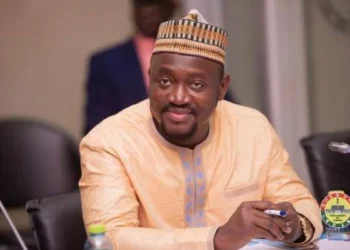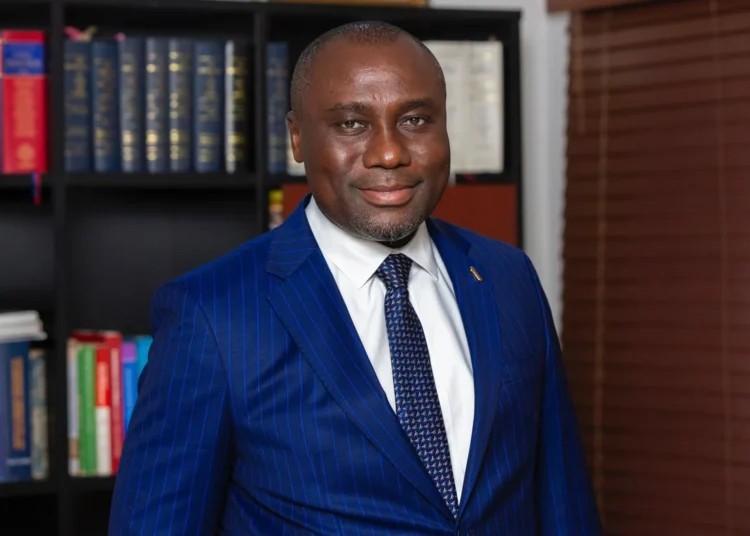
The Director of Legal Affairs of the New Patriotic Party, Gary Nimako, has criticised what he describes as the growing misuse of criminal laws against citizens who express opinions on national issues. He argued that some arrests by investigative bodies appear inconsistent with democratic governance and constitutional freedoms.
“Free speech in every country is very clear. In a functioning democracy, people must be allowed to speak freely. No matter how noisy it may be, it should be permitted. That does not mean it should be coupled with irresponsible speech.”
Gary Nimako
Defending a press statement issued by the NPP flagbearer, the lawyer suggested that recent applications of Sections 207 and 208 of Ghana’s criminal laws have drifted from their original intent. He explained that such provisions are increasingly being applied to matters that could ordinarily be addressed through civil legal processes.
He noted that this trend is creating fear among citizens who engage in public discussions on governance through traditional and social media platforms. He added that several individuals have been detained over statements that, in his view, do not pose an immediate threat to public peace.

He also questioned the justification for imposing high bail conditions on suspects during investigations, a practice he said lacks legal basis within Ghana’s criminal justice system. He stressed that bail should primarily secure an accused person’s appearance before investigators or court.
He further stated that some suspects and their lawyers are made to wait for long periods before formal questioning begins, a situation he said places unnecessary strain on legal representation and due process.
Thus he called on the Attorney General to intervene in instances where police powers appear excessive, arguing that legal safeguards are necessary to maintain public confidence in the justice system.
Mr Nimako also raised concerns about the transfer of suspects from other regions to Accra for prosecution, questioning whether such decisions always align with territorial jurisdiction and procedural fairness.
He maintained that some charges relating to causing fear and alarm are not sufficiently supported by factual evidence. According to him, prosecutors must establish a credible threat to public order before such offences are applied.
“The facts upon which these persons are charged, about 90 per cent of them, are misapplied in a way that is said to cause fear and alarm to the public. What fear and alarm are we talking about? There must be a factual basis to show that something has happened that could breach the peace. What factual basis is being relied on in these cases?”
Gary Nimako
He warned that actions perceived as inconsistent or excessive could weaken public trust in democratic institutions. He added that law enforcement agencies must operate impartially and strictly within constitutional limits.

He further urged public officials to exercise restraint and accountability in the use of authority, noting that decisions taken in office are subject to future public and legal scrutiny.
Calls For Democratic Tolerance And Responsible Use Of State Power
Gary Nimako called for stronger protection of free expression within Ghana’s democratic system. He stated that citizens should not face intimidation for expressing views on matters of public interest.
The NPP Legal Affairs Director explained that democratic systems function best when citizens can freely criticise state institutions without fear of reprisal. He stressed that free speech remains central to accountability and civic participation.
While acknowledging the need for responsible public discourse, he maintained that criticism alone should not attract criminal sanctions. He added that citizens have the right to question governance decisions and express dissatisfaction with public services.
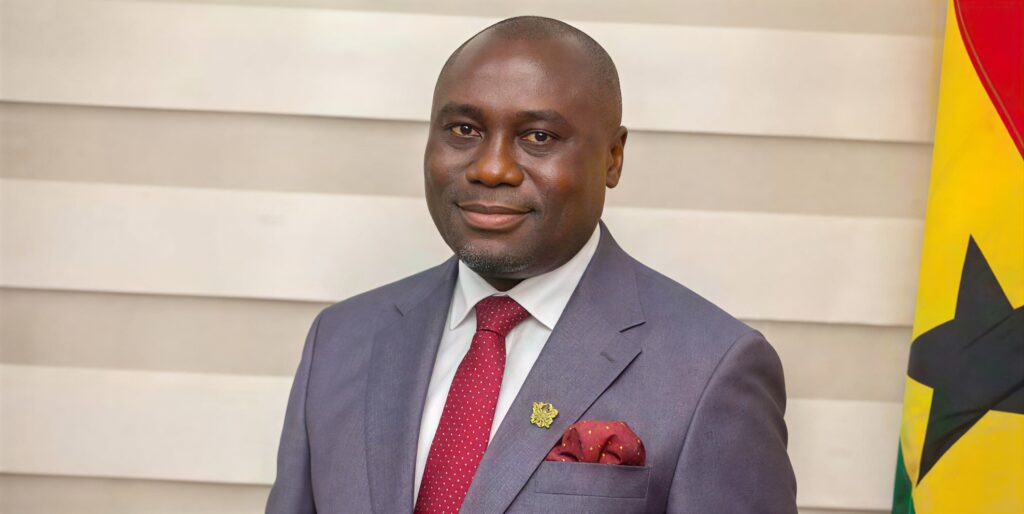
He cited public discussions on electricity supply challenges as an example of issues that should not trigger arrests, arguing that such commentary reflects legitimate public concern.
“Power corrupts, and absolute power corrupts absolutely. You must understand one thing: you have state power to act, and you have to act responsibly and according to the law.
“Let’s allow free speech. Let’s allow free speech. Why? Let’s allow free speech. I do not see why somebody will speak, saying, “Oh, Dumsor has come,” and the person is arrested.”
Gary Nimako
He therefore urged political actors to exercise authority with restraint, warning that actions taken today may later be subject to scrutiny when political circumstances change.
He also appealed to the police leadership to provide clearer guidance to officers handling politically sensitive cases and to avoid perceptions of selective justice.
Mr Nimako therefore encouraged the use of civil remedies in defamation and reputational disputes, noting that such matters can be addressed through damages in court rather than criminal prosecution.
READ ALSO: Legal Education Bill To Anchor Ghana School Of Law