The Accra Chapter of the Association of Ghana Industries (AGI), in a strategic institutional alliance with professional corporate advisory firm LFA & Co, has executed the 10th edition of the Entrepreneurial Knowledge Forum (EKF) – a capacity-building symposium to de-risk the operational models of Small and Medium Enterprises (SMEs).
The forum sought to aggressively shift the corporate discourse from theoretical strategic design to rapid, measurable field execution, as indigenous enterprises grapple with shifting consumer sentiment, local currency fluctuations, and the widening competitive pressures of cross-border commerce.
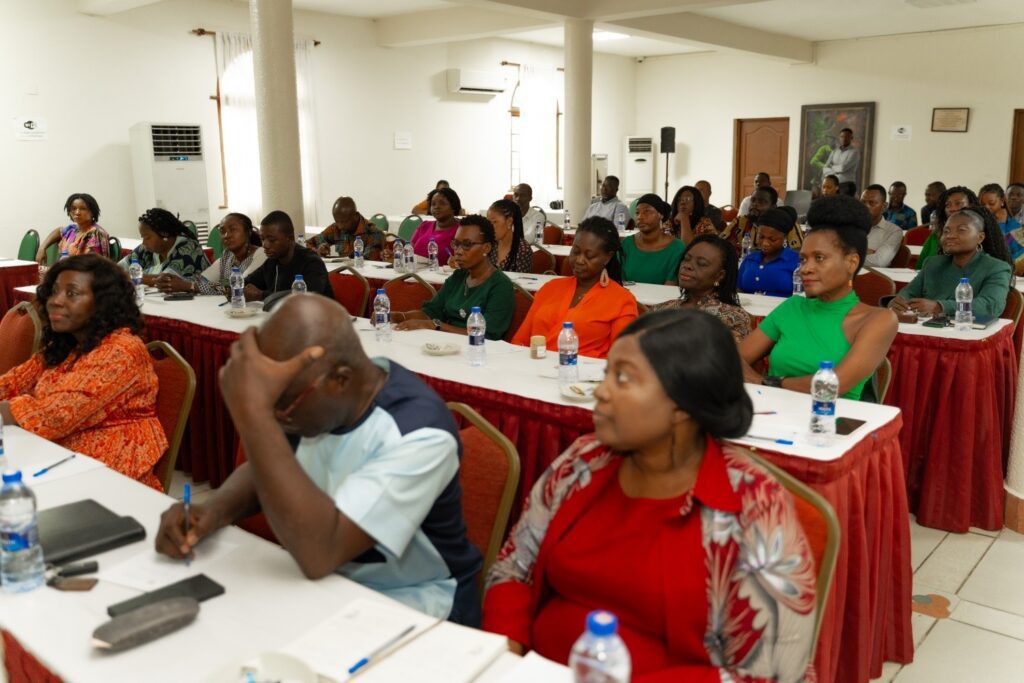
Held in the capital, the collaborative initiative served as a high-level diagnostic platform where industry leaders, corporate governance experts, and micro-enterprise owners dissected the specific variables that dictate commercial scaling and long-term institutional survival within the West African market.
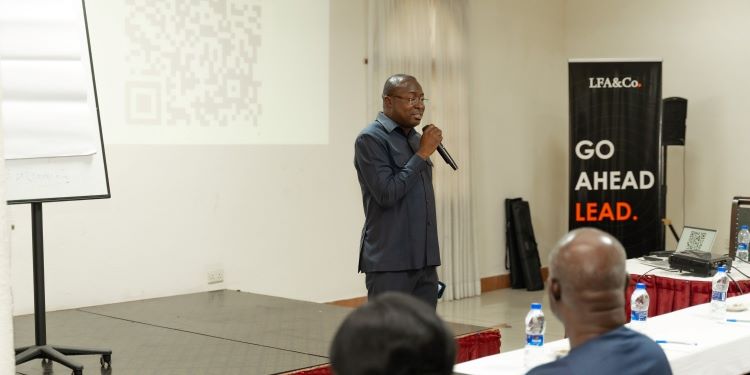
“Speaking at the event, AGI Accra Regional Chairman, Mr Tsonam Akpeloo, encouraged participants to actively engage and test ideas through practical implementation. He said EKF has come a long way and will continue to provide cutting-edge information and knowledge for entrepreneurs to hone their capacities”
Association of Ghana Industries
According to the AGI, the 10th EKF recognizes that while entrepreneurial intent remains exceptionally high within the Greater Accra Region, the conversion rate from business plan to sustainable corporate entity remains choked by execution deficits, with the inability of enterprise leadership to systematically implement their vision amid localized operational headwinds.
Through focusing the curriculum on the hard mechanics of branding, data-driven marketing, optimized sales generation, and agile adaptation to macroeconomic consumer trends, the AGI Accra Chapter is on a mission to build a resilient defensive buffer around local industry players.
Addressing the gathered assembly of corporate executives, market stakeholders, and SME founders, Mr. Akpeloo, delivered an uncompromising brief on the necessity of operational agility, pushing back against the widespread corporate habit of constructing rigid, multi-year business strategies that fail to survive initial contact with shifting market realities.
In an environment characterized by unpredictable supply chain dynamics and changing consumer purchasing power, the modern entrepreneur must treat strategy as an iterative, living framework rather than an unchangeable institutional document.
This emphasis on empirical experimentation highlighted how the AGI approaches capacity building, encouraging SMEs to rapidly deploy, evaluate, and refine their operational concepts in real-world environments, to foster a corporate culture that values immediate execution over prolonged academic planning.
Purpose-Driven Governance
A core tension explored during the forum was the constant struggle between immediate cash flow pressures and long-term value creation.
In his address to the forum, Mr. Daniel Dotse, Managing Partner of LFA & Co, cautioned businesses against the dangers of transactional myopia – an operational state where an organization becomes so hyper-focused on short-term liquidity generation that it compromises its core organizational mission.
While recognizing that daily revenue generation is essential for short-term survival, Mr. Dotse argued that sustainable corporate scale is built on purpose-driven governance frameworks that look far beyond the current quarter’s balance sheet.
For Ghanaian SMEs looking to transition from informal family-run operations into formalized, multi-generational corporations, this shift from purely profit-driven tactics to mission-driven strategy represents an essential developmental step.
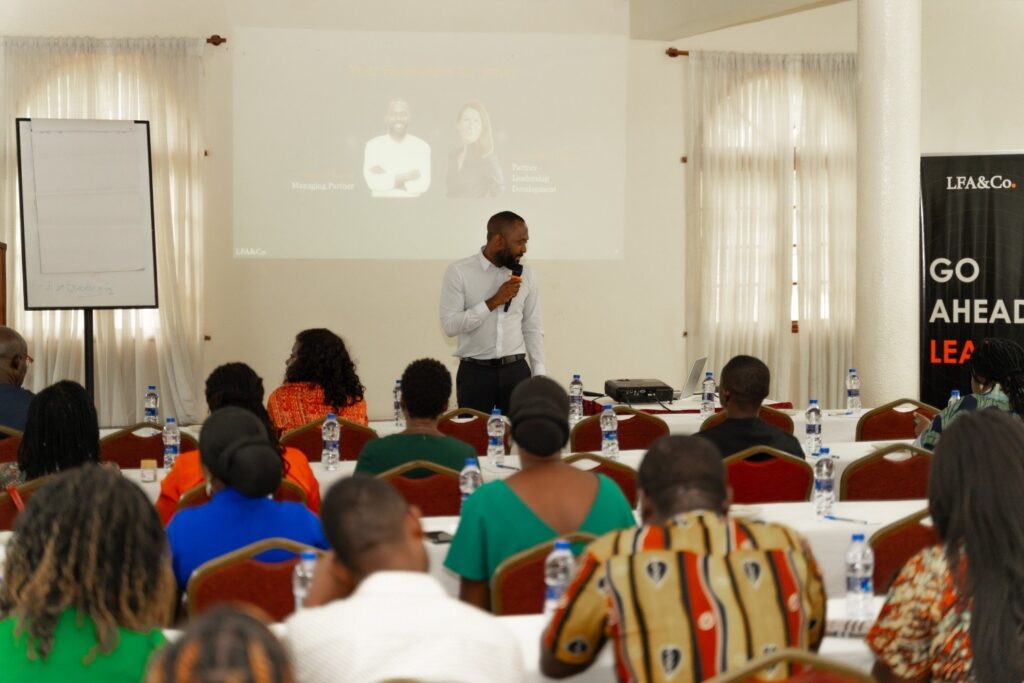
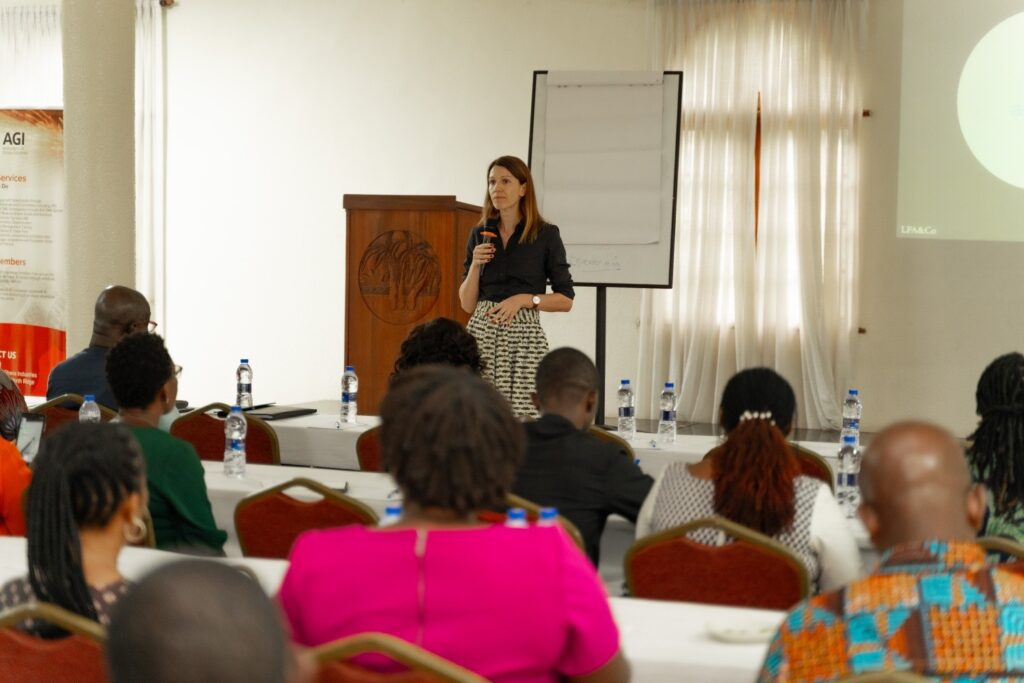
AGI noted that the discourse on strategy execution naturally extended into the realities of modern brand differentiation, with Dr. Sabine Huber, Partner for Leadership Development at LFA & Co, leading an analytical session detailing the strategic importance of brand visibility and product clarity.
Within the contemporary Ghanaian marketplace, local businesses are no longer competing simply against neighboring firms; the ongoing implementation of the African Continental Free Trade Area (AfCFTA) means that domestic brands are facing direct competition from highly sophisticated, heavily scaled foreign corporations entering the local market.
“Dr. Huber encouraged SMEs to clearly communicate the value and uniqueness of their products and services,” arguing that clear branding is not a cosmetic marketing luxury, but a core strategic defense mechanism.
When an SME clearly communicates the specific, unique value proposition of its products, it builds a distinct market identity that shields it from fierce price wars driven by cheap commodity imports, and developing strong brand equity allows local firms to maintain stable pricing power, secure customer loyalty, and expand smoothly into regional markets.
As the EKF concludes its tenth cycle, the broader structural trajectory for the Accra Chapter of the AGI remains focused on institutional formalization. The insights shared by Akpeloo, Dotse, and Huber demonstrate that the survival of Ghana’s industrial base depends on upgrading the managerial habits of its small-business sector.
For the AGI, the long-term goal of these educational forums is to transform the underlying structure of Ghana’s private sector by helping small businesses move away from informal, short-term survival tactics and adopt professional, purpose-driven execution models for a highly competitive industrial economy.
As these trained entrepreneurs begin to scale up their operations, build strong regional brands, and attract international investment, they will form the core foundation of a self-sustaining, modern Ghanaian economy capable of leading across the wider West African sub-region.
READ ALSO: ECG Forges Security Collaboration Amid Power Concerns in Western Region