The Africa Centres for Disease Control and Prevention (Africa CDC) and the World Health Organization (WHO) have launched a joint continental preparedness and response plan aimed at containing the ongoing Ebola outbreak caused by the Bundibugyo virus, as health authorities intensify efforts to prevent further cross-border transmission across Central and East Africa.
The goal of the six-month strategy framework, which will run from June to November 2026, is to raise US$518 million to help impacted and vulnerable nations increase life-saving measures, improve emergency coordination, and reinforce surveillance.
In order to guarantee quicker identification, quick containment, and coordinated action across borders, the plan unites governments, international partners, and local communities under a single “One Response” strategy.
WHO Director-General Dr. Tedros Adhanom Ghebreyesus emphasised that only a concerted worldwide effort could contain the outbreak when he announced the plan.
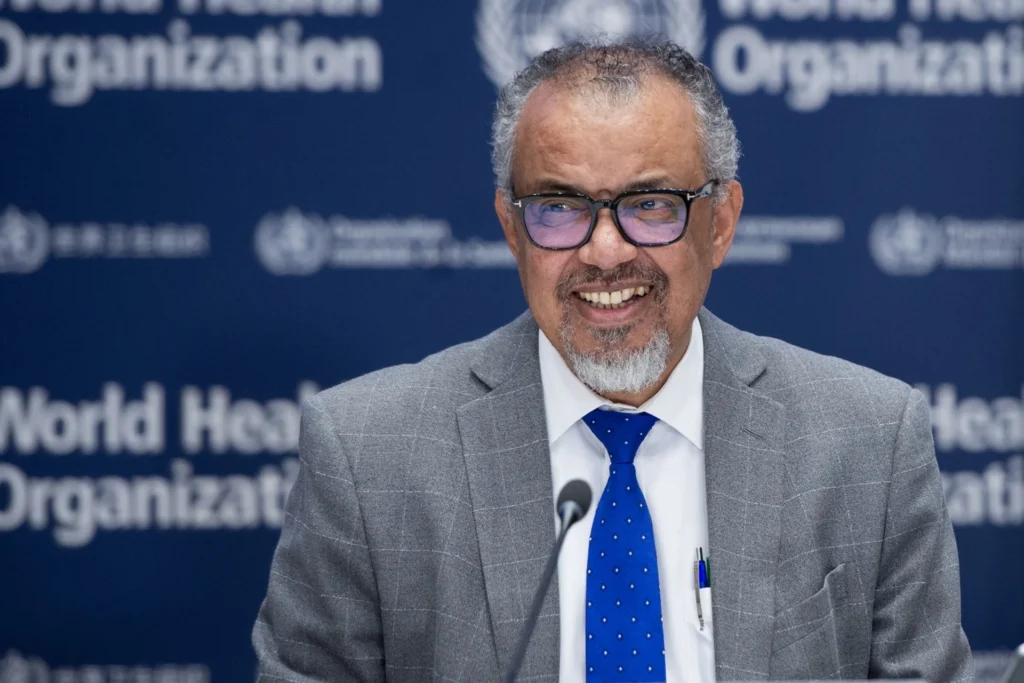
“The only way to beat this outbreak is through close partnership, working together under the leadership of the affected countries in one coordinated effort, guided by a simple principle: one plan, one budget, one team.”
Dr. Tedros Adhanom Ghebreyesus
He noted that, “containing Ebola depends on political commitment, sustained financing, and the trust and engagement of communities,” adding, “this plan places communities at the centre, because without their participation, contact tracing falters, safe care is delayed, and transmission continues.”
Under the new plan, implementation is already underway in affected countries, including intensified response operations in the Democratic Republic of the Congo (DRC), where professionals are working closely with Africa CDC and WHO teams to trace contacts, isolate cases, and strengthen infection control in health facilities. Uganda, which borders the DRC and has previously experienced Ebola outbreaks, is also reinforcing surveillance systems and border health measures.
In addition, ten priority countries across the region are receiving targeted support to enhance preparedness, particularly in border districts identified as high-risk for cross-border transmission. These measures include training of health workers, deployment of rapid response teams, strengthening of laboratory networks, and improving real-time disease reporting systems.
Another key feature of the initiative is its emphasis on protecting vulnerable populations, particularly in rural and conflict-affected areas where access to healthcare is limited.
The plan also highlights the importance of cross-border collaboration, recognising that population movement across porous borders remains one of the primary drivers of Ebola spread. Strengthened screening at points of entry, enhanced data sharing between neighbouring countries, and coordinated surveillance systems are central to the response strategy.
According to Dr Jean Kaseya, Director-General of Africa CDC, “ebola moves fast. Africa must move faster.”
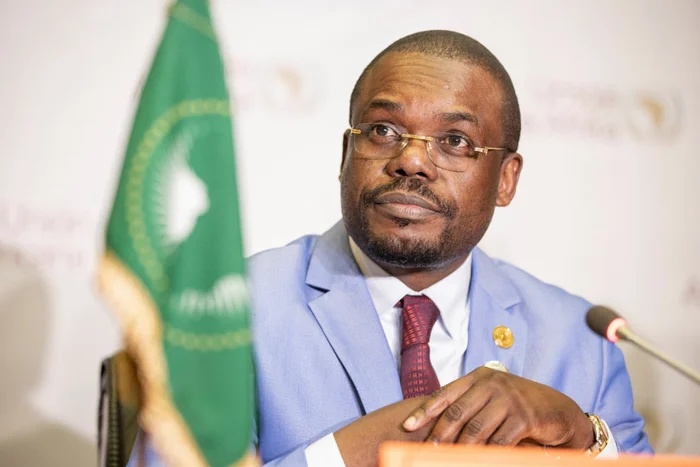
“This joint plan gives the continent a clear path to act with speed and unity: to save lives, support the affected countries and protect neighbouring communities. With Member States, WHO and partners, Africa CDC is turning commitment into action and resources into response for the communities at risk.”
Dr Jean Kaseya
The $518 million appeal will be used to support emergency operations, deploy medical personnel, expand laboratory networks, improve logistics and supply chains, and strengthen coordination mechanisms between national governments and international partners.
Donor governments, development banks, and humanitarian organisations are expected to be approached in the coming weeks to contribute to the funding package.
Africa CDC and WHO noted that the joint framework draws on lessons learned from previous Ebola outbreaks, including the 2014–2016 West Africa epidemic and more recent outbreaks in the DRC, which exposed critical gaps in emergency preparedness, coordination, and health system resilience.
DRC Ebola Outbreak Spreads Amid Conflict
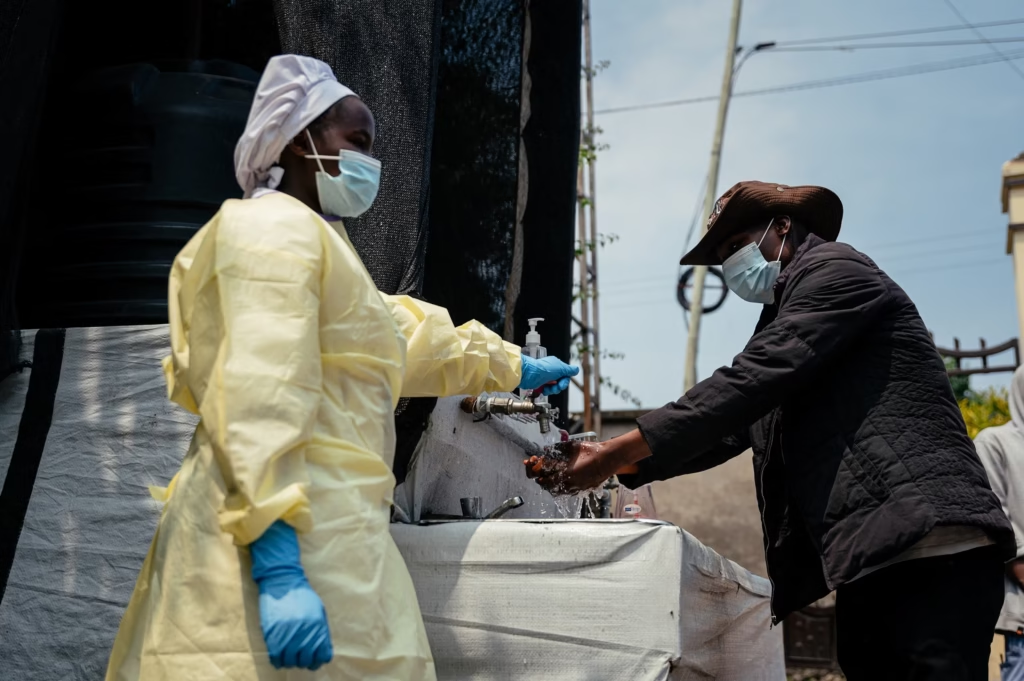
Meanwhile, the ebola outbreak in the Democratic Republic of the Congo, driven by the rare Bundibugyo strain of the virus, has intensified amid worsening insecurity and strained health systems in the country’s eastern provinces, according to the World Health Organization (WHO).
WHO Director-General Dr Tedros Adhanom Ghebreyesus noted earlier that about 344 confirmed cases have now been recorded in the DRC, including 60 deaths, while suspected cases have dropped significantly from more than 1,000 last week to 116 as response teams work through a growing backlog of alerts and reports.
The epicentre of the outbreak remains in Ituri province, with additional cases reported in neighbouring North and South Kivu, regions already heavily affected by armed group violence, displacement, and chronic humanitarian shortages.
Despite these challenges, treatment capacity is being scaled up. Three Ebola treatment centres are currently operating in Bunia, the capital of Ituri, providing around 80 beds, while additional treatment units have been established in five other regional cities. Expansion efforts are ongoing as authorities attempt to stay ahead of transmission chains.
Neighbouring Uganda has also reported 15 confirmed cases and one death, including a Congolese national who had travelled from the United Arab Emirates.
WHO maintains its risk assessment at “very high” at national level and “high” regionally, while global risk remains low.
WHO chief further stressed that contact tracing rates currently at about 45% must rise above 90% to effectively control the spread, while urging countries to avoid blanket travel bans that disrupt critical supply chains.
READ ALSO: Spurs Complete Andy Robertson Capture on a Free Transfer