The Ministry of Fisheries and Aquaculture Development (MoFAD), in close coordination with the Ministry of Gender, Children, and Social Protection, has initiated a comprehensive infrastructure assessment across Ghana’s critical coastal economic zones.
According to MoFAD, this collaborative state effort is aimed at restoring defunct cold-chain facilities and constructing modern, multi-purpose fish-processing hubs.
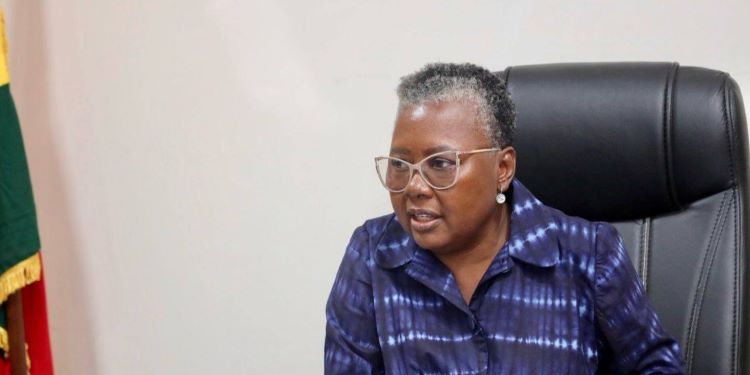
“The Minister for Fisheries and Aquaculture Development, Hon. Emelia Arthur, alongside the Minister for Gender, Children, and Social Protection, Hon. Naa Momo Lartey, conducted sequential on-site inspections of vital infrastructure assets within both the Krowor and Tema constituencies to accelerate operational readiness and protect domestic maritime livelihoods”
Ministry of Fisheries and Aquaculture Development
The joint Ministerial tour marked the government’s commitment to adopting a holistic economic strategy in managing Ghana’s small-scale fisheries sector, combining the infrastructure mandate of MoFAD with the social protection goals of the Gender Ministry.
This approach recognizes that the preservation of fish stocks and the financial security of coastal workers – particularly the thousands of women who drive the processing and retail supply chains – are deeply dependent on modern, well-managed infrastructure.
The first phase of the joint inspection focused heavily on the Nungua Ice Plant facility, a critical post-harvest asset located within the Krowor Constituency. For years, local fishing communities have faced severe challenges due to inadequate cold storage options, forcing artisanal fishers to sell their catches at rock-bottom prices during peak seasons to prevent rapid spoilage.

The evaluation of the Nungua site directly assessed the structural integrity, electrical systems, and mechanical capacity of the dormant plant to determine the quickest path toward full restoration.
To guarantee long-term operational viability and prevent the facility from falling back into neglect, the Ministers detailed an upcoming management framework, with active discussions underway to establish a formal partnership between the Fisheries Commission and the Krowor Municipal Assembly.
Furthermore, MoFAD noted plans to explore public-private partnerships (PPPs) to bring in private capital and management expertise, creating a sustainable operating model that serves local fishers while maintaining fiscal self-sufficiency.
Tema Ice Plant
Following the Krowor assessment, Hon. Arthur led the high-level delegation to Tema Newtown to inspect the Tema Ice Plant, a substantial facility constructed in 2022 with financial and technical backing from OceanAid Korea.
Despite its completion, the facility has remained uncommissioned, leaving local industrial and artisanal fishing fleets without access to its large-scale freezing capacities.
To resolve this long-standing bottleneck, the Fisheries Minister ordered an immediate, comprehensive assessment of the site to establish an exact timeline for commissioning or necessary technical upgrades.
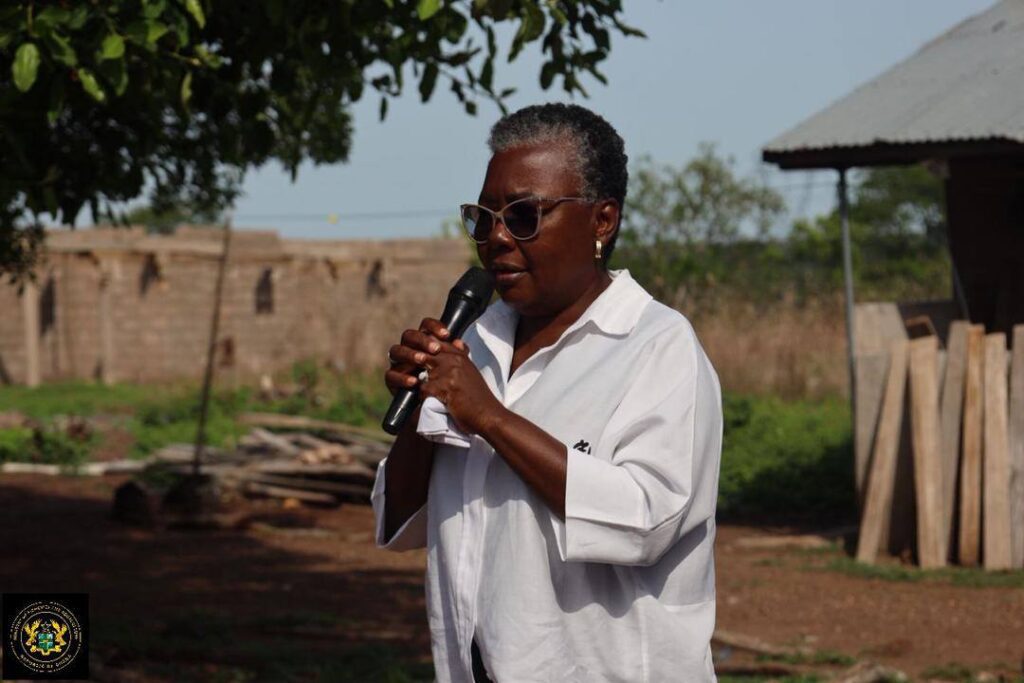
MoFAD’s strategic approach for the Tema site centers on building strong institutional ties between local government authorities and maritime regulators. Hon. Emelia Arthur emphasized that large-scale cold-chain infrastructure cannot operate in isolation from the broader port ecosystem.
Consequently, the operational plan requires structured cooperation between the Ministry, the Tema Metropolitan Assembly (TMA), and the leadership of the Tema Fishing Harbour to manage logistics, coordinate power allocations, and streamline distribution networks for local fishing operators.
A defining element of the joint ministerial tour was the inspection of the ongoing construction at the modern fish processing hub in Tema Newtown. This project represents a major step forward in agricultural infrastructure design by intentionally merging industrial processing facilities with critical social services.
The expanding hub is engineered to feature large-scale cold storage units alongside a dedicated healthcare clinic, operational daycare facilities, and modernized sanitation blocks.
The inclusion of these social amenities is a direct response to the specific vulnerabilities faced by women working in the mid-stream fisheries value chain, as women handle the vast majority of fish smoking, salting, drying, and retail marketing in Ghana’s coastal economies.
These workers frequently balance intense, manual labor next to high-heat processing ovens with primary childcare responsibilities, often in environments with limited access to formal healthcare or clean sanitation.
MoFAD and the Ministry of Gender are constructing a highly resilient foundation for Ghana’s blue economy by upgrading cold-chain logistics, establishing localized public-private management models, and building safe, supportive working environments for women processors.
These targeted investments are expected to systematically minimize post-harvest losses, stabilize coastal market prices, and ensure that the country’s maritime resources continue to drive inclusive economic growth and national food security.
READ ALSO: Prestea Sankofa Gold LTD Secures New Investment to Avert Operational Setbacks