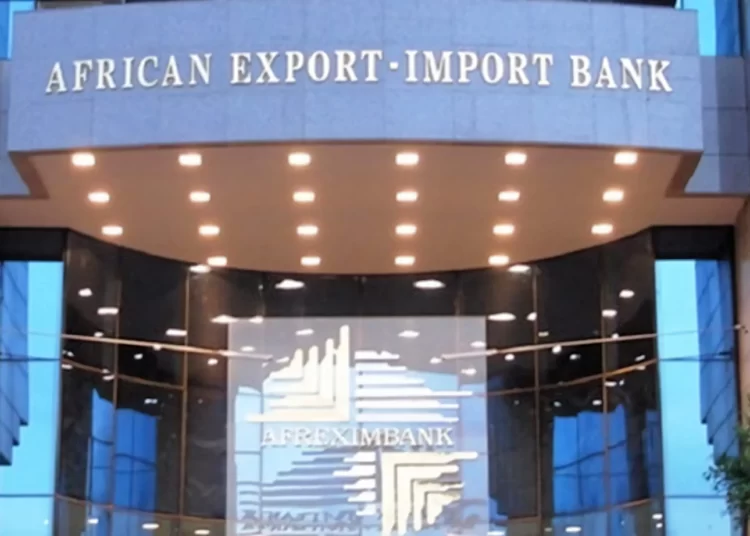
The African Export-Import Bank (Afreximbank) has secured a major vote of confidence from global financial markets after S&P Global Ratings restored the institution’s investment-grade status, marking a significant milestone nearly 12 years after its last assessment.
The BBB+ rating with a stable outlook places the pan-African lender firmly back in the investment-grade category and signals renewed confidence in its financial strength, resilience, and strategic importance to Africa’s economic transformation agenda.
The decision comes at a time when Afreximbank has been under intense scrutiny following disputes with other rating agencies over its lending practices and role in sovereign debt restructuring negotiations.
A Landmark Victory for Africa’s Trade Finance Giant
The restoration of Afreximbank’s investment-grade rating represents more than just a numerical assessment. It is a powerful endorsement of the institution’s long-standing mission to support trade, industrialization, and economic development across Africa, especially during periods of financial distress.
According to S&P Global Ratings, the decision was influenced by Afreximbank’s proven record as a countercyclical lender. Unlike many financial institutions that reduce lending during economic downturns, Afreximbank has consistently stepped forward to provide critical financing when African economies need support the most.
The agency also highlighted the strong backing the bank enjoys from its shareholders, a factor that continues to reinforce confidence in its operations and long-term sustainability.
Rapid Growth Strengthens Confidence
One of the most striking aspects of S&P’s assessment is the extraordinary growth trajectory of Afreximbank over the past decade.
The bank’s total assets expanded dramatically from approximately $7.1 billion in 2015 to an impressive $42.3 billion by the end of 2025. This remarkable growth underscores the institution’s increasing influence across the continent and its expanding role in financing trade, infrastructure, industrial projects, and economic recovery initiatives.
For investors and market participants, such growth demonstrates both the relevance and effectiveness of the bank’s business model. It also highlights the growing demand for African-led financial solutions capable of addressing the continent’s unique development challenges.
A Sharp Contrast to Recent Rating Disputes
The S&P upgrade comes only months after Afreximbank ended its relationship with Fitch Ratings following a highly publicized disagreement.
Earlier this year, Fitch downgraded the institution to junk status, raising concerns about governance practices and the quality of certain loan disclosures. The agency also questioned the bank’s exposure to member countries with weak credit profiles and suggested that these relationships could influence lending decisions.
Afreximbank strongly rejected those conclusions, arguing that Fitch misunderstood its developmental mandate and unique operating model. The bank maintained that its legal framework, shareholder structure, and institutional safeguards remained robust and appropriate for its mission.
Following the dispute, Fitch withdrew its ratings entirely, setting the stage for renewed attention on how other agencies viewed the institution.
S&P’s latest decision therefore represents a significant counterpoint to the concerns previously raised.
The Preferred Creditor Debate Continues
A key issue surrounding Afreximbank remains its claim to preferred creditor status, a designation often granted to major multilateral institutions such as the International Monetary Fund and the World Bank.
Preferred creditor status generally protects lenders from losses during sovereign debt restructurings and enhances investor confidence.
However, Afreximbank’s ownership structure differs from traditional multilateral institutions because it combines both public and private shareholders. This unique arrangement has fueled debate over whether it should enjoy the same protections.
S&P acknowledged the ongoing discussion but chose not to include preferred creditor status as a factor in its assessment. The agency pointed out that nearly 80 percent of Afreximbank’s lending is directed toward private-sector entities, making the issue less central to its rating analysis.
Nevertheless, the agency noted that debt challenges in countries such as Ghana and Zambia have exposed the institution to payment delays and restructuring risks.
Governance Questions Addressed
Governance concerns have been another focal point for observers.
While Fitch previously categorized governance risks as elevated, S&P adopted a more balanced position. The agency described Afreximbank’s governance and management framework as adequate and highlighted several safeguards designed to ensure institutional oversight.
Among these are the presence of independent directors on the board and the participation of the African Development Bank as a permanent board member. These structures, according to S&P, help strengthen accountability and strategic decision-making.
The rating agency also observed that while increased participation from private investors could potentially influence risk appetite over time, major institutional decisions remain subject to approval mechanisms that protect the bank’s foundational objectives.
What the Upgrade Means for Africa
The return to investment-grade status could have far-reaching implications for Afreximbank and the broader African economy.
Credit ratings play a crucial role in determining borrowing costs and investor perceptions. A stronger rating can improve access to international capital markets, lower financing costs, and enhance the institution’s ability to mobilize resources for development projects across the continent.
For African businesses, exporters, and governments that rely on Afreximbank’s support, the upgrade could strengthen confidence in one of the continent’s most influential financial institutions.
As Africa seeks to accelerate industrialization, expand intra-African trade, and navigate a complex global economic environment, S&P’s endorsement sends a powerful message that Afreximbank remains a key pillar of the continent’s financial future.