The United States Defense Secretary Pete Hegseth has announced a new review of troop deployments in Europe.
Addressing Defence Ministers at NATO headquarters in Brussels, Hegseth said that the review would last for up to six months and include consultations with Congress, which has legislated a minimum number of US forces in Europe. He threatened to withhold some US dues to NATO if “free riding” allies did not meet their defence spending commitments.
The US has not publicly disclosed details of its reductions, but according to figures provided to a news agency by a military source, they range from refuelling aircraft to fighter jets, drones and ships.
Hegseth’s remarks came a few weeks after the US told allies that if one of them comes under attack it would no longer supply certain warships and aircraft. European allies and Canada are trying to work out how to plug the gaps.
NATO’s Supreme Allied Commander is working on backup plans to defend Europe after the US signaled on June 3 that it would no longer supply an aircraft carrier and support ships, aerial refueling planes and dozens of fighter jets, among other military assets, in a crisis.
“Make no mistake about it, this will be a real review. It will be designed to ensure that NATO is moving fast and irreversibly towards Europe leading, stepping up to take primary responsibility for the defence of Europe.”
Pete Hegseth
Arriving for the NATO meeting, Hegseth said the US would be candid in public and private about countries that need to do more to meet their commitments.
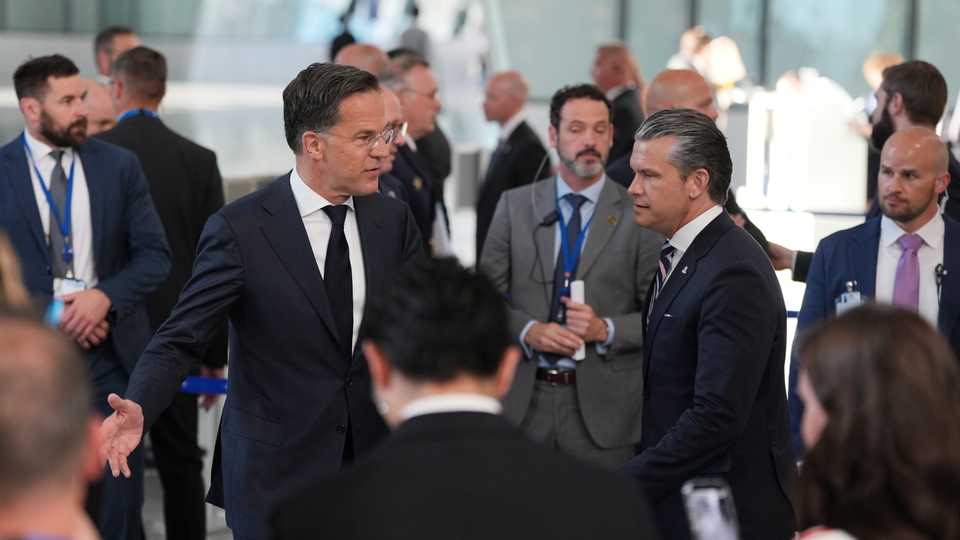
Also, Hegseth stated that the Trump administration now wants a reboot of the 32-nation organization to turn it into a “NATO 3.0.”
“NATO 3.0 is post-Cold War recognition that it needs to go back to a real hardline military alliance that has real military capabilities capable of deterring right here on the continent and taking the lead for the conventional defence of Europe.”
Pete Hegseth
The comments come after European allies and Canada have launched an unprecedented effort to boost defence spending and expand their armed forces. NATO Secretary-General Mark Rutte noted today that they spent $90 billion more on defence last year, a 20 percent increase compared with 2024.
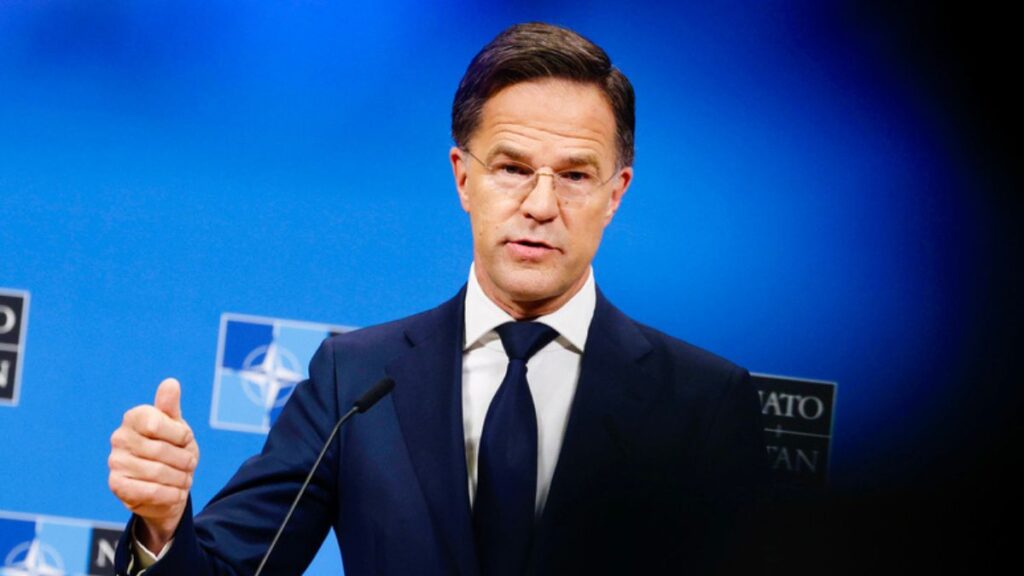
Rutte also acknowledged that the reduction of US contributions to NATO’s crisis forces has already taken effect. “The question yesterday came up: Is this immediate or not? It is immediate,” he told reporters. Some Ministers spelled out offers to raise their contributions to NATO’s crisis pool as they entered the Brussels meeting.
Hegseth Slams Allies For Not Helping US War With Iran
Moreover, Hegseth slammed allies who did not support the US during its war with Iran, after some denied the US basing and overflight rights for war-related activities. He said that the US review would ensure US basing and overflight rights were assured.
“These allies, they put America’s sons and daughters, our sons and daughters, at risk by denying them the predictable access, basing and overflight that never should have been in question at all.”
Pete Hegseth
Hegseth also railed against migration and gender equality policies in Europe, in remarks reminiscent to those of Vice President JD Vance in February last year that angered many Europeans.
“Instead of tanks and fighters and air defenses, the focus has been on gender equity and climate change and defense austerity. Europe’s borders flew wide open, welfare states expanded, defense budgets cratered. Along with Europe’s belief in itself and its civilization.”
Pete Hegseth
The US told allies last month that it had decided to shrink the pool of US military capabilities available to the alliance in a crisis. According to NATO’s top Commander, US Air Force General Alexus Grynkewich, that is meant to gradually end an “unhealthy codependence” on US forces as Washington faces the potential of simultaneous conflicts in multiple theatres.
In essence, the United States is scaling back how it might help should an ally trigger Article 5. The US has by far NATO’s biggest armed forces. It does not intend to withdraw its nuclear weapons in Europe, which are key to NATO’s deterrence.
Under NATO’s collective security guarantee, Article 5 of its founding treaty, the 32 allies pledge that an attack on one of them will be considered an attack on all.
READ ALSO: Trump, Pezeshkian Sign US-Iran MoU