Nigeria has officially unveiled its most significant critical minerals discoveries in recent history, marking a monumental milestone that brings the continent’s clean energy transition ambitions closer to realization.
This massive breakthrough positions Africa’s largest oil producer to pivot away from fossil fuel dependence and anchor itself as a vital player in the global shift toward renewable technology.
By uncovering these vast subterranean assets, the West African nation is laying the foundation for a sustainable industrial revolution that could power millions of electric vehicles and renewable energy storage systems across the globe.
“Nigeria is positioning itself among emerging destinations for strategic mineral resources and sustainable mining investment.”
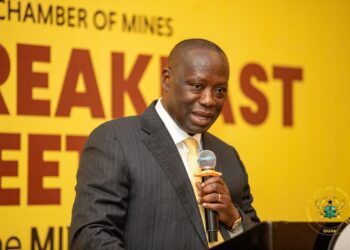
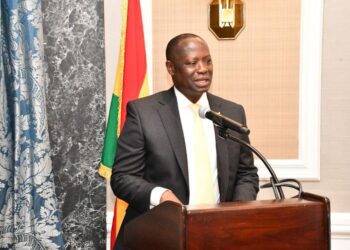
Nigeria’s Minister of Solid Minerals Development, Dele Alake
The federal government disclosed the mapping of an entirely new polymetallic mineral province in Kaduna State during the African Natural Resources and Energy Investment Summit held in Abuja.
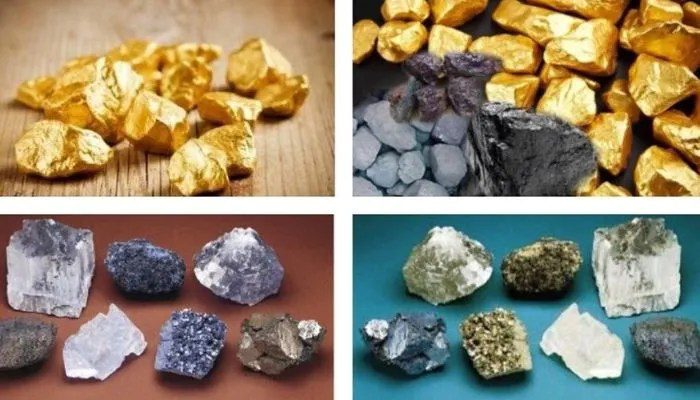
This newly mapped geological zone is highly enriched with top-tier deposits of platinum group metals, gold, nickel, copper, rare earth elements, and lithium.
Simultaneously, exploration activities near the capital city of Abuja have confirmed massive lithium-bearing ore reserves, establishing a twin-engine growth corridor for the nation’s burgeoning solid minerals sector.
Unlocking the Kaduna and Abuja Mineral Wealth
The collaborative exploration efforts between private firm Steron Mining and the Nigerian Geological Survey Agency (NGSA) have yielded stunning analytical data that has now been fully verified by state authorities.
In Kaduna, the newly delineated polymetallic province has been described by the Ministry of Solid Minerals Development as a “world-class” asset capable of fundamentally restructuring the national economy.
The shear diversity of metals found in this single district ranging from highly conductive copper to the precious catalytic properties of platinum group metals—presents an unprecedented economic windfall.

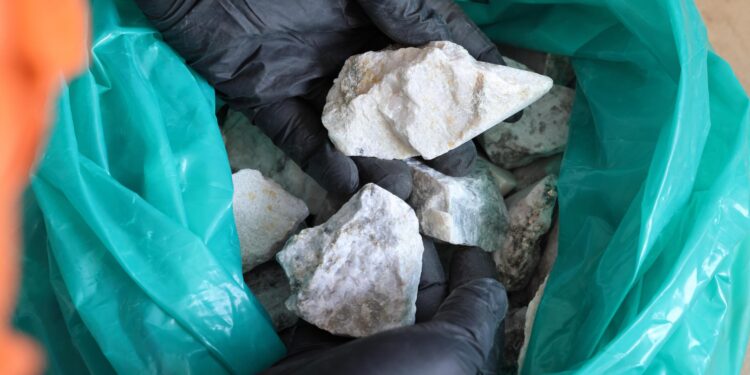
Further boosting this geological triumph, Steron Mining announced that its localized operations in the Abuja area have successfully proven approximately 3.3 million tonnes of high-grade lithium reserves.
Geologists working on the project estimate that the broader concession area hosts a staggering 94.8 million tonnes of total mineral resources, which includes massive quantities of lithium-bearing ore intertwined with granitic rock formations.
This massive volume ensures decades of stable extraction potential, turning Nigeria into an overnight heavyweight in the international battery materials landscape.
Direct Investment and Local Value Addition
This extraordinary resource wealth has already ignited intense international interest, with global manufacturers scrambling to secure stable supply lines for electric vehicle batteries and grid-scale storage infrastructure.
Chinese industrial giants, including Jiuling Lithium and Canmax Technologies, have led the charge by collectively committing more than $1.3 billion toward setting up state-of-the-art processing facilities within Nigeria, specifically targeting Kaduna and surrounding regions.
Foreign investors are aggressively acquiring exploration and mining licenses across multiple states, eager to embed themselves within this newly opened mineral frontier.
Crucially, the Nigerian government is implementing strict economic safeguards to avoid the historical pitfalls of the “resource curse” by mandating strict domestic beneficiation.
Minister Dele Alake emphasized that the era of exporting unrefined raw materials is coming to a close, stating that the federal policy framework is strictly geared toward adding value within national borders before shipping products overseas.
Demonstrating compliance with these rigorous federal guidelines, Steron Mining confirmed that it already processes its extracted lithium ore locally, ensuring that the economic multiplication effects, jobs, and industrial technological know-how remain within Nigeria.
Fueling Africa’s Green Energy Target
On a continental scale, these discoveries provide the definitive blueprint for Africa to meet its ambitious green energy and climate targets.
Historically, African nations have struggled to transition to renewable energy due to the prohibitive costs of importing finished clean technologies like solar components and lithium-ion batteries.
By establishing a massive domestic supply of lithium, copper, and rare earth elements right in the heart of West Africa, the continent can significantly bypass volatile global supply chains and lower the unit cost of clean energy manufacturing.
This domestic resource availability acts as a direct catalyst for the African Union’s Agenda 2063 green growth objectives.
Access to localized lithium and copper allows for the regional creation of battery assembly plants and electric vehicle manufacturing hubs, reducing the carbon footprint associated with shipping raw ores to other continents for refining.
READ ALSO: Investigative Journalism Currently Under Threat — GJA Secretary