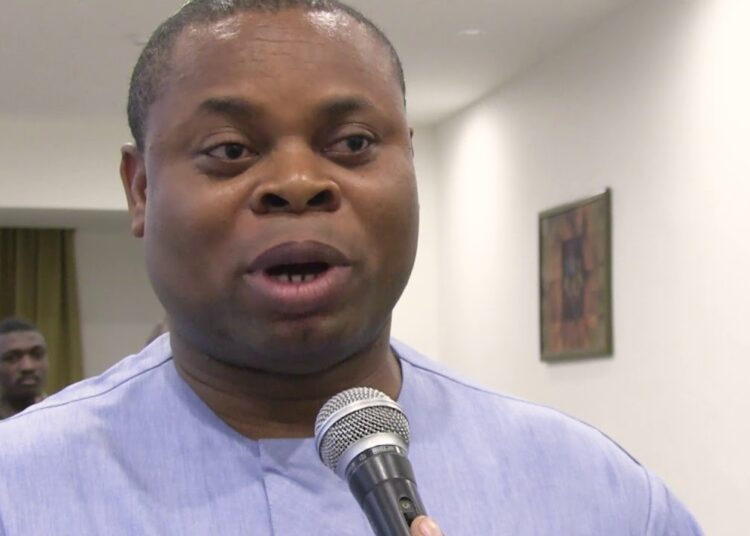
Founding President of the IMANI Centre for Policy and Education, Franklin Cudjoe, has called on leading engineering companies to join the government’s ongoing post-flood cleanup operations, arguing that restoring wetlands and removing illegal structures require broader technical capacity than military intervention alone can provide.
His proposal follows recent findings presented by the Greater Accra Resilient and Integrated Development (GARID) Project Coordinator, Dr. Kwadwo Ohene Sarfoh, who detailed how years of encroachment on wetlands, streams, and drainage basins have significantly increased flood risks across Greater Accra.
Reacting to a video documenting the extent of the environmental degradation, Mr Cudjoe said the destruction of wetlands reflects years of weak enforcement, poor planning, and official failures that have allowed illegal development to flourish.
Wetlands Filled to Create Building Land
Mr Cudjoe referenced explanations provided by Dr. Sarfoh during a news conference organised by the Flood Mitigation Taskforce. According to Dr. Sarfoh, developers have repeatedly imported solid waste into wetlands and drainage basins to reclaim land for future construction.
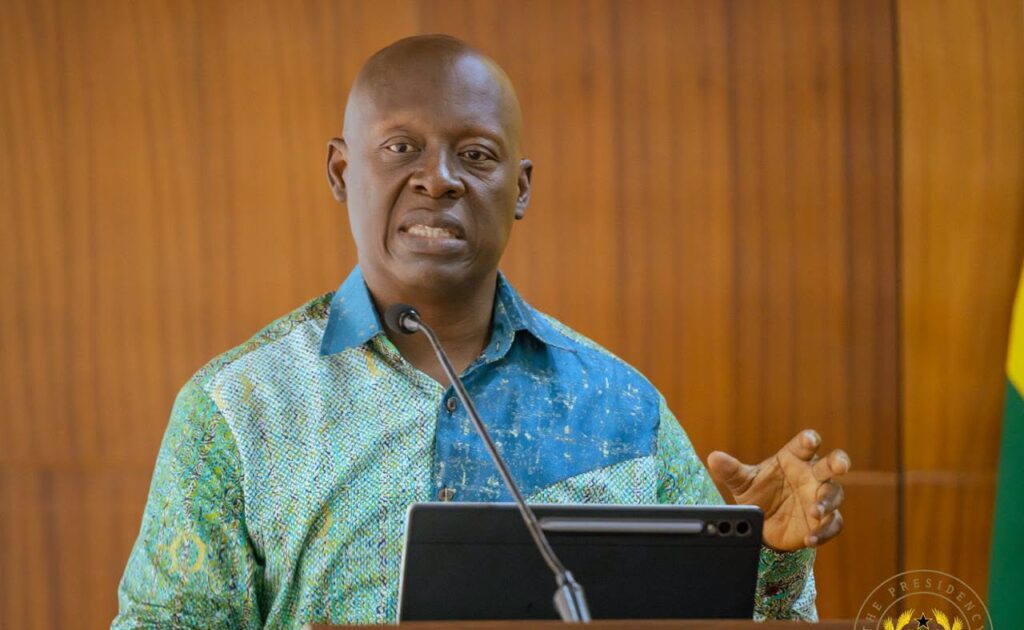
The process involves filling natural water retention areas during the dry season before gradually erecting permanent structures once the land stabilises. The practice, he explained, has steadily reduced the capacity of wetlands and streams to absorb excess runoff during periods of heavy rainfall.
Mr Cudjoe said the findings raise serious concerns about how such developments have been allowed to continue over many years. “And I ask, how is this not indiscipline aided by weak enforcement of building codes and corruption?” he questioned.
He argued that the continued occupation of wetlands and waterways points to systemic failures in enforcing planning regulations and protecting environmentally sensitive areas.
Army’s Role Should Be Expanded
While acknowledging the government’s decision to deploy the Ghana Armed Forces to support post flood operations, Mr Cudjoe believes additional action is required to permanently address the underlying causes of flooding.
“We first need the Army, which has already been engaged by the government, alongside citizen vigilantes, relevant Civil Society voices, and relentless public education, to remove all illegal structures without favour or fear”.
Franklin Cudjoe, Founding President of IMANI Centre for Policy and Education
Mr Cudjoe argued that the reclaimed lands should be restored to their original ecological condition to improve flood resilience and reduce future disaster risks.

He further suggested that authorities should recover the costs of restoration from both those who illegally constructed buildings and public officials who permitted such developments.
GARID Funds Could Support Demolition Works
The Chief Executive Officer of IMANI Centre for Policy and Education also proposed redirecting part of the remaining GARID Project resources toward financing large-scale demolition and restoration works.
According to him, the Ministry of Finance has strengthened oversight of the remaining project funds, creating an opportunity to renegotiate how portions of the financing are utilised. He stressed that the proposed reallocation would remain consistent with the project’s objective of reducing flood risks across Greater Accra.
“I’m not sure GARID alone can fix this, but a good portion of the remaining GARID funds, currently better guarded and managed by the Finance Ministry, could be renegotiated for removing these obstructive structures”.
Franklin Cudjoe, Founding President of IMANI Centre for Policy and Education
The suggestion comes amid ongoing discussions about ensuring that remaining GARID resources are focused primarily on flood mitigation infrastructure and environmental restoration.
Private Engineering Firms Could Accelerate Recovery
Beyond military operations, Mr Cudjoe believes experienced private engineering companies can make a significant contribution to the cleanup exercise. “We could ask leading engineering companies such as Maripoma and E and P to help, and the state could pay them subsidised amounts from GARID,” he proposed.

According to him, combining military resources with private sector engineering expertise could accelerate recovery efforts while improving the quality and efficiency of restoration works.
The proposal reflects growing calls for broader collaboration between government institutions and private industry in addressing the recurring flooding challenges facing Greater Accra.
Focus Spending on Flood Prevention
Mr Cudjoe also questioned how portions of the GARID Project were utilised in previous years. He argued that directing resources toward environmental restoration and demolition of illegal developments would produce a greater public benefit than expenditure on administrative activities.
“This would be a better use of GARID funds than paying $22 million for ‘financial management training’ and ‘capacity building’ for already experienced Chief Finance, Accounting, and Management officers”.
Franklin Cudjoe, Founding President of IMANI Centre for Policy and Education
His remarks reinforce his broader position that available resources should now be concentrated on practical interventions capable of delivering lasting flood protection.
Long Term Enforcement Remains Critical
Mr Cudjoe’s intervention adds to growing public debate over how Ghana should respond to recurring flooding following recent disasters that affected thousands of residents across Greater Accra.
While emergency response and relief operations remain important, he argued that sustainable flood prevention depends on decisive enforcement of planning regulations, restoration of wetlands, and accountability for illegal development.

He maintained that combining military operations, private engineering expertise, stronger law enforcement, and public education offers a more comprehensive path toward reducing flood risks.
For Mr Cudjoe, restoring the natural drainage systems that have been steadily lost over decades may prove essential if future flooding is to be prevented rather than simply managed after disasters occur.
READ ALSO: MIIF in ‘Solution Market’ as Global Exploration Budgets Faces Downturn