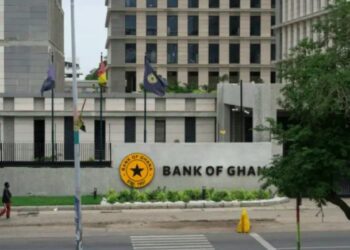
Ghana’s domestic debt market has once again demonstrated strong investor confidence, but the latest treasury bills auction has also revealed a growing challenge for the government.
Despite receiving bids worth more than GH¢4.16 billion, authorities accepted only GH¢3.16 billion, leaving more than GH¢1 billion in bids on the table as interest rates continued their upward march.
The latest auction results released by the Bank of Ghana show that investors remain eager to lock in government securities, even as borrowing costs steadily increase. However, the government’s decision to reject a significant portion of the bids signals a careful balancing act between raising funds and controlling the cost of domestic borrowing.
Investors Show Strong Appetite for Government Securities
Demand for treasury bills remained robust during the latest auction, reflecting sustained investor confidence in government-backed securities.
The government attracted bids totaling GH¢4.16 billion against an intended target of GH¢3.37 billion, resulting in an oversubscription rate of approximately 23.4 percent. This means investors were willing to lend substantially more money to the government than initially required.
Despite the overwhelming demand, only GH¢3.16 billion worth of bids were accepted, suggesting authorities were unwilling to absorb all the funds at the prevailing interest rates.
The outcome reflects a cautious borrowing strategy as government seeks to manage financing needs without placing excessive pressure on future debt servicing obligations.
364-Day Bill Dominates Investor Interest
As has become a recurring trend, the 364-day treasury bill emerged as the most attractive investment option during the auction.
Investors submitted bids totaling GH¢1.85 billion for the one-year instrument, accounting for about 44.5 percent of all bids received.
However, the government accepted only GH¢1.09 billion of those bids, leaving a significant amount unaccepted.
The strong preference for the longer tenor suggests that investors are seeking to secure higher returns over an extended period, especially as expectations of rising interest rates continue to shape investment decisions.
Strong Demand Across All Tenors
The 91-day treasury bill also attracted substantial interest from investors.
Bids worth GH¢1.68 billion were submitted for the short-term security, with the government accepting approximately GH¢1.63 billion. This represented the highest acceptance rate among the three instruments offered during the auction.
Meanwhile, the 182-day bill received bids totaling GH¢618.90 million. Out of this amount, about GH¢435.82 million was accepted.
The broad-based demand across all maturities indicates that investors continue to view treasury bills as one of the safest investment options in Ghana’s financial market.

Interest Rates Continue Their Upward Trend
While investor demand remained impressive, borrowing costs also continued to rise.
The yield on the 91-day treasury bill increased by 14 basis points to 5.87 percent.
The 182-day bill also recorded an increase, with its yield rising from 7.69 percent in the previous auction to 7.78 percent.
Similarly, the yield on the 364-day bill climbed by 10 basis points to 12.92 percent.
The steady increase in yields reflects investors’ demand for higher compensation amid prevailing economic conditions and expectations regarding inflation, liquidity, and future monetary policy.
For the government, rising yields translate into higher financing costs whenever new domestic debt is issued.
Government Walks a Fine Line
The latest auction highlights the difficult choices facing fiscal authorities.
On one hand, the government must raise sufficient funds to finance budgetary obligations, refinance maturing debt, and support public expenditure.
On the other hand, accepting every bid at higher interest rates could significantly increase the country’s debt servicing burden over time.
By accepting only GH¢3.16 billion despite receiving bids exceeding GH¢4 billion, authorities appear to be prioritizing cost management over maximizing immediate borrowing.
Such decisions are closely monitored by investors, financial institutions, and market analysts because they provide valuable signals about the government’s borrowing strategy and fiscal discipline.
What the Results Mean for the Economy
The continued oversubscription of treasury bill auctions demonstrates that liquidity remains available within the financial system and that investors continue to regard government securities as relatively secure investments.
However, the consistent rise in yields also points to growing pressure in the domestic debt market. Higher treasury bill rates often influence borrowing costs across the broader economy, including commercial lending rates for businesses and households.
If the upward trend persists, businesses could face more expensive financing, potentially affecting investment and expansion plans. At the same time, savers and institutional investors may benefit from improved returns on government securities.
The latest auction therefore presents a mixed picture. Strong investor appetite reflects confidence in the government’s ability to meet its obligations, while rising yields underscore the increasing cost of accessing domestic financing.
As Ghana continues to navigate its fiscal recovery and manage public debt, future treasury bill auctions will remain an important indicator of investor sentiment, government financing strategy, and the direction of domestic interest rates.
READ ALSO: Government of Ghana Settles $700m Eurobond Debt Ahead of Schedule