Former British Prime Minister, Sir Tony Blair has offered a candid assessment of the challenges awaiting Andy Burnham as the Labour leader-in-waiting prepares to enter Downing Street, warning that public popularity is often fleeting and that governing the United Kingdom requires difficult choices that can quickly erode political goodwill.
After gaining the support of an overwhelming majority of Labour MPs and essentially paving the way for an uncontested leadership victory following Keir Starmer’s resignation, Andy Burnham is generally anticipated to become Labour leader and the nation’s next prime minister.
Burnham joins national leadership with considerable public support, having built his political comeback on broad popularity, especially in northern England where he was dubbed the “King of the North” when serving as Mayor of Greater Manchester.
However, Blair warned that popularity and electoral triumph are rarely long-lasting.
“I think you may think you’re going to be loved, but you’re not going to be,” Tony Blair conveyed to Burnham.
The former Labour leader’s judgement is based on lessons learned from ten years in office, when his administration had enormous popularity before coming under increasing fire for things like domestic policy, public service reforms, and Iraq. Despite the euphoria surrounding his expected arrival in office, his remarks indicate Burnham could anticipate similar political challenges.
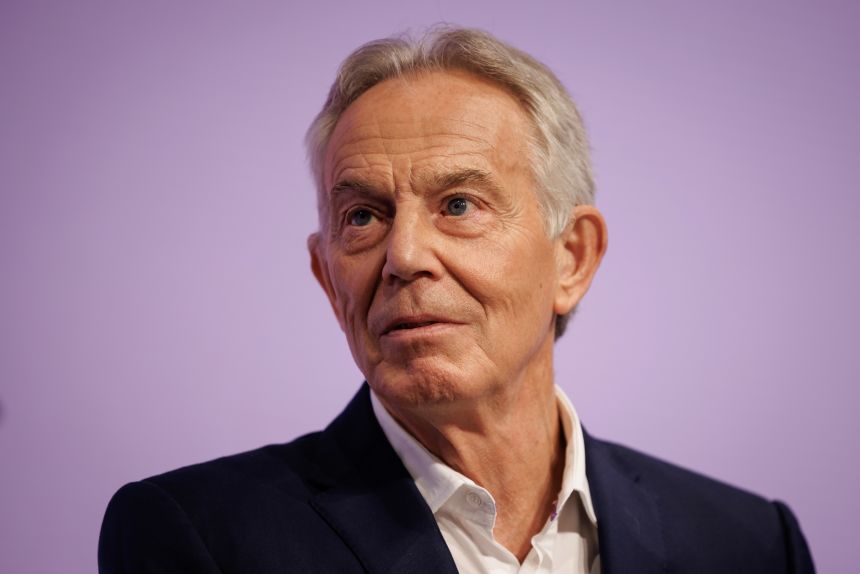
Blair, who described Burnham as someone who has kept a sincere connection with common people throughout his career, expressed confidence in Burnham’s leadership abilities and political instincts despite the warning.
“I wish Andy well. I hope he succeeds. It’s important for the country he succeeds. And actually, as a colleague, he was great as well.”
Tony Blair
Blair went on to praise Burnham’s ability to connect with communities, arguing that authenticity remains one of the defining characteristics separating successful politicians from those who merely project empathy.
“Andy’s got a very sure political touch. He’s a genuinely people person. You know, he’s interested in people. I mean, it’s one of the things that distinguishes politicians.
” I think over time, when you get to know them, is that all politicians have got to pretend to be interested in people. But you know, you do come across politicians that love humanity in general.”
Tony Blair
The fact that one of Labour’s most electorally successful leaders has endorsed Burnham is likely to reinforce the idea that the party’s many factions support him. But Blair also made it plain that leading Britain in the current global environment will require far more than popularity at home.
Blair Urges Strong US Alliance, Questions Net Zero Pace
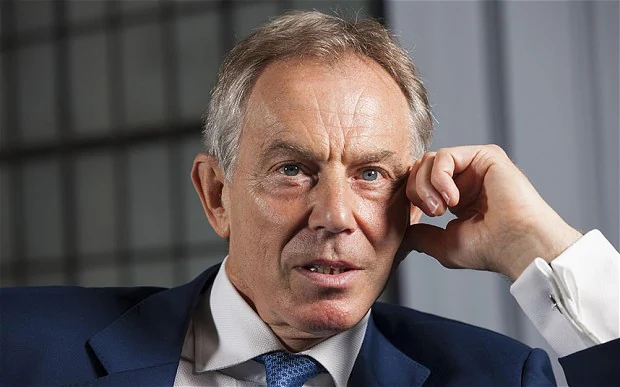
Beyond domestic politics, Blair contended that, regardless of who holds the White House, one of Burnham’s most important duties will be to protect Britain’s long-standing alliance with the United States.
Blair emphasised that Britain’s strategic relationship with Washington should continue to be a key pillar of its foreign policy as Europe faces increased security risks related to Russia’s prolonged war in Ukraine, even if he declined to offer specific advice on dealing with US President Donald Trump.
“The thing that’s important for me, though, is the American relationship, and that’s important for a very, very specific reason, and it’s not a very popular thing to say, but I do think it’s important to say it, which is that we are entering a much more uncertain period.”
Tony Blair
Although Blair stated that he did not personally think Russian President Vladimir Putin would invade another European nation, he maintained that given Russia’s conduct in Ukraine, the possibility could not be ruled out.
Furthermore, Blair highlighted the conflict’s “extraordinary human cost” by pointing out that Russia has recently seen daily military casualties greater than the total number of British soldiers killed in the wars in Iraq and Afghanistan throughout his tenure as prime minister.
“If you think you’ve got the mentality of someone who’s prepared to lose that number of people, you are not dealing with a mentality that’s Western European.”
Tony Blair
He argued that the prospect of a wider European conflict reinforces the importance of preserving Britain’s close defence partnership with the United States.
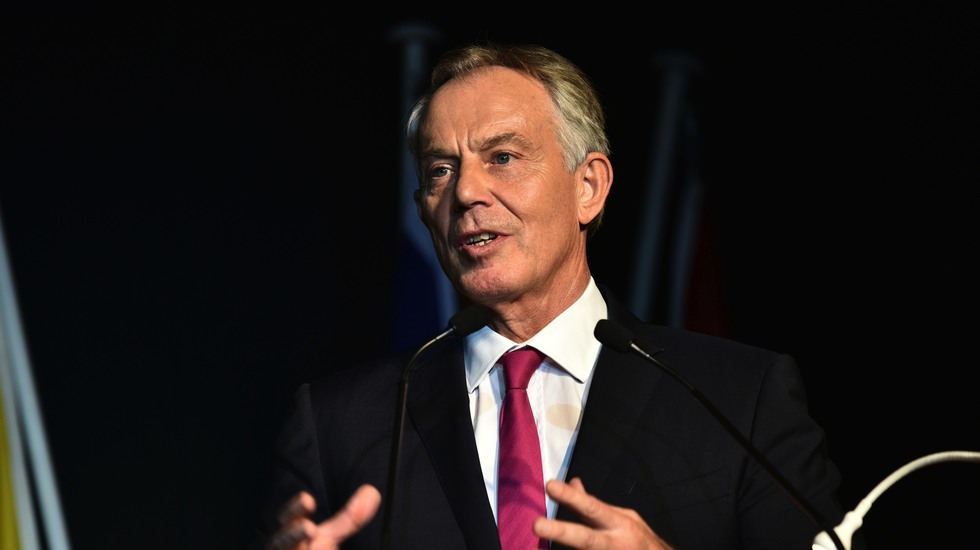
“So if that is true, and we have to prepare for the possibility that there is a full-scale war in Europe, how do we win that war without America? So, to me, it’s not about Trump or not Trump. It’s about the American relationship.”
Tony Blair
Blair also drew historical parallels between the First and Second World Wars, pointing out that the United States entered both wars only after protracted debate and pointing out that the political slogan associated with President Trump today is named after the “America First” movement, which opposed intervention during the Second World War.
Along with discussing economic policy and Britain’s shift to greener energy, the former prime minister gave a calm assessment of the government’s present strategy for reaching net zero emissions.
Blair reiterated his conviction that renewable energy is the way of the future, but he warned that if economic realities are ignored, the speed at which current climate laws are being implemented could put British companies at a competitive disadvantage.
“We’re penalising our own businesses at the moment with this, and we can’t afford to do that. It’s as simple as that. And I don’t, you know, it’s not that I disagree with having the ambition over time to move to net zero.”
Tony Blair
As Burnham gets ready to form his government, Tony Blair’s remarks are likely to have an impact on Labour, especially in light of rumours that Energy Secretary Ed Miliband may be a key figure in determining the economic agenda of the incoming administration.
Blair’s intervention underscores the delicate balancing act that awaits the next prime minister: upholding Labour’s climate action commitments while preserving economic competitiveness, fortifying Britain’s security alliances in the face of escalating geopolitical tensions, and converting strong personal popularity into efficient governance.
READ ALSO: Lamine Yamal Predicts France To Be Spain’s Toughest Opponent Yet