Stakeholders from Ghana and Burkina Faso have renewed calls for stronger cross-border cooperation to safeguard the Volta Basin, arguing that the future of energy security, food production and water availability in the sub-region will depend on integrated planning rather than fragmented sectoral policies.
The discussions took place under the European Union-funded EPIC Africa Project, which brought together policymakers, researchers, regulators and development practitioners to examine how the basin can continue supporting hydropower generation, agriculture and livelihoods amid mounting climate pressures.
For Ghana, the dialogue comes at a time when the country is pursuing an ambitious energy transition agenda while relying heavily on the Volta Basin to sustain hydropower generation, irrigation and industrial development.
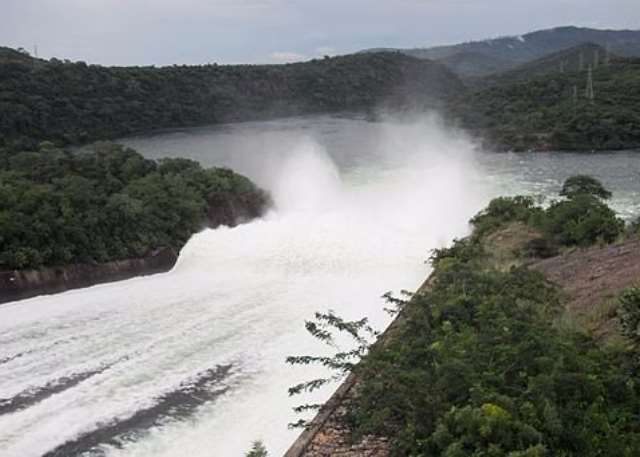
The basin underpins electricity supply through major hydropower infrastructure, supports agricultural production across several regions and serves as a shared resource for multiple West African countries, making its long-term management an increasingly important policy issue.
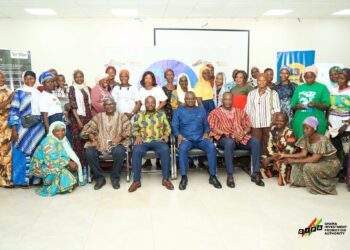
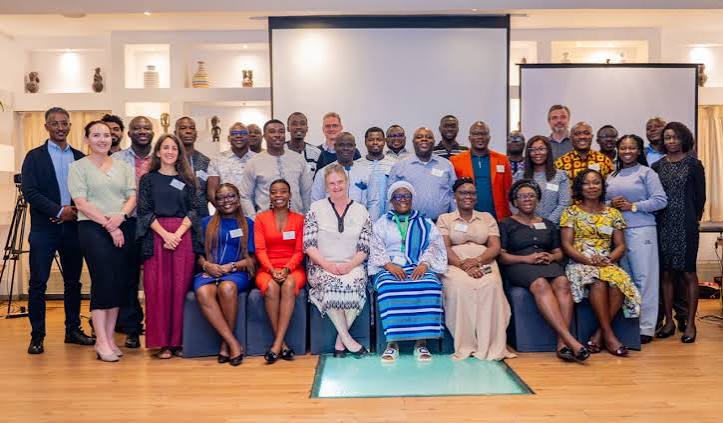
Hosted in Accra, the Second National Stakeholder Workshop on the Water-Energy-Food (WEF) Nexus under the EPIC Africa Project attracted participants from Ghana, Burkina Faso, Kenya, the Netherlands, Sweden and Belgium. Institutions including the Bui Power Authority, Volta Basin Authority, National Development Planning Commission (NDPC), Water Resources Commission and the International Water Management Institute participated in discussions aimed at identifying practical approaches to balancing competing demands for water, energy and food resources.
Volta Basin at the centre of Ghana’s energy future
Although discussions centred on the broader Water-Energy-Food nexus, energy security featured prominently because of the Volta Basin’s strategic role in Ghana’s electricity system.
Hydropower generated from the basin remains one of the country’s major sources of renewable electricity, while the same water resources support irrigation, fisheries, transportation and domestic water supply.
The workshop, which the Ghana News Agency reported, examined how future infrastructure decisions, including hydropower, solar energy, wind energy and irrigation investments, can be coordinated to minimise conflicts between competing uses while improving climate resilience.
Researchers argued that infrastructure planning must increasingly reflect changing rainfall patterns, population growth and rising energy demand rather than relying solely on historical development models.
The discussions also come as Ghana continues investing in renewable energy expansion, battery storage and cleaner power generation under its broader energy transition strategy.
Better management of shared water resources is expected to complement these efforts by protecting existing hydropower assets while supporting future renewable energy development.
The basin supports hydropower generation, drinking water supply, irrigation, industry, fisheries, transportation and livelihoods. It is also a shared water resource among several West African countries, making equitable and sustainable management essential.
Dr Edo Abraham, Coordinator, EPIC Africa Project and Head of the Water Systems Engineering Section, TU Delft
Planning beyond political cycles
A recurring message throughout the workshop was that long-term infrastructure planning should be driven by national development priorities rather than changing political agendas.
Participants noted that climate change, population growth and increasing pressure on natural resources require governments to adopt planning frameworks extending beyond electoral cycles, particularly where large-scale investments in energy, agriculture and water infrastructure are concerned.
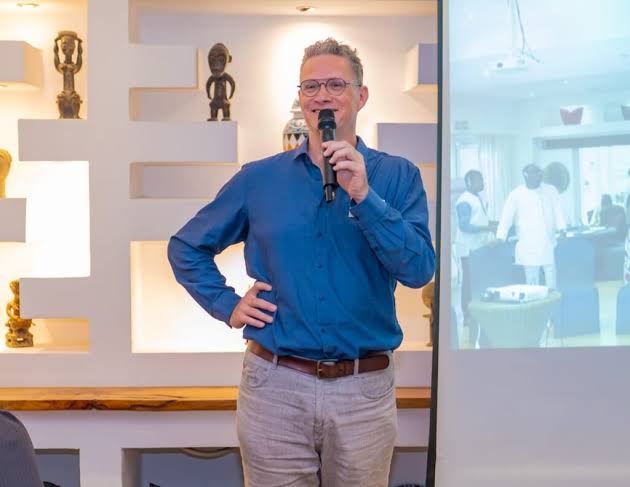
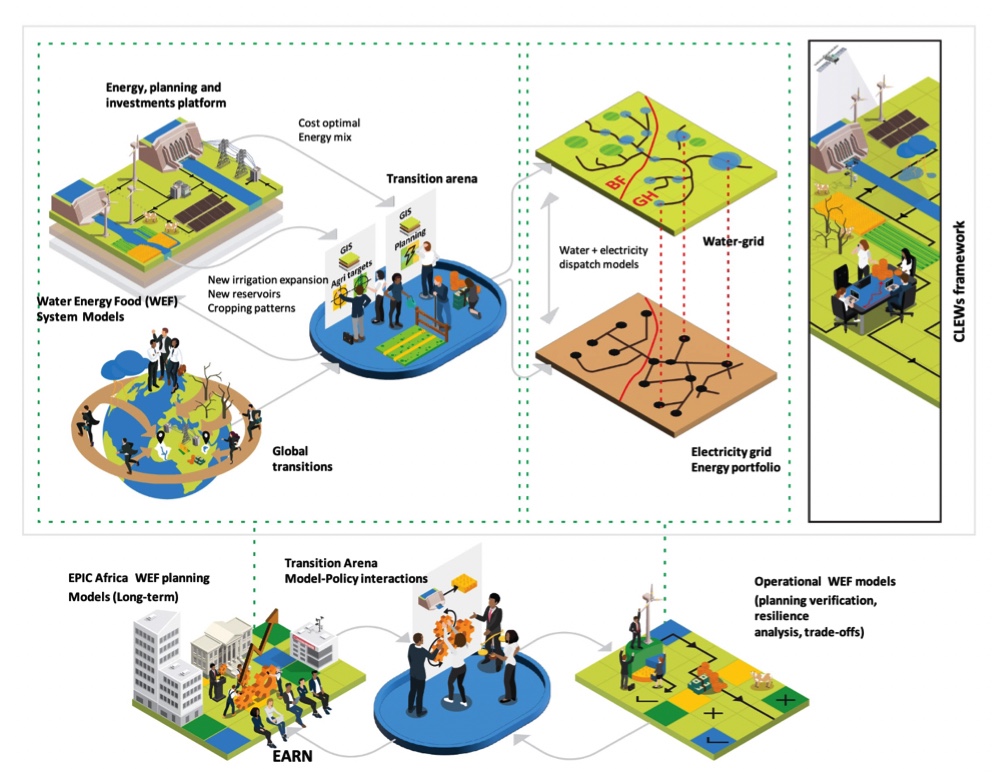
The EPIC Africa Project promotes what organisers describe as “transition spaces”, structured dialogues that allow communities and stakeholders to contribute directly to future infrastructure planning.
Rather than relying exclusively on top-down planning, the project incorporates citizens’ aspirations into modelling exercises that assess where future investments should be prioritised.
According to project coordinators, this approach enables planners to identify infrastructure options that respond to local development priorities while remaining technically and economically viable.
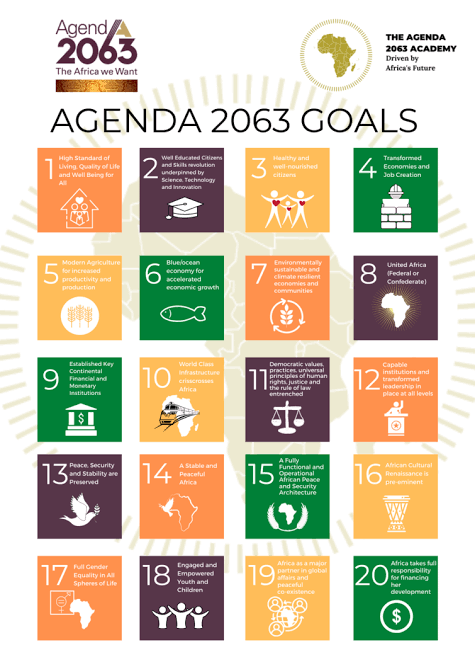
The work of EPIC deals with that subject, of long term infrastructural transitions that are sustainable and legitimate that people want, looking towards the Agenda 2063 of the Africa we want, and scale down to the Ghana we want and to the Volta Basin we want.
Dr Edo Abraham, Coordinator, EPIC Africa Project
Researchers explained that modelling tools developed under the initiative can assess where future investments, including solar power facilities, battery storage systems and electricity infrastructure, would deliver the greatest long-term benefits.
Regional cooperation becomes increasingly important
Because the Volta Basin is shared by several West African countries, speakers stressed that sustainable management cannot be achieved through isolated national policies.
The basin extends across Ghana, Burkina Faso, Togo, Côte d’Ivoire and Benin, with Ghana and Burkina Faso accounting for the largest share of its land area.
Decisions made upstream therefore have direct implications for downstream countries, particularly in relation to water availability, hydropower generation and agricultural production.
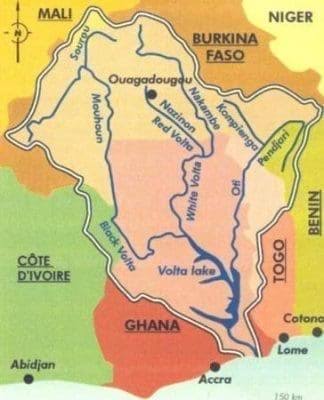
The workshop therefore emphasised stronger scientific collaboration alongside closer institutional coordination between countries sharing the basin.
Participants also discussed how integrated governance could improve investment decisions by ensuring that future energy, agricultural and water projects complement rather than compete with one another.
This aligns with broader regional conversations around energy security, particularly as West African countries seek to diversify electricity generation while adapting to increasingly unpredictable climatic conditions.
Supporting Agenda 2063 through integrated infrastructure
The EPIC Africa Project forms part of a broader European Union-funded research initiative examining sustainable Water-Energy-Food pathways across sub-Saharan Africa. Ghana, Burkina Faso and Kenya serve as the project’s principal case-study countries, focusing respectively on the Volta and Tana river basins.
Beyond technical discussions, organisers said the project’s objective is to generate evidence capable of informing national policies and supporting implementation of the African Union’s Agenda 2063.
Researchers argued that infrastructure investments should increasingly be evaluated not only on economic returns but also on their contributions to food security, environmental sustainability and energy resilience.
Our models in EPIC Africa allow us to represent such choices and visions of people in Ghana and analyse them spatially, like where should you build a new solar utility, where should you build a transformer station and battery storage system, and how much will that cost.
Dr Yves De Weerdt, Research Coordinator, Transition Space, VITO Nexus, Belgium
For Ghana, the workshop reinforces a growing recognition that protecting the country’s energy future extends beyond adding generation capacity.
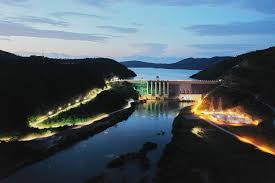
Sustaining hydropower production, expanding renewable energy and strengthening climate resilience increasingly depend on how effectively shared natural resources such as the Volta Basin are managed.
As Ghana advances its clean energy ambitions alongside industrialisation goals, the discussions suggest that integrated planning across water, energy and food systems will become an increasingly important component of national energy policy, while closer cooperation with neighbouring countries may prove essential to safeguarding one of West Africa’s most strategic shared resources.
READ ALSO: Ghana Banks Must Reinvent or Risk Profit Collapse