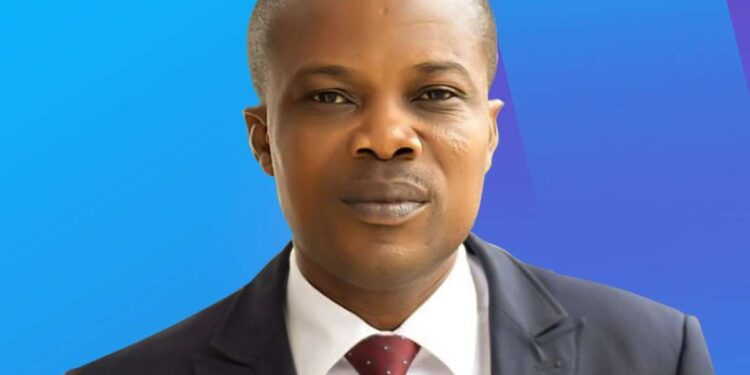
Security Consultant Richard Kumadoe has argued that political actors, not EOCO, deserve blame for the confusion surrounding recent high-profile arrests, insisting the agency has followed proper procedure throughout its investigations. Mr Kumadoe made the remarks during the closing segment of an exclusive interview with The Vaultz News addressing political criticism directed at EOCO.
Asked whether the current approach to prosecuting high-profile financial crime cases is strengthening public trust in state institutions such as EOCO and the BNI, Mr Kumadoe expressed frustration with what he described as contradictory public commentary surrounding these prosecutions.
He argued that public discourse often shifts inconsistently between demanding prosecution of corrupt officials and later criticising state agencies for pursuing those very prosecutions, seemingly depending on the political affiliation of the accused.
He posed a direct question to illustrate what he saw as a double standard in public reaction to these cases. “If you are a politician and you commit fraud, should we not take the money from you? Should you not be prosecuted? You should,” he said.
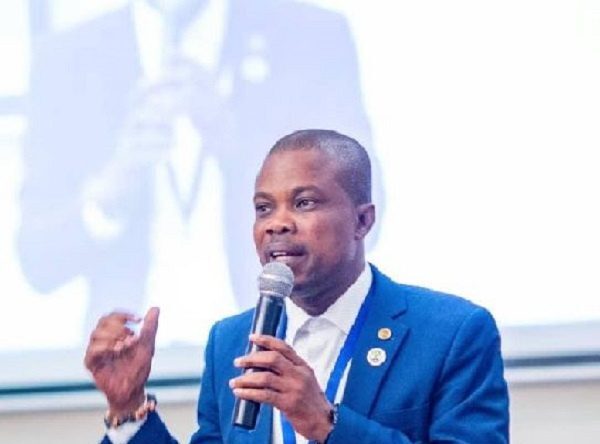
Mr Kumadoe suggested that instead of engaging seriously with the substance of these cases, public conversation often drifts toward less consequential concerns, comparing Ghana’s situation to how citizens in countries such as the United States typically respond when approached by law enforcement over an active investigation.
“I think the reasonable course is to speak to your lawyer,” he said, describing cooperation with investigators as the standard expectation once an individual becomes the subject of a formal probe.
He argued that until public discourse around these cases becomes more consistent and grounded in reasoned engagement rather than shifting positions, trust in state institutions would remain difficult to build.
Political Interference, Not EOCO, Drives the Cycle
Turning to concerns raised by legal analysts about political interference from both major parties compromising the independence of Ghana’s anti-graft agencies, Mr Kumadoe firmly rejected the idea that EOCO itself was responsible for this cycle, instead placing the blame on political actors who he said misrepresent the agency’s conduct publicly.
“No, but it’s not caused by EOCO. It’s not caused by the politicians. So, get them arrested and prosecute them,” he said, referring to those he believes are responsible for distorting public perception of EOCO’s work.
To support his argument, the former Special Officer with the Bureau of National Investigation referenced the treatment of Chairman Wontumi during his arrest, pointing to the cooperation EOCO extended to his legal team as evidence of the agency’s professionalism rather than misconduct.
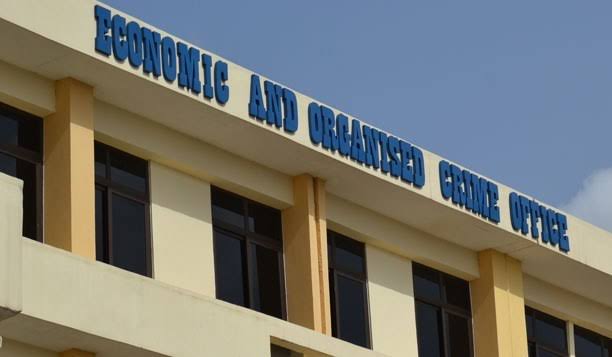
He also addressed the arrest of Dennis Miracles Aboagye, questioning claims that EOCO had violated confidentiality by publicising the arrest. According to Mr Kumadoe, EOCO did not initially disclose the arrest to the public, since it occurred at the airport without any official statement from the agency beforehand.
He argued that public knowledge of the arrest came instead from political commentary rather than any official EOCO disclosure, and that the agency’s subsequent statement merely confirmed a situation already circulating in public discourse.
Mr Kumadoe further noted that Aboagye had visited EOCO’s offices on multiple occasions prior to his arrest, and that his legal team, along with his family, remained fully aware of the reasons behind the investigation throughout the process.
Buffer Stock Case Also Raised
Mr Kumadoe extended his defence of EOCO to the case involving the former Buffer Stock Company boss, who was also arrested at the airport. He referenced media commentary confirming that a discrepancy arose regarding one of the documents presented during the bail process.
Mr Kumadoe closed his remarks by reiterating that anyone who believes EOCO has acted illegally or outside standard procedure has a clear and appropriate path to challenge such conduct.
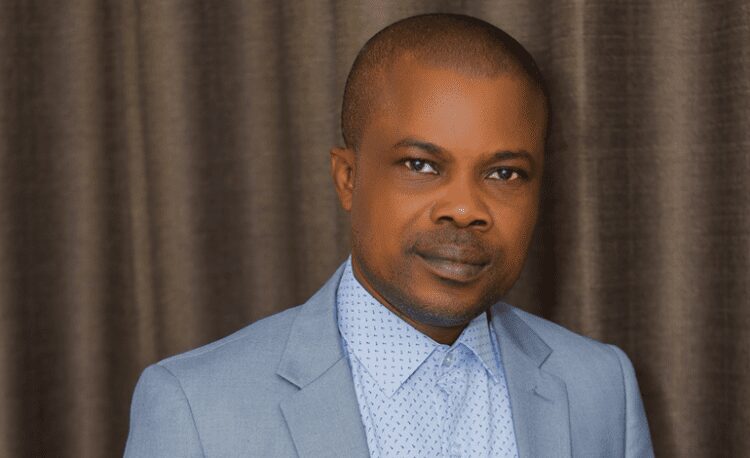
“If you think they’ve done something that crosses the line or that is illegal and is not in line with standard procedure, go to court, and that is the reasonable course of action”.
Security Consultant Richard Kumadoe
Mr Kumadoe’s closing remarks reinforce a consistent theme running through his broader interview with The Vaultz News, positioning EOCO’s conduct as procedurally sound while attributing much of the public confusion and criticism surrounding its work to political actors rather than the agency itself.
His comments add a pointed institutional defence to an ongoing national debate over accountability, due process and the political pressures shaping public perception of Ghana’s anti-corruption enforcement efforts.
READ ALSO: Political Scientist: Burnham’s Economic Agenda Hinges on Growth and Fiscal Discipline