The timing of the Confederation of African Football’s (CAF) decision to double the winner’s prize money for the TotalEnergies Women’s Africa Cup of Nations (WAFCON) is no coincidence.
With the tournament set to kick off in Morocco this weekend, CAF has chosen to send a powerful message that women’s football is no longer viewed as an afterthought but as a major pillar of the game’s future on the continent.
Rather than simply announcing bigger financial rewards, CAF has positioned the increase as part of a broader commitment to accelerating the growth of the women’s game. The champions will now receive USD 2 million, a 100 percent increase from the previous edition, while the overall prize fund has risen by 67 percent to USD 5.8 million.

The financial improvements extend beyond the eventual winners. The runners-up will earn USD 750,000, third place will also receive a significant increase, and each of the 16 participating teams is guaranteed USD 150,000 in participation funding. Those figures provide greater financial security for national associations and acknowledge the growing quality and competitiveness of the tournament.
The investment also reflects how far WAFCON has evolved. What was once an eight-team competition has expanded into a 16-nation championship with rising television audiences, improved commercial partnerships and increasing global attention.
Morocco’s hosting of the tournament for the second consecutive edition further demonstrates the stability and ambition surrounding the competition.
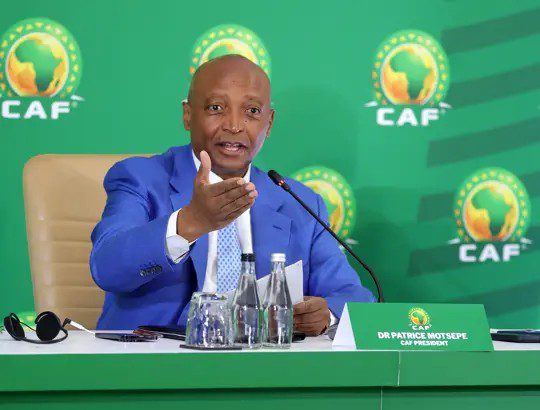
CAF President Patrice Motsepe believes the progress extends beyond one tournament.
“CAF is making enormous progress in developing and growing men and women football in Africa and making it amongst the best in the world. We remain confident that an African nation will be Champions of the FIFA World Cup.”
Dr. Patrice Motsepe, President of CAF
His remarks highlight a philosophy that sustained investment today can translate into greater competitiveness tomorrow, not only at continental level but also on the global stage where African women’s football continues to gain respect.
More Than a Financial Reward
Prize money often attracts headlines, but its real value lies in what it can create after the tournament ends. For many African football associations, increased earnings can be channelled into youth development, coaching education, improved medical support and stronger domestic women’s leagues.
The increase could also encourage governments and private sponsors to view women’s football as a worthwhile investment rather than a social responsibility project.
As financial returns grow, so too does the commercial appeal of the game, creating opportunities for clubs, players and broadcasters alike.
CAF’s figures illustrate the scale of the transformation. Since the current leadership assumed office, the winners’ prize has increased by an astonishing 900 percent, from USD 200,000 to USD 2 million, while the total prize fund has grown from USD 975,000 to USD 5.8 million. Such growth would have been difficult to imagine just a few years ago.
Can Greater Investment Finally Close the Gap on Nigeria?
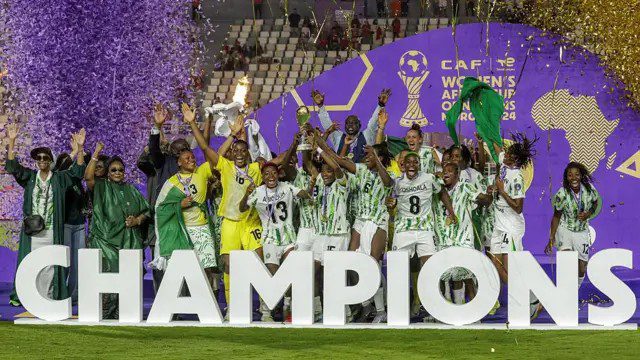
For all the progress WAFCON has made, one statistic continues to define its history. Nigeria’s Super Falcons have won 10 of the tournament’s 13 editions, establishing one of the greatest dynasties in African sport.
Only Equatorial Guinea, who won in 2008 and 2012, and South Africa, champions in 2022, have managed to deny Nigeria the continental crown. That dominance has often reflected the difference in football structures, player development and long-term investment between Nigeria and many of their rivals.
While several countries have produced talented players, few have consistently built the systems required to challenge the Super Falcons over an entire tournament.
CAF’s increased prize money could begin to narrow that gap.
Greater financial rewards provide national associations with stronger incentives to invest in women’s football, knowing that success now brings more meaningful returns. Federations that previously viewed the women’s game as a financial burden may now see it as an investment capable of delivering sporting and commercial value.
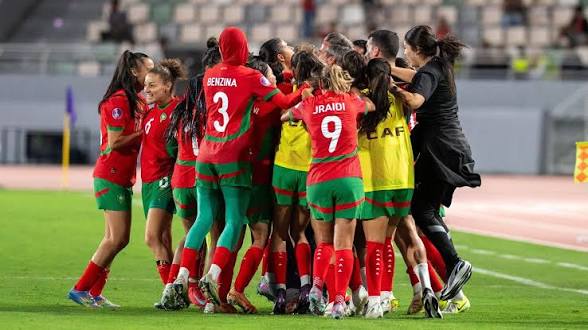
Morocco offers perhaps the clearest example of what sustained investment can achieve. The hosts transformed their women’s football programme in recent years through improved infrastructure, professional league development and stronger grassroots initiatives.
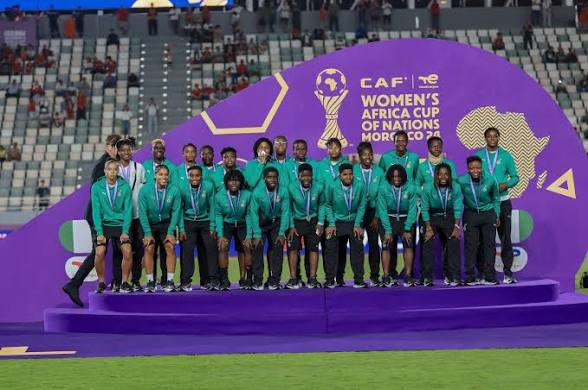
Those efforts culminated in a historic run to the 2024 WAFCON final on home soil.
Although Morocco eventually lost 3-2 after taking a two-goal lead, their performance demonstrated that Nigeria’s dominance is no longer untouchable.
The Super Falcons needed all their experience and resilience to overturn the deficit and secure a record-extending tenth continental title. The match served as evidence that well-planned investment can significantly reduce the gap between Africa’s traditional powerhouse and its emerging challengers.
As more countries strengthen their domestic leagues and development pathways, WAFCON could become increasingly competitive. Rather than relying on one dominant nation, the tournament has the potential to produce several genuine title contenders capable of sustaining success.
The Next Challenge Lies Beyond Morocco
Despite the encouraging progress, money alone will not guarantee sustained development. African women’s football still faces challenges ranging from inadequate domestic competitions and limited training facilities to inconsistent investment by several national associations.
The real success of CAF’s latest initiative will depend on whether federations use the additional resources to build stronger football structures rather than viewing WAFCON simply as a tournament with bigger financial rewards. Investment must continue long after the champions lift the trophy in Rabat.
There is reason for optimism. More African players are starring in Europe’s top leagues, attendance at women’s football matches continues to improve and commercial interest has steadily increased. Those developments suggest the foundations are becoming stronger.
CAF’s latest announcement is therefore about more than doubling prize money. It represents confidence in the future of African women’s football and recognition that meaningful growth requires meaningful investment.
As Morocco prepares to welcome the continent’s best teams once again, WAFCON enters not only with record prize money but also with higher expectations, greater credibility and an opportunity to redefine what success looks like for women’s football in Africa.
READ ALSO: ACEP Cautions Ghana Against Measuring Jubilee Recovery Only by Higher Production