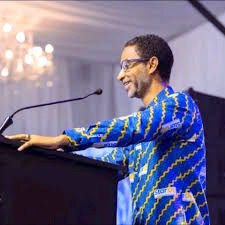
Africa’s energy transition will continue to lag behind its enormous resource potential unless governments, financiers and development institutions fundamentally rethink how energy projects are financed, Energy and Green Transition Minister Dr. John Abdulai Jinapor has warned.
Addressing the Stellenbosch Business School Alumni Association Thought Leadership Forum in Accra, the Minister argued that financing, not resource availability or technology, has become the defining obstacle preventing African countries from transforming their energy sectors into engines of industrialisation, job creation and economic growth.
His remarks shift attention from the continent’s well-known energy deficits to a less visible but increasingly critical challenge: the cost and availability of capital required to build modern energy infrastructure capable of supporting Africa’s long-term development ambitions.
Financing remains the biggest barrier to unlocking Africa’s energy potential.
Dr. Jinapor stated, stressing that coordinated investment would be essential for the continent to harness its energy resources to support technology, innovation and industrial development.
Africa’s Energy Wealth Remains Underfinanced
Africa possesses some of the world’s richest renewable and conventional energy resources.
The continent holds abundant solar irradiation, significant natural gas reserves, vast hydropower potential and growing critical mineral deposits needed for the global clean energy transition.

Yet hundreds of millions of Africans still lack access to reliable electricity while many industries continue operating below capacity because of inadequate power supply.
For Dr. Jinapor, this contradiction reflects a financing problem rather than a resource problem.
Speaking through a representative at the forum themed Technology-Powered Africa: Financing Sustainable Energy & Enterprise Transformation, the Minister said high capital costs, perceived investment risks and insufficient financing mechanisms continue to discourage the large-scale investments required to modernise Africa’s energy landscape.
He observed that while many African governments have developed ambitious energy transition plans, implementation often stalls because projects struggle to secure affordable long-term financing.
The consequence is a widening gap between policy ambition and practical delivery.
Energy Transition Requires More Than Technology
Dr. Jinapor’s intervention arrives at a time when African governments are accelerating efforts to diversify their energy mix while expanding electricity access and supporting industrial development.
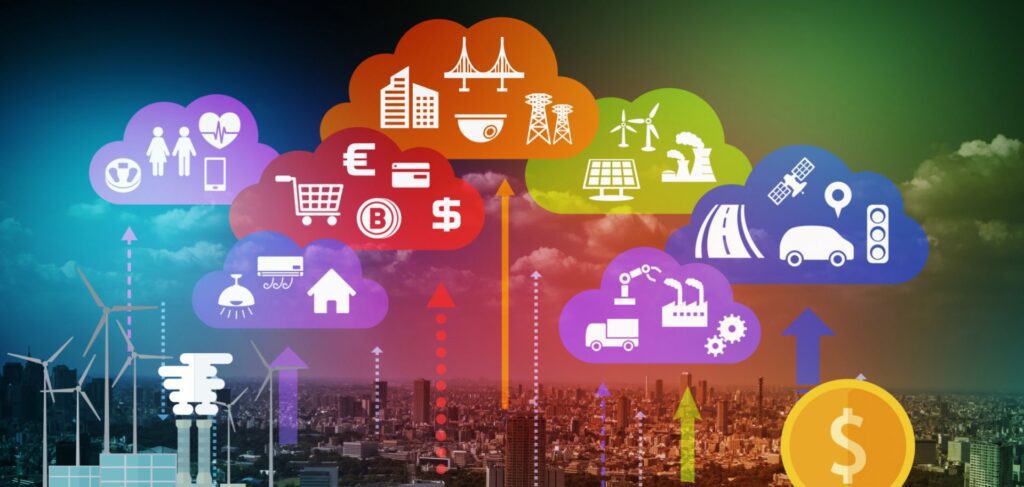
Although technological costs, particularly for renewable energy, have fallen considerably over the past decade, financing costs across many African markets remain among the highest globally.
That imbalance continues to undermine project viability.
International investors frequently cite currency volatility, sovereign risk, weak utility finances and uncertain regulatory environments as reasons for demanding higher returns before committing capital.
Those elevated financing costs are ultimately reflected in electricity tariffs, project delays and slower infrastructure expansion.
For countries seeking to industrialise, the implications extend beyond the power sector.
Reliable, affordable electricity increasingly determines manufacturing competitiveness, digital transformation, agricultural processing and broader economic productivity.
Clean Cooking Still Illustrates Africa’s Financing Gap
Beyond electricity generation, the Minister highlighted clean cooking as another area where financing constraints continue to slow progress.
Millions of households across Africa remain dependent on firewood and charcoal despite the health and environmental consequences associated with traditional cooking fuels.

The challenge is particularly evident in clean cooking, where many households continue to depend on inefficient firewood use, contributing to health problems, deforestation and waste.
Minister for Energy and Green Transition, Dr John Abdulai Jinapor
The observation reflects a broader challenge confronting many African countries.
While governments continue promoting liquefied petroleum gas, electric cooking technologies and other cleaner alternatives, affordability remains a significant barrier.
Without financing mechanisms that reduce household adoption costs, clean cooking programmes risk falling short of both climate and public health objectives.
Investment Must Become an Economic Strategy
Africa’s energy conversation has increasingly shifted from generation capacity alone to how energy can catalyse industrial transformation.
Dr. Jinapor argued that governments should treat energy investment as an economic development strategy rather than merely a social intervention.
According to the Minister, energy resources must become productive national assets capable of driving manufacturing, value addition and poverty reduction.
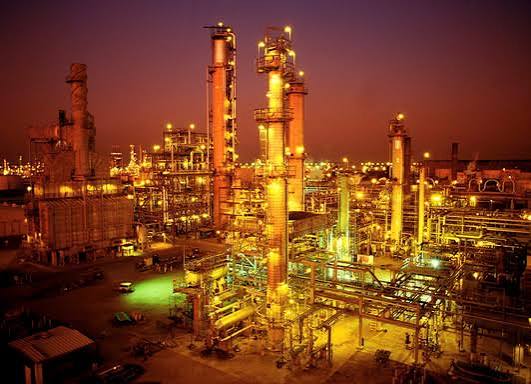
His position aligns with Ghana’s broader strategy of combining upstream petroleum development, expanded gas utilisation, renewable energy deployment and local refining to strengthen long-term energy security while stimulating industrial growth.
A report by the GNA noted that the Minister also encouraged African governments to prioritise strategic financing models capable of supporting resilient power systems and expanding regional electricity trade.
Why Financing May Define Africa’s Next Energy Chapter
The Minister’s remarks arrive amid growing international recognition that financing, not technology, is becoming the decisive factor shaping Africa’s energy future.
Solar generation costs have declined dramatically worldwide, while battery technologies continue becoming more affordable.

Yet many African projects remain difficult to finance because capital costs often exceed those in developed markets by significant margins.
That reality means identical renewable energy projects can produce electricity more cheaply in Europe or Asia than in Africa despite the continent enjoying stronger solar resources.
The financing premium therefore becomes an invisible tax on Africa’s development.
Reducing that premium will require stronger institutions, improved project preparation, more predictable regulatory environments and greater use of blended finance capable of lowering investor risk.
Development finance institutions, multilateral lenders and domestic pension funds could all play larger roles in bridging that financing gap.
Regional Cooperation May Hold the Key
Another important dimension of Dr. Jinapor’s message is the need for regional collaboration.
Energy infrastructure increasingly extends beyond national borders.
Cross-border transmission lines, regional gas markets and integrated electricity trading platforms offer opportunities for African countries to optimise available resources while improving system reliability.

The African Continental Free Trade Area (AfCFTA) similarly creates opportunities for energy infrastructure to support regional industrial value chains.
However, such projects typically require substantial upfront capital and long investment horizons.
Without coordinated financing approaches, many strategic regional projects could remain on paper rather than becoming operational assets.
Turning Potential Into Productivity
Africa’s energy debate has often focused on resource abundance.
Dr. Jinapor’s remarks suggest the conversation must now move towards financing effectiveness.
The continent already possesses much of the natural resource base required to power industrial transformation.
The more pressing challenge is mobilising affordable capital capable of converting those resources into functioning infrastructure.

For Ghana, that agenda is increasingly visible through investments in upstream petroleum production, gas infrastructure, renewable energy, battery storage systems and expanded electricity access.
Across Africa, similar ambitions are emerging.
Whether they succeed may depend less on discovering new energy resources than on creating financing systems capable of unlocking the ones already available.
As governments continue pursuing ambitious energy transition strategies, the Minister’s message serves as a reminder that investment capital, not simply policy declarations, may ultimately determine how quickly Africa closes its longstanding energy access gap while building competitive economies for the future.
READ MORE: Mahama to Host Gabonese President in Historic State Visit