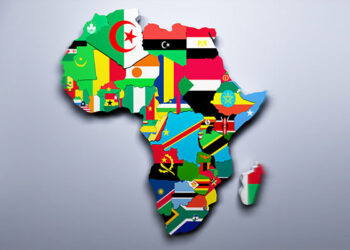
Democratic Republic of the Congo’s (DRC) escalating Ebola outbreak has renewed global health concerns over the structural and social challenges hampering efforts to contain the virus.
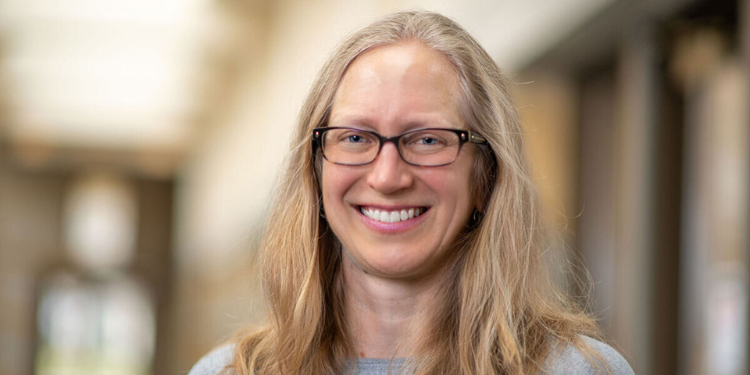
In an exclusive interview with The Vaultz News, Prof. Catherine E. Bolten, Professor of Anthropology and Peace Studies at the University of Notre Dame, warned that the worsening Ebola outbreak in the Democratic Republic of the Congo (DRC) is exposing the same failures that complicated the devastating West African Ebola outbreak some years ago.
“I’ve been following the news on it, and this is after spending the entirety of the West African Ebola outbreak, giving policy advice and practical advice about cultural standards and cultural frameworks and how to bring it under control.
“And sadly, I’m finding that it is though no lessons have been learned from one outbreak to the next, and everything that went wrong in the West Africa outbreak is also going wrong in the DRC outbreak.”
Prof. Catherine E. Bolten
According to Prof. Bolten, one of the biggest challenges facing the government and health professionals in DR Congo is the deep mistrust between communities and public health institutions, which often prevents people from accepting medical guidance during outbreaks.
“So starting with the mistrust of the public health system and of the government, any messages sent out by the government are never well received. They’re always the source of suspicion and potentially conspiracy theories.”
Prof. Catherine E. Bolten
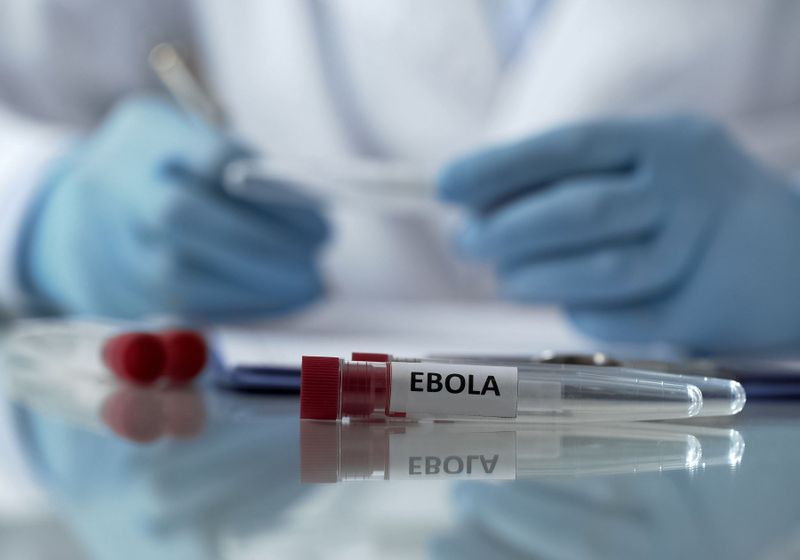
Prof. Bolten noted that the same distrust that affected Ebola containment efforts in West Africa is now being seen in DR Congo, with attacks on Ebola treatment centres and fears among communities that seeking medical attention could lead to isolation or mistreatment.
She added that some people avoid hospitals altogether because they fear being diagnosed with Ebola when they may be suffering from other illnesses.
“You have the same thing happening where because the hospitals are prioritising Ebola and everything gets kind of treated as Ebola, that people who might have a small fever decide not to go to the hospital because they’re afraid of being quarantined with Ebola.”
Prof. Catherine E. Bolten
According to her, this situation could worsen existing health challenges in the DRC, explaining that “DR Congo already has the highest infant and maternal mortality rate in the world, and so this is just going to exacerbate that crisis.”
Moreover, she added that Ebola’s impact is inextricably linked to community caregiving traditions, with women frequently bearing the brunt of the load during epidemics.
“Ebola is a disease of care and caregiving, and it’s a disease of grief. And so this falls disproportionately on women because they take care of the sick, and they’re also there to wash the bodies of the dead and prepare them for burial.”
Prof. Catherine E. Bolten
Humanitarian Crisis Complicates Outbreak Response
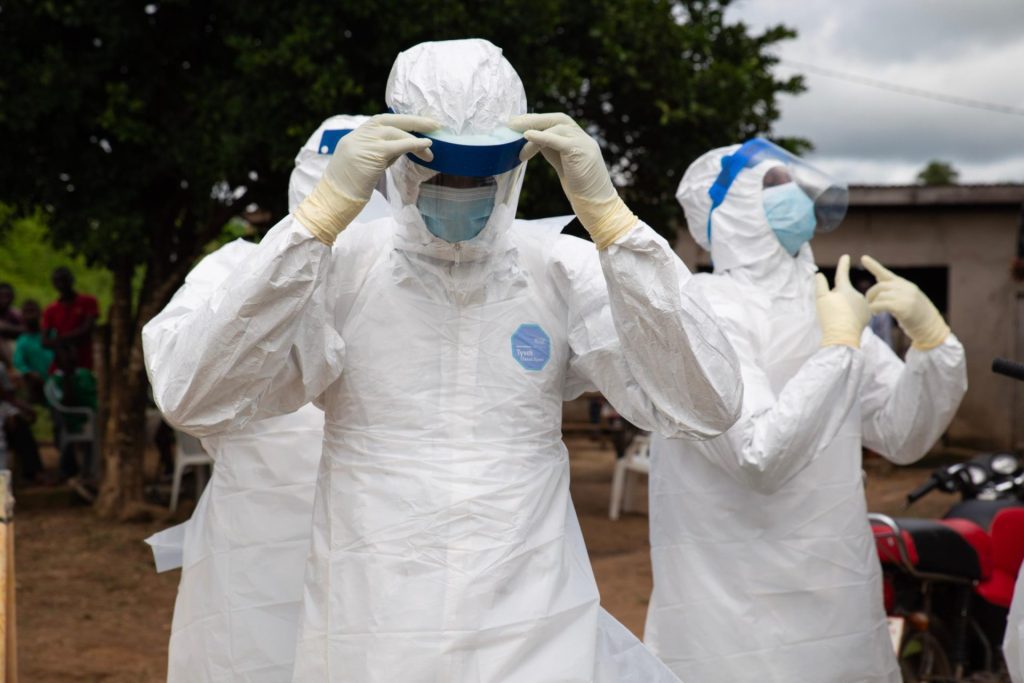
Prof. Bolten also cited the humanitarian crisis in eastern DR Congo as a crucial reason making the current outbreak more difficult to contain.
She stated that the presence of Ebola in refugee camps, where access to clean water is limited, creates conditions that may accelerate transmission.
“The biggest problem that Congo is having that is even worse than the West African epidemic is that there’s a lot of Ebola in refugee camps, and they don’t have sufficient water there.
“And so, the hand washing that really helped bring the West African epidemic under control is not happening in the refugee camps, and so that is just going to make the spread much faster.”
Prof. Catherine E. Bolten
She added that the current outbreak is particularly worrying because it involves the Bundibugyo Ebola strain, which scientists understand less compared to the Zaire strain responsible for previous major outbreaks.

Prof. Bolten explained that every transmission of the virus creates an opportunity for mutation, potentially changing the behaviour of the disease.
“The thing about Ebola is that every time it’s transmitted from one person to another person, the virus has a chance to mutate and change, and it can become more deadly. When you have a new version of the virus or a version of the virus that hasn’t been seen in a long time, it has a much bigger chance of mutating in directions that we’re not familiar with or don’t know how to deal with.”
Prof. Catherine E. Bolten
She argued that outbreaks do not become deadly solely because of viral mutations but also because of the conditions people live under, including poor nutrition, lack of clean water and weakened health systems.
“What makes Ebola deadly is that one mutation, but also in combination with the fact that in a refugee camp or in a mining enclave where people are struggling, they’re working too hard and their bodies aren’t well, and that allows the virus to do more damage.”
Prof. Catherine E. Bolten
Building Trust Is Key to Containing Ebola – Prof. Bolten
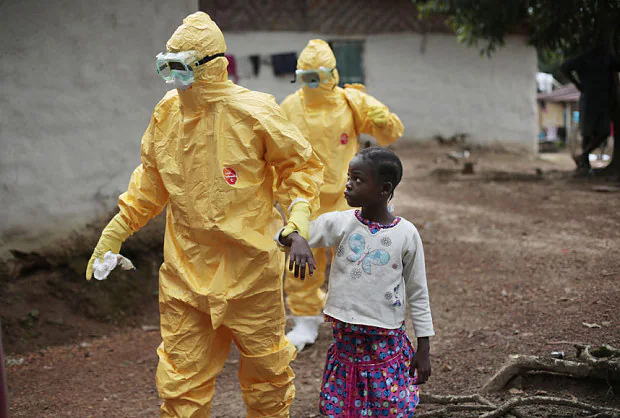
According to her, “the thing is that Ebola is 100% a disease of mistrust,” and rebuilding public trust should be at the heart of the DR Congo’s response strategy, stating that Ebola is not only a medical challenge, but also a crisis of confidence between governments and communities.
According to her, authorities can quickly increase cooperation by boosting transparency around treatment facilities and allowing families to better understand what is happening to their loved ones.
She explained that instead of surrounding facilities with barriers that fuel suspicion, health authorities should allow families to see that patients are receiving food, water and proper care.
Prof. Bolten also highlighted burial practices as a major source of mistrust during previous outbreaks, explaining that families often resisted safe burial procedures because they felt their loved ones were being treated without dignity.
“The government had to work with people whose loved ones had died to make sure that the burial was safe so that it didn’t transmit Ebola, but also that it was dignified so that people felt peace in themselves.”
Prof. Catherine E. Bolten
She added that providing basic necessities to affected communities, especially in refugee camps, would also help strengthen cooperation.
READ ALSO: Education Committee Begins Three-Day Oversight Training Programme