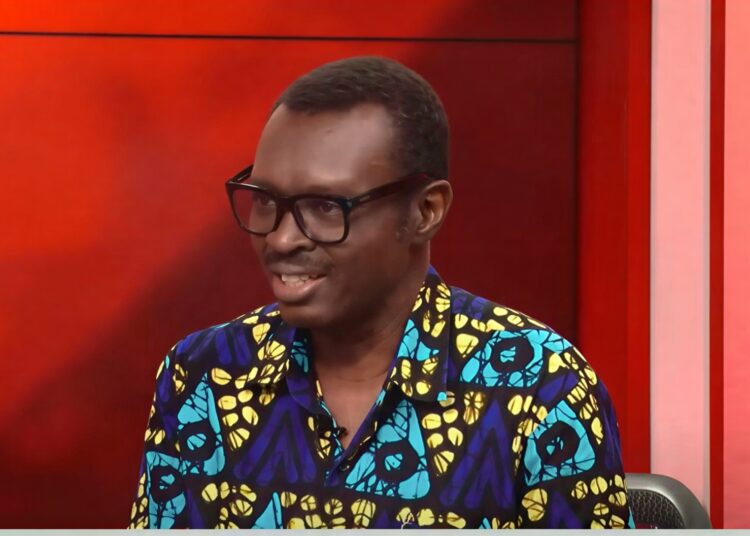
In the Berko bribery case where EOCO has started investigations into the Ghanaian side, Anti-Graft Campaigner, Edem Senanu has urged investigators to build a watertight case before pursuing prosecution against individuals linked to the allegations. He explained that while available records may provide sufficient grounds for investigation, securing a conviction requires evidence that satisfies the high threshold of proof in Ghanaian courts.
Mr Senanu noted that investigative bodies could obtain travel records, hotel records, visa applications and official documents to establish movements and meetings involving persons connected to the case. He, however, distinguished such documentary evidence from proof that money actually changed hands as part of a corrupt transaction.
“The challenge is when you have to talk about prosecution and winning cases, because you need to make sure you have witnesses, and that requires ensuring that you have a very watertight case.”
Edem Senanu
According to Mr Senanu, establishing that individuals travelled together or met at particular locations can form an important part of an investigation. Such records, he intimated, can help investigators reconstruct events and establish relationships between people involved in a transaction.
Furthermore, the anti-graft campaigner cautioned against treating evidence of legitimate business activity as automatic proof of corruption. He explained that travelling to inspect equipment or prepare a report can constitute a legitimate assignment, while allegations of bribery require investigators to establish a separate chain of evidence.
The distinction, therefore, becomes important in the Berko Bribery case as investigative authorities examine the circumstances surrounding the alleged payments. Mr Senanu suggested that investigators must establish who provided the information, who received the money and what evidence directly connects the payment to an improper act.
Additionally, the campaigner pointed to the role of witnesses in strengthening a prosecution case. He noted that documentary records can establish where people were and what activities took place, while testimony may be required to establish what happened during private transactions.
Referencing the work of investigative agencies, Mr Senanu indicated that the Economic and Organised Crime Office and the Office of the Special Prosecutor possess avenues through which relevant records can be obtained. He urged such institutions to use those avenues thoroughly before drawing conclusions about individuals named in the case.
On this basis, the anti-graft campaigner encouraged investigators to separate established facts from allegations requiring further verification. He argued that a strong investigation should establish a clear evidential trail capable of surviving scrutiny when the matter reaches court.
Moreover, Mr Senanu noted that the strength of a case ultimately depends on the quality of evidence presented before a judge. He therefore urged investigators to approach the Berko Bribery matter with diligence to ensure that any prosecution rests on evidence that can withstand legal examination.
Conviction Requires Proof Of Who Received Alleged Bribery Payments
The conviction of former Goldman Sachs banker Asante Berko in a bribery case has provided another dimension to the discussion, with Mr Senanu urging Ghanaian authorities to examine the matter carefully. He explained that evidence contained in Mr Berko’s private email account played an important role in the case against him and provided investigators with information concerning the movement of funds.
Mr Senanu noted that the emails reportedly contained information about payments and activities surrounding the transactions under investigation. He explained that such material could establish the actions of the person making a payment while requiring additional evidence to establish whether another party actually received the money.
Addressing the evidential gap, the anti-graft campaigner emphasised that investigators must distinguish an admission by one person from proof of a transaction involving another individual. He argued that establishing the identity of people connected to the allegations could be relatively straightforward, while proving that they received specific payments presents a more demanding task.
“I don’t think it’s going to be very difficult to establish the identities. Now, getting to the point of did they receive money, when, where, might not be as simple.”
Edem Senanu
Referencing the investigation involving Mr Berko, Mr Senanu disclosed that the American authorities relied on extensive efforts to establish the case and secure his extradition from the United Kingdom. He noted that the process reportedly took about a year and a half as arguments were raised over his citizenship and the appropriate jurisdiction for the proceedings.
The campaigner further revealed that a Ghanaian witness was involved in the American proceedings as investigators sought evidence to support the case. He explained that such international cooperation demonstrates the level of work sometimes required to establish financial crimes involving several jurisdictions.
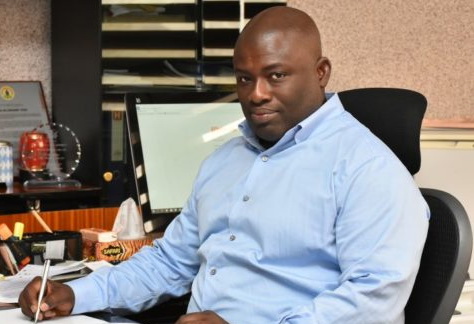
In addition, Mr Senanu urged Ghana’s anti-corruption agencies to pursue the matter from their respective mandates and determine whether further offences can be established locally. He identified EOCO, the Office of the Special Prosecutor and other relevant institutions as agencies capable of examining the available information.
According to him, the identities of individuals connected to the allegations can be investigated through travel records, hotel records and government documentation. He noted that records from ministries and other public institutions could help investigators establish whether the individuals were present at relevant locations.
However, proving that an identified individual received an alleged bribe requires a further evidential step. Mr Senanu explained that investigators would need witnesses or other credible evidence capable of demonstrating when, where and how a payment was received.
Against this backdrop, he urged the agencies involved to provide substantive feedback on their investigations within a reasonable period. He suggested that institutions which previously collaborated with the United States Department of Justice already possess useful background information and therefore have a basis for moving the process forward.
Furthermore, Mr Senanu advocated cooperation among the investigative institutions to ensure that different approaches produce useful results. He observed that examining the matter from several angles could help investigators establish the facts and determine whether additional prosecutions are justified.
READ ALSO: Drought Grips 71% of England as Heatwave Threat Grows