A 60-day memorandum of understanding (MoU) between the United States and Iran expired today with negotiations between the two sides deadlocked, leaving key provisions aimed at ending the conflict and restoring navigation through the Strait of Hormuz unresolved.
The memorandum, brokered by Islamabad and signed in June, established a framework for negotiations towards a broader peace agreement. It included commitments on military operations, sanctions, the US naval blockade and the reopening of the strategic waterway.
However, disagreements emerged soon after the agreement was signed, particularly over shipping routes through the Strait of Hormuz. The subsequent resumption of US military strikes against Iran further disrupted the diplomatic process and left the original 60-day timetable in question.
Iranian officials have rejected the idea that the expiration of the memorandum creates a new deadline for Tehran. Iranian Foreign Ministry Spokesman Esmaeil Baghaei said the agreement had already been undermined by what he described as serious US violations.
Speaking in Tehran, Baghaei said the deadline was “entirely moot” because Washington had breached the agreement only weeks after it was signed. He also warned that Iranian forces remained prepared to respond if the country came under further attack.

The comments reflect Tehran’s position that the commitments contained in the memorandum cannot be considered in isolation from subsequent military developments. Under the June agreement, the United States had committed to ending its naval blockade, withdrawing its forces following a final settlement and beginning discussions on a reconstruction package potentially worth billions of dollars. Washington had also pledged sanctions relief, oil-export waivers and access to frozen Iranian funds as part of the proposed framework.
The Strait of Hormuz has been one of the most contentious elements of the negotiations. The waterway is a critical route for global energy shipments, connecting the Persian Gulf with international markets. Under the memorandum, Iran agreed to clear mines and allow ships to transit freely through the strait for the duration of the 60-day period.
The arrangement quickly became contested, however, after several ships using an Oman-backed route were targeted in late June. The dispute was followed by the resumption of US strikes against Iran, which continued for nearly two weeks and further complicated efforts to implement the agreement.

Iran has since maintained that any reopening of the waterway would depend on the United States meeting its demands, including ending the naval blockade.The unresolved dispute has kept the Strait of Hormuz at the centre of negotiations and broader tensions between Washington and Tehran.
Trump Claims Backchannel Talks
Despite the breakdown in formal negotiations, US President Donald Trump said earlier today that Washington was communicating directly with officials from Iran’s Islamic Revolutionary Guard Corps through a backchannel.
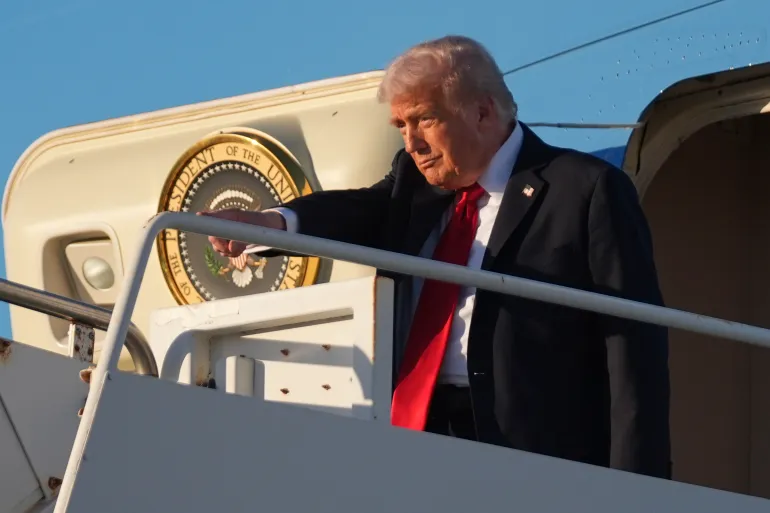
Trump also urged Tehran to raise what he described as the “white flag of surrender”, signalling that the administration continues to take a hard line towards Iran even as it claims diplomatic contacts are taking place.
The claim was swiftly rejected by the IRGC. Brigadier General Hossein Mohammadi, an IRGC Spokesperson, told Iran’s state-run news agency that there were no talks between the organisation and American officials.
He dismissed Trump’s claim as “simply fantasies” and attributed it to what he described as the US President’s frustration over the conflict. “Currently, no talks are taking place with the Americans in this area either, due to broken promises and the dark experiences of repeated and constant violations of agreements by the United States,” he said.
The expiration of the memorandum has also been accompanied by increasingly firm statements from Iranian military officials. Brigadier General Yadollah Javani, Head of the IRGC’s political bureau, said Iranian forces were prepared to take whatever measures were necessary to defend the country. The statements from Iranian officials do not necessarily rule out future negotiations, but they underline the significant gap between the two sides over the terms of any settlement.
The June memorandum had sought to establish a pathway towards a permanent cessation of military operations, with Iran agreeing to address concerns over its nuclear programme and cooperate on navigation through the Strait of Hormuz.Iran also reaffirmed under the agreement that it would not seek nuclear weapons and agreed to negotiate over uranium enrichment.
For Washington, the agreement offered a framework for reducing Iran’s military capabilities while addressing wider security and economic concerns. For Tehran, the proposed sanctions relief, access to frozen assets and an end to the naval blockade were central elements of the arrangement.
With the 60-day period now expired, however, those commitments remain largely unresolved.The immediate challenge for both sides is whether they can revive negotiations despite the breakdown in trust and continued disagreement over military and economic issues.
READ ALSO: France Allows 84,000 Wildfire Evacuees To Return Home