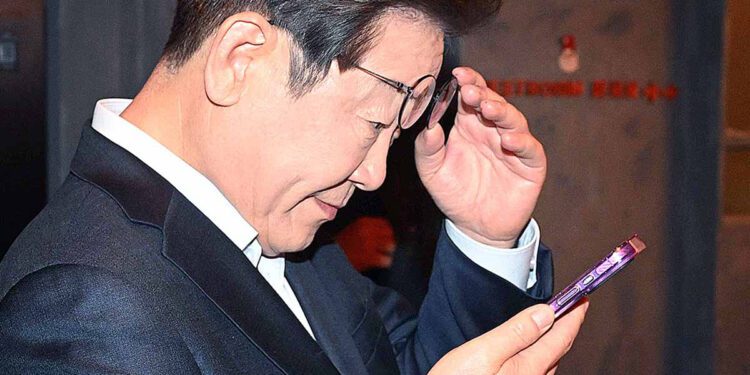
South Korean President Lee Jae Myung has reaffirmed the importance of his country’s military alliance with the United States after President Donald Trump unexpectedly ordered a reduction in joint military exercises between the two allies.
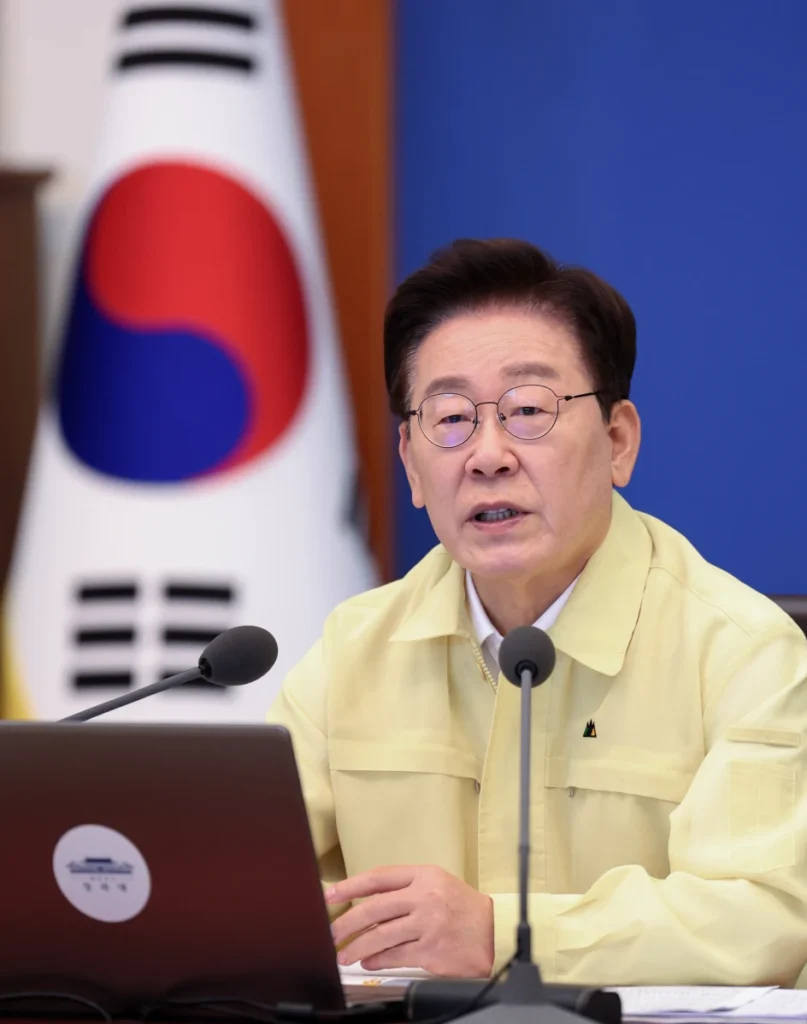
Speaking at a regular Cabinet meeting, Lee said that South Korea’s national security would be strengthened by maintaining a strong alliance with Washington. “When we build up our strengths, our value and importance as an ally will further grow,” Lee said, stressing the need for Seoul to strengthen its own military capabilities alongside its partnership with the United States.
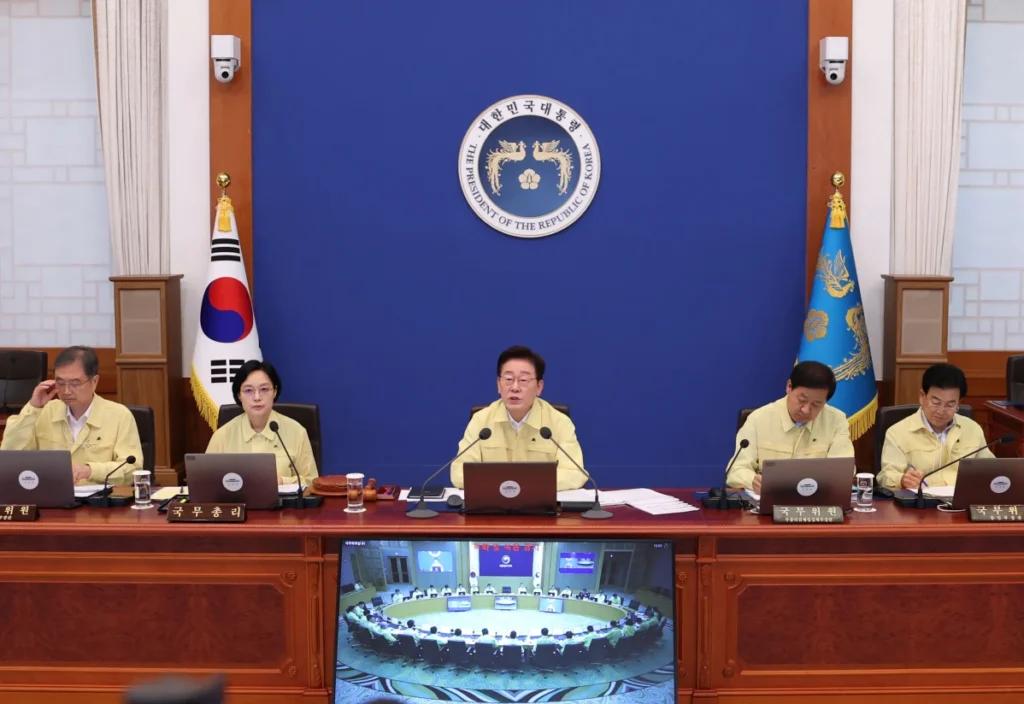
The South Korean President, a liberal who has advocated a stronger and more self-reliant defence posture, has previously stressed the importance of ensuring that South Korea has the capacity to protect itself while working with its allies.
His comments came a day after Trump announced that he had instructed US Defence Secretary Pete Hegseth to “substantially reduce” the annual exercises with South Korea, citing the cost of the drills, Seoul’s decision not to participate in the US war against Iran and his relationship with North Korean leader Kim Jong Un.
Trump made the announcement on social media shortly before the start of the Ulchi Freedom Shield exercises, an annual series of joint military drills designed primarily to strengthen the readiness of US and South Korean forces against potential threats from North Korea. The decision appeared to have been made without prior consultation with Seoul, raising questions in South Korea about the future direction of the alliance and Washington’s commitment to the country’s defence.
Despite Trump’s announcement,The exercises began Monday as scheduled and are expected to run for 11 days. South Korean and US officials have described Ulchi Freedom Shield as defensive in nature and intended to improve the allies’ ability to respond to North Korean aggression.The drills are also being adapted to account for changes in modern warfare, including lessons from North Korea’s reported military involvement in Russia’s war against Ukraine.
North Korea has gained battlefield experience through its support for Russia, including the deployment of troops to the conflict, according to Western and South Korean assessments. The allies have sought to incorporate those developments into their military planning.
South Korean and US military officials had previously said this year’s training would be broadly similar in scale to previous exercises, while incorporating lessons from recent conflicts and changes in North Korea’s military capabilities. It remained unclear which elements of the exercises would ultimately be reduced following Trump’s announcement. The exercises therefore remain significant for operational readiness even as questions persist over their future scale.
Alliance Concerns Grow
Trump’s decision has generated concern among some South Koreans who fear that a reduction in joint military training could affect the readiness of the two countries’ forces.The US-South Korean alliance has been a central pillar of security on the Korean Peninsula since the 1950-53 Korean War. Approximately 28,500 US troops are stationed in South Korea, while the two countries regularly conduct joint military exercises to maintain operational coordination.
For Seoul, the drills serve as an important demonstration of the two countries’ ability to respond jointly to North Korean military threats. Trump’s decision, however, has raised concerns that Washington could be placing greater emphasis on engagement with Pyongyang at a time when Seoul remains focused on strengthening deterrence against North Korean military activity.
The uncertainty comes against a backdrop of broader concerns in South Korea about the reliability of the US partnership. Confidence in Washington has been affected by Trump’s trade policies and tensions surrounding US immigration enforcement.
Last year, hundreds of South Korean workers were detained during an immigration raid in the US state of Georgia, an incident that generated criticism in South Korea. Trump’s tariff policies have also created economic concerns for Seoul, adding another layer of uncertainty to the bilateral relationship.
South Korea’s Hankook Ilbo newspaper argued in an editorial that Trump’s announcement had exposed what it described as “the stark reality of a faltering Korea-US alliance” and was contributing to public anxiety. The newspaper also criticised what it viewed as the apparent contrast between Washington’s treatment of North Korea and its approach towards its treaty ally.
For now, Lee’s comments indicate that Seoul wants to preserve the US alliance while strengthening its own ability to contribute to regional security. Trump’s decision, however, has introduced fresh uncertainty into a partnership that South Korea has long regarded as essential to deterring North Korea.
The extent to which the exercises will ultimately be reduced, and whether the decision represents a broader shift in Washington’s approach to the Korean Peninsula, remains to be seen.
READ ALSO: Spain Reports 70,000 Ceuta Migrants Back in Morocco