Iran has dismissed U.S. President Donald Trump’s latest threat of sweeping economic sanctions, with Foreign Minister Abbas Araghchi accusing Washington of relying on failed policies as tensions remain high amid stalled efforts to end the war between the two countries.
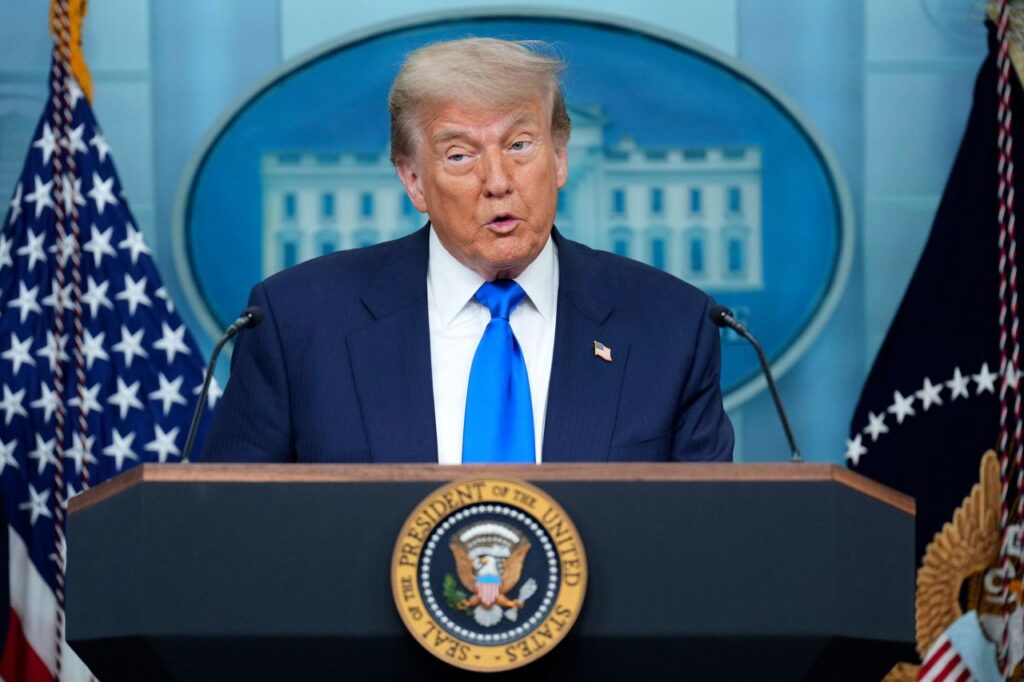
Trump announced what he described as the “most crushing economic operation” against Iran, threatening unprecedented economic isolation and consequences for countries or businesses that continue to provide Tehran with financial or commercial support. The announcement was quickly rejected by Iranian officials and state-linked media, which argued that the measures represented a continuation of Washington’s long-running pressure campaign rather than a significant new development.
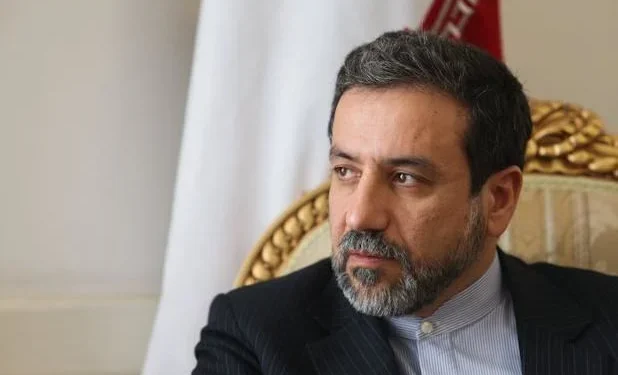
In a post on X, Araghchi said that Trump’s latest threats were intended to divert attention from economic challenges facing the United States. “Doubling down on failed policies will only bring further defeat—and enmity of Iranians,” Araghchi wrote.

He also accused Washington of using economic pressure in a way that threatened other countries and the wider global economy.
Araghchi’s comments came as Washington increased pressure on Tehran following a deadlock in negotiations aimed at ending the conflict between the United States and Iran.Trump said that Iran had failed to take an opportunity to reach an agreement and warned that Tehran would now face what he described as economic warfare and isolation on an unprecedented scale.
In his Truth Social post, Trump said that Washington would also target countries and institutions that provide Iran with what he described as a financial or commercial “lifeline.” He specifically referred to oil smuggling, financial transfers, exchange houses, ship registries and front companies, calling for such activities to stop.
“ANY country that allows its financial institutions, businesses, airports, or government entities to provide any type of lifeline to Iran will itself face TREMENDOUS Economic Consequences…
“This will be an ECONOMIC D-DAY, and we need all of our Allies to stand with the United States of America to isolate, and defeat, the Iran threat.”
Donald Trump
Iranian state media and semi-official news agencies dismissed Trump’s announcement as a continuation of policies that have already been used against the country. The IRIB state broadcaster said that the latest measures followed what it described as “the failure of military aggression.”
The semi-official Tasnim news agency said that Trump’s announcement was “not a new development,” arguing that the United States has spent years attempting to restrict Iran’s economic and financial relations with other countries. Tasnim asserted that Tehran had adapted to previous sanctions and developed ways of navigating economic restrictions imposed by Washington. The semi-official Fars news agency also rejected Trump’s claims as “delusional”, arguing that previous U.S. predictions about Iran’s economic collapse or military defeat had failed to materialise.
The responses reflect Tehran’s broader position that U.S. sanctions, while damaging to the Iranian economy, have not succeeded in forcing the country to fundamentally change its policies.
Long-running Campaign Against Iran
Trump’s latest threat is part of a broader economic pressure campaign against Iran that his administration has pursued following the outbreak of the U.S.-Israel war against Tehran in February. The administration has described its strategy as Operation Economic Fury, combining sanctions and other measures aimed at restricting Iran’s access to international markets and reducing the revenue it earns from energy exports.
Washington has already imposed sweeping restrictions on Iran’s oil, shipping and financial sectors.The United States has also targeted companies, brokers and tankers accused of helping Iran export oil or circumvent existing sanctions. In addition, the Trump administration has imposed a naval blockade on Iranian ports as part of its wider campaign to restrict Tehran’s economic activity and increase pressure on the Iranian government.
Iran, however, has repeatedly rejected U.S. demands and accused Washington of using economic measures as a form of coercion. The latest exchange comes at a time when diplomatic efforts to end the conflict remain stalled
The threat to impose consequences on countries that maintain economic ties with Iran could also create wider diplomatic tensions, particularly with governments that continue to import Iranian oil or maintain commercial relationships with Tehran. For Washington, the strategy appears aimed at increasing Iran’s economic isolation and raising the cost of continuing its current policies. For Tehran, the latest announcement reinforces its argument that the United States is relying on economic pressure instead of diplomacy.
With peace talks still deadlocked, the exchange of threats and counterclaims indicates that the economic confrontation between Washington and Tehran is likely to intensify alongside the continuing political and military tensions.
Whether the Trump administration’s latest measures will generate additional pressure on Iran or push Tehran further away from negotiations remains uncertain.
READ ALSO: João Pedro Embraces Chelsea No.9 Challenge, Dares To End Curse Narrative