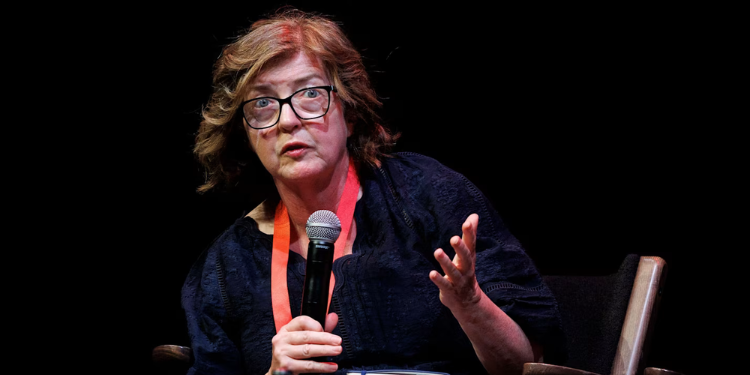
Sue Gray, the former Chief of Staff to Prime Minister Keir Starmer, has described her time in Downing Street as an “unbearable” period.
Gray, who became one of the most powerful figures surrounding former Prime Minister, Keir Starmer after Labour entered government in July 2024, revealed she was “disappointed” that the then-Prime Minister did not do more after she raised concerns about negative briefings against her.
The former senior civil servant’s account provides a fresh insight into the internal tensions that characterised the opening months of Starmer’s administration, when damaging stories about relationships between senior advisers, staff salaries and competing power centres repeatedly reached the media.
“I had always taken a view as a civil servant and actually as a special adviser that you know you should be able to speak freely in rooms. And I couldn’t recall those sort of discussions being briefed out. And yet here I found myself, you know, stories about supposedly trying to move Morgan McSweeney to the back of the building.”
Sue Gray
She added , “actually, that was a genuine, ‘I can’t believe so many of you are going to sit in this small room, let’s find a better room for you’.”
According to her, the situation eventually reached a point where she felt that almost anything said inside Downing Street could find its way into the public domain.
The revelations revive questions about the internal culture of Starmer’s government and the extent to which divisions among senior advisers weakened the administration during its first months in office.
Gray had arrived in Downing Street with considerable authority. She was already a prominent figure in British public life after conducting the inquiry into alleged Covid rule-breaking in Boris Johnson’s Downing Street in 2021, a role that transformed her from a little-known civil service official into a household name.
Her decision to leave the Cabinet Office after decades in Whitehall and join Labour as Starmer’s chief of staff before the 2024 election was subsequently criticised by some who questioned whether her move compromised perceptions of her political impartiality.
Despite the controversy, Gray became central to Labour’s preparations for government and was tasked with helping coordinate the party’s transition from opposition to power.
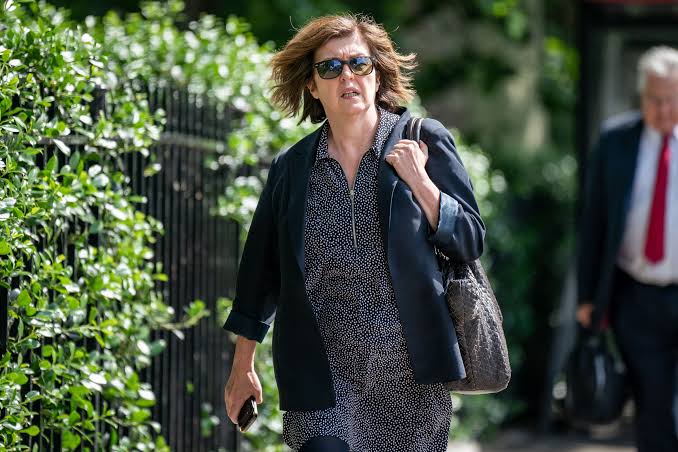
Her tenure, however, lasted only about four months.
The period was marked by increasingly bitter stories about divisions inside No 10, including reports concerning Gray’s salary, her relationships with senior colleagues and an alleged power struggle involving Morgan McSweeney, another influential figure in Starmer’s operation.
Gray has now disputed the interpretation of some of those reports, insisting that stories portraying her as attempting to marginalise McSweeney were misleading.
Asked in an interview whether Starmer had acted sufficiently on her complaints about the briefings, Gray indicated that she had raised the issue with him but did not want to reveal the details of their private discussions.
“I talked to him a couple of times about it, and I don’t really want to disclose individual conversations, but I was disappointed that not more was done because I think it could have been done.”
Sue Gray
Her assessment of the working environment was blunt.
“It was definitely unbearable, particularly for me. And I would say that none of that briefing came from me. I think it was very difficult, and it was just affecting me and my life.
Sue Gray
She added, “I was getting into the office very early in the morning. I was leaving late to avoid…. It was very, very, very difficult period.”
“Boys’ Club” Claims Reignite Concerns Over Labour’s Internal Culture
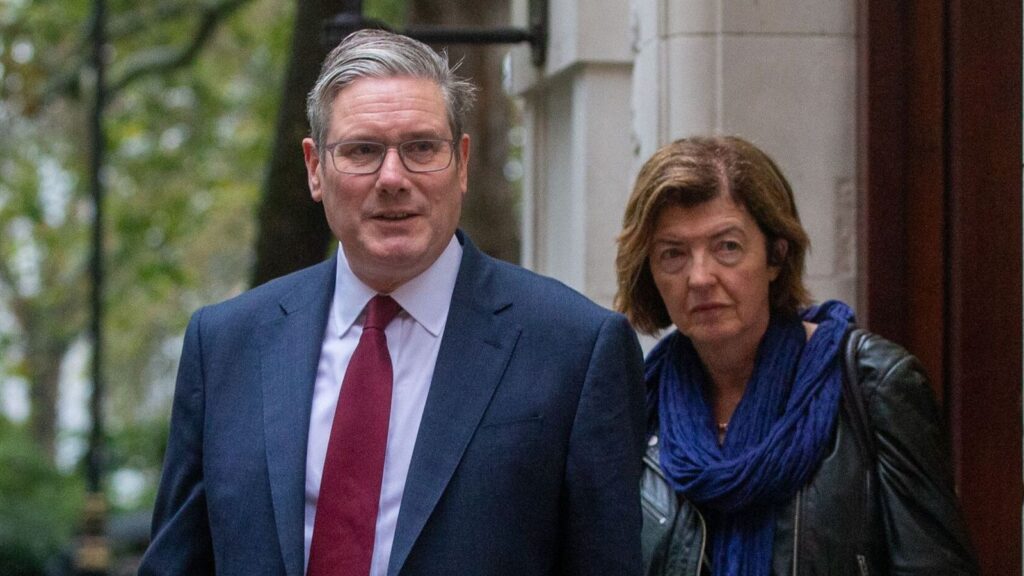
Gray’s allegations come amid renewed scrutiny of the culture inside Starmer’s Downing Street, particularly claims that women were subjected to hostile or anonymous briefings.
Labour’s Deputy Leader Lucy Powell has previously criticised what she described as a “boys club” culture in No 10, alongside a pattern of “anonymous nasty briefings” particularly directed at women.
Gray’s latest intervention adds to a growing body of criticism from former senior figures who have questioned the way power and influence were exercised inside the previous Labour administration.
The former Chief of Staff also rejected the idea that she was responsible for the absence of a clear political vision during Labour’s early months in office.
“I think ultimately, you have a leader of the party, you have a Prime Minister, leader of the opposition. You have to set your vision, your agenda, and that is definitely what everybody is looking for.”
Sue Gray
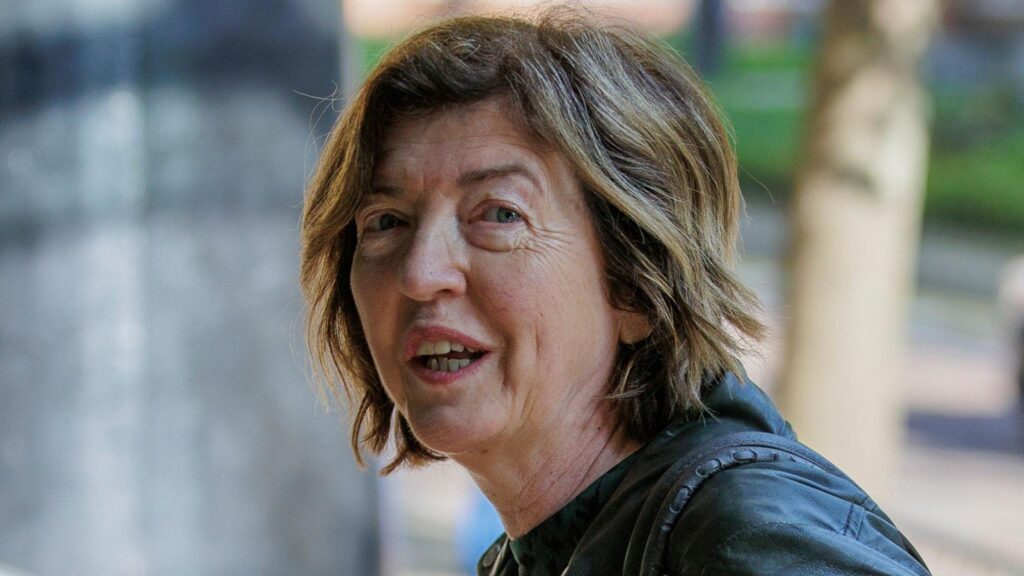
Gray also defended her preparations for Labour’s transition into government, after allies of Starmer had previously blamed her for failing to adequately prepare the party for power.
She said there had been “a lot done” pointing to work aimed at restoring British-Irish relations and preparing engagement with the European Commission and US administration.
She also argued that responsibility for media announcements should have rested with the communications team.
Questions about Labour’s preparations became particularly significant after it emerged that parts of the communications operation were not fully established until the day Labour entered government in July 2024.
Gray’s departure subsequently paved the way for McSweeney to take over as Starmer’s Chief of Staff. McSweeney later resigned after becoming embroiled in controversy over the appointment of Peter Mandelson as Britain’s ambassador to the United States.
READ ALSO: Onga Jollof Battle Edition Two Set for Accra This Weekend