Reform UK has unveiled plans to force long-term benefit claimants deemed fit to work to undertake 20 hours of community work each week or risk losing their benefits, as the party pushes for the biggest overhaul of Britain’s welfare system in a generation.
The proposal, announced by Reform UK Treasury spokesperson Robert Jenrick, forms part of a broader package of welfare reforms that the party believes could reduce the benefits bill by £50 billion and return hundreds of thousands of people to employment.
According to Robert Jenrick, the measures were intended to address what Reform considers a growing imbalance in Britain’s welfare system, arguing that people who are capable of working should contribute to their communities rather than remain dependent on benefits.
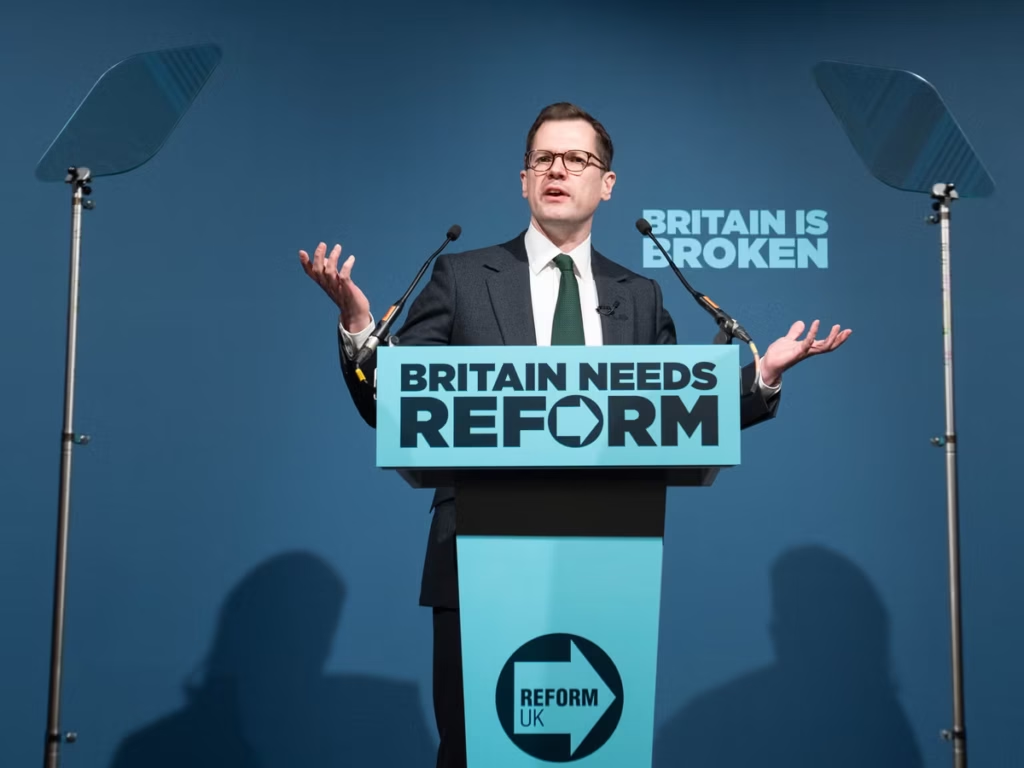
Speaking at an event in central London, Jenrick stated that the policy would introduce a clearer obligation for people receiving long-term out-of-work benefits.
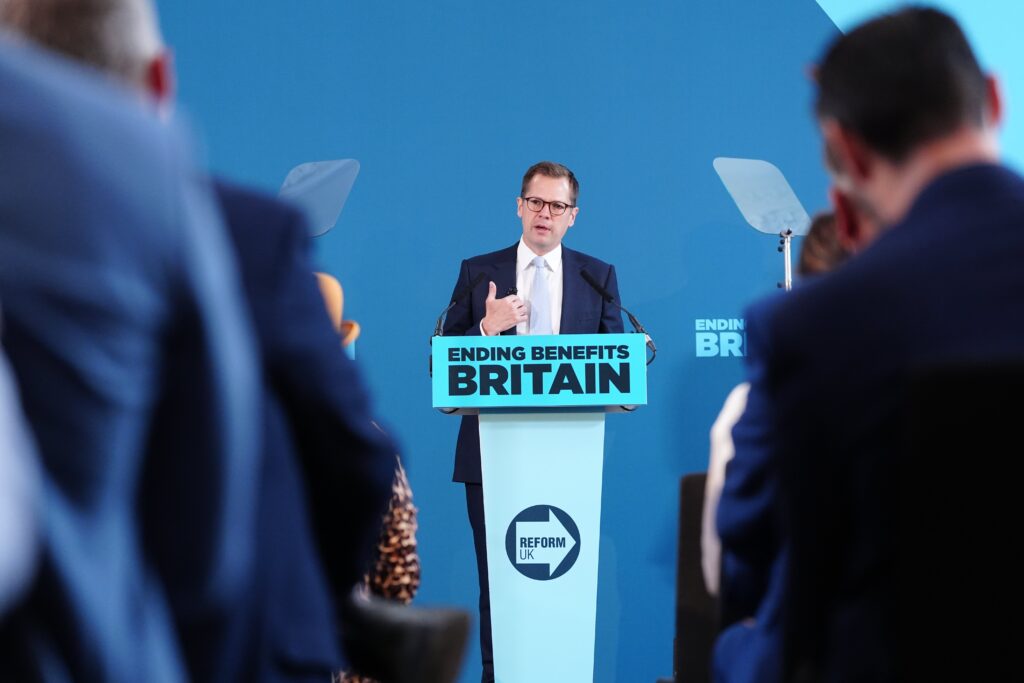
“They’ll work to clean up high streets and parks, to beautify neglected places, to carry out minor repairs, to staff libraries and community centres, to perform many other tasks from the list that we’ve published today.”
Robert Jenrick
He added, “we’ll also embrace local charities and community groups and ask them to help us and take part. If claimants refuse to participate or fail to show up, they’ll face penalties. Let me speak very plainly. If people who are capable of work refuse, then they’ll get nothing. That’s fair.”
The announcement represents one of the most significant elements of Reform UK’s wider welfare agenda, which seeks to reduce public spending while encouraging people considered able to work to move into employment.
Jenrick argued that the existing system has allowed too many people who could work to remain outside the labour market, placing an increasing financial burden on taxpayers.
“There are 6.6 million working-age people in the UK claiming out of work benefits. Among their number are many who can work, who should work, but have chosen not to, and the system has allowed that to persist. These people are really taking advantage of their fellow citizens, their friends, their neighbours, their community.”
Robert Jenrick
Reform estimates that its proposed changes could help 241,000 British people return to work. The party has also linked the welfare reforms to a broader programme aimed at reducing the financial pressures associated with Britain’s social security system.
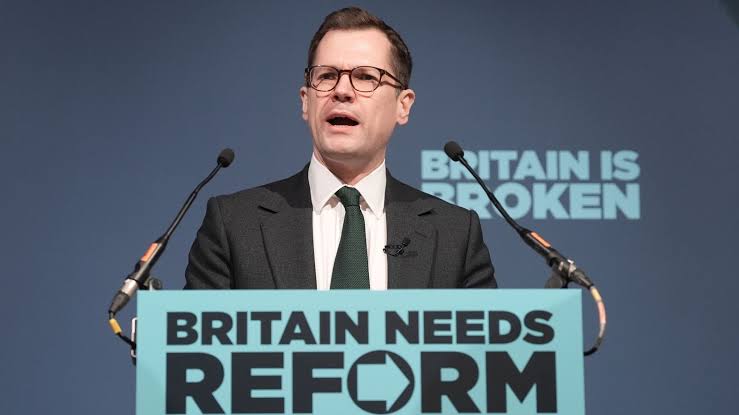
At the event, Reform officials indicated that the average tax burden required from each family to finance the welfare state could reach £7,000 by 2031, underscoring the party’s argument that significant changes are required to prevent welfare spending from continuing to rise.
Reform has also pledged changes to disability and sickness payments, arguing that the current system needs to distinguish more clearly between people who are unable to work and those who are capable of employment.
However, the proposals have immediately triggered criticism from rival political parties, with opponents questioning both the fairness and financial assumptions behind Reform’s plans.
The Liberal Democrats have described the proposals as “senseless and cruel,” while the Conservatives have attacked Reform’s projected savings and employment figures as unrealistic.
Reform Welfare Plans Trigger Political Backlash
Reform UK’s welfare proposals come amid growing political pressure over Britain’s benefits system, with successive governments struggling to balance rising expenditure with demands for stronger incentives to return people to employment.
Reform argues that such requirements would restore the principle of contribution, whereby people capable of supporting themselves are expected to participate in the economy or their communities.
“What was a source of pride for British people, a marker that we all live in a civilised society, has become viewed by many people as a joke, and in the cold light of day has to be seen, I believe, as both a moral and an economic catastrophe.”
Robert Jenrick
He added that, “a broken contract which too often takes from those who choose to work, and hands to those who choose not to.”
Jenrick also outlined the broader principle underpinning Reform’s proposals, arguing that welfare should provide security for people who cannot work while encouraging those who are able to contribute to society.
“A Reform UK government will fix Britain’s broken welfare schemes to restore fairness to the system, caring for those who are unable to support themselves, helping those who can towards independence, opportunity, and to take full advantage of life, and always keeping sight of that belief, contribution from those who can make it for security for those who can’t.”
Robert Jenrick
The party has also proposed changes affecting workers who take long-term sick leave. Under the plan, employees would remain on their employer’s books during the first two years of sickness absence, while their payments would be based on welfare rates.
Reform argues that the proposal would give employers a greater incentive to maintain contact with sick workers and support their return to employment. The party also plans to reduce employers’ national insurance rates as part of measures intended to encourage businesses to help people return to work.
On the contrary, Shadow Chancellor Sir Mel Stride stated that previous Conservative governments had already attempted to reduce the number of people receiving long-term benefits and overhaul disability payments, but accused Labour of abandoning those reforms.

“I introduced reforms to cut the sprawling welfare budget after the pandemic by reducing the numbers on long-term benefits and radically overhauling Pip. Labour called them ‘divisive’ and scrapped all of them, allowing the benefits bill to continue spiralling. Robert Jenrick hailed my reforms for making the system fairer and enabling us to cut taxes responsibly.”
Sir Mel Stride
Stride then attacked Reform’s approach, accusing the party of repeatedly changing its position on major welfare policies.
“Reform continue to flip flop like they did on the two-child benefit cap, and their fantasy numbers are simply not plausible.”
Sir Mel Stride
The dispute leaves Reform facing a major political test over whether its proposed welfare changes can persuade voters that stricter conditions would restore fairness without disproportionately affecting people who are genuinely unable to work.
READ ALSO: EU Mobilises Firefighting Support As Wildfires Spread Across Europe