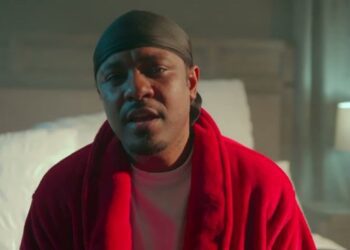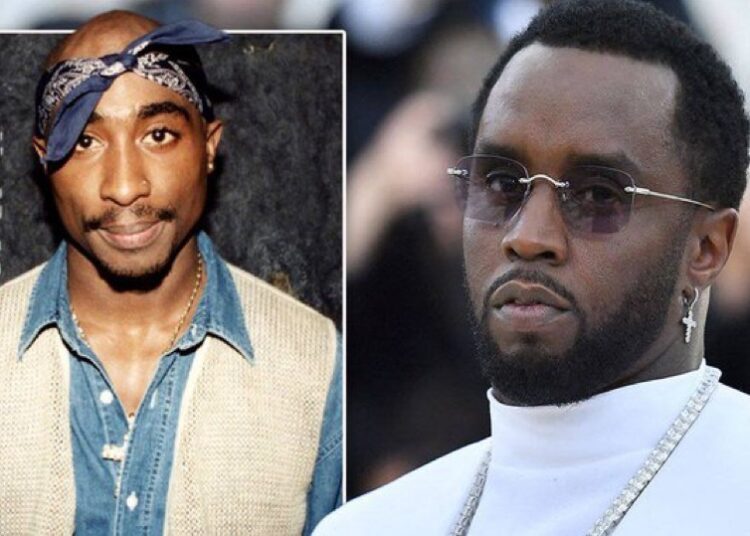
Sean “Diddy” Combs could face criminal charges in connection with the 1996 death of Tupac Shakur if Duane “Keffe D” Davis is convicted in his ongoing murder trial, according to legal sources familiar with the case.
Davis, a former leader of the South Side Compton Crips, is currently on trial in Clark County, Nevada, charged with murder with a deadly weapon in relation to Shakur’s killing. Prosecutors allege he played a central role in planning the attack amid longstanding rivalries involving gangs and record labels in the 1990s hip-hop scene.
The trial began with jury selection in early August 2026 and has progressed through opening statements and early testimony.
A key element drawing attention involves past statements by Davis. In a 2008 police recording entered into evidence, Davis allegedly claimed that Combs offered him $1 million in connection with targeting Shakur.
Davis has since denied the accuracy of those remarks, stating that earlier accounts were exaggerated to gain attention and notoriety. He has pleaded not guilty to the charge against him.
A source close to the Clark County District Attorney’s Office indicated that a conviction of Davis could strengthen the foundation for further examination of Combs. “The door remains open on what charges could be made against Diddy,” the source said. Prosecutors have largely kept detailed references to Combs out of the current proceedings to avoid confusing the jury, focusing instead on evidence related to Davis’s alleged role.
Combs has consistently rejected any involvement. He has described the claims as “pure fiction and completely ridiculous.” Authorities have not named him as a suspect in Shakur’s death, and he continues to deny any connection. Combs is currently serving a prison sentence on separate federal charges unrelated to this matter.
The trial has revived public interest in one of the most enduring unsolved cases in American music history. Shakur, a major figure in 1990s hip-hop, died after being shot in Las Vegas. For nearly three decades the investigation remained largely cold until Davis’s public statements and a 2019 memoir brought renewed scrutiny. Those statements form a substantial part of the prosecution’s case against him.
Legal Observations
Legal observers note that the outcome of Davis’s trial could influence whether investigators reopen or expand inquiries involving other individuals named in past accounts. Any potential action against Combs would depend on additional evidence, witness credibility, and prosecutorial decisions.
Experts caution that allegations alone do not constitute proof and that due process requires careful evaluation of all material.

During court proceedings this week, references to broader investigations, including past FBI interest in related record-label rivalries, have surfaced. Testimony has touched on Davis’s interactions with law enforcement over the years, including periods in which he provided information as a confidential source.
The defense maintains that Davis’s earlier narratives were unreliable and motivated by personal gain rather than accurate recollection of events.
The case continues to attract significant media coverage and public attention. Courtroom observers and hip-hop historians are watching closely as the prosecution presents its evidence, much of which relies on Davis’s own prior words. The defense is expected to challenge the reliability and consistency of those statements.
As of August 20, 2026, no charges have been filed against Combs in connection with Shakur’s death. Police statements have confirmed he has not been identified as a suspect. Any future developments would require formal investigation and, if warranted, independent prosecutorial review.
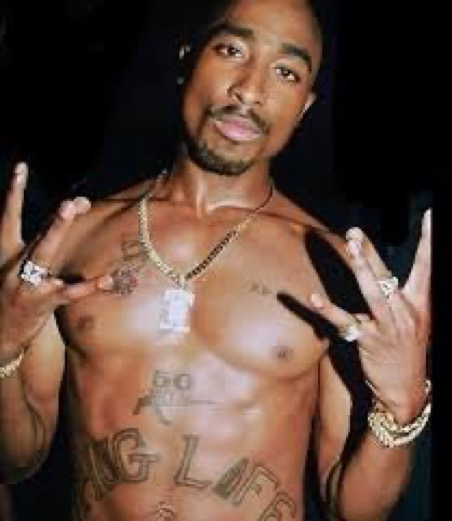
The trial is projected to last several more weeks. Its conclusion could clarify Davis’s legal responsibility while leaving open questions about other longstanding allegations circulating in the case. For now, the focus remains on the evidence presented against Davis and the jury’s eventual determination of his guilt or innocence.
Combs’s representatives have not issued additional public comments beyond his previous denials. The Clark County District Attorney’s Office has not formally announced any expanded investigation targeting him. Legal analysts emphasize that speculation about future charges should be tempered by the requirement for admissible evidence and the presumption of innocence.
The proceedings mark a rare moment of accountability in a case that has generated decades of theories, documentaries, and public debate.
READ ALSO: Eduwatch Demands Reversal of Sanctions Against Sexually Assaulted Girl