
The President of the Ghana Shea Butter Employers Association, Rabiatu Abubakari, has revealed that Millions of cedis in potential income are slipping out of Ghana each year because raw shea nuts leaves the country unprocessed, depriving local industries of jobs and revenue.
According to her, the trend is depriving the country of jobs, foreign exchange, and the opportunity to build a strong value added industry that could transform livelihoods, especially for women in the Northern Ghana.
Madam Abubakari is calling on government to take urgent steps to protect local processors, curb the export of raw shea nuts, and invest in the infrastructure needed to make Ghana a leading exporter of finished shea products.
Speaking in an interview, the Association President said the shea sector remains one of Ghana’s most promising agricultural value chains, yet its full potential is not being realized.
“We are losing millions of cedis because our shea nuts are being exported in their raw form instead of being processed here in Ghana. About 70 percent of the shea nuts are taken out of the country, and this affects our local processing and the income of the farmers.”
Madam Abubakari
She explained that when nuts are exported raw, the country earns only a fraction of what it could make from processed products such as shea butter, cosmetics, confectionery ingredients, and pharmaceutical inputs.

Shea Nuts Processes Struggle with Finance and Supply
Madam Abubakari said local processors are facing a triple challenge: limited access to finance, inadequate raw material supply, and poor infrastructure. On financing, she noted that most banks view shea processing as high risk, making it difficult for small and medium enterprises to secure loans.
She stated that when they go for loans to boost and support their businesses they get declined, and even when the loans are available, the interest rates are too high for them to sustain their business. She explained that they are made to borrow at 30 percent and still compete globally, which is not possible.
“The supply problem is compounded by the activities of bulk buyers and exporters who move large volumes of raw nuts across borders, often during peak season. Because 70 percent leaves the country. Those of us processing here are left to fight over the remaining 30 percent. Sometimes we have to shut down machines because there are no nuts.”
Madam Abubakari
Storage, a Major Challenge in Shea Processing
Another major challenge for the Shea Butter Employers Association is storage. They mentioned that Shea is a seasonal crop, typically harvested between June and September. And without proper warehousing, processors cannot buy and store enough nuts to run factories throughout the year.
”Shea is seasonal, therefore, they need proper storage facilities to keep enough nuts for processing throughout the year. Right now, most of us process for 3 to 4 months and then we go quiet. That is not how you build a sustainable industry.’’
Madam Abubakari
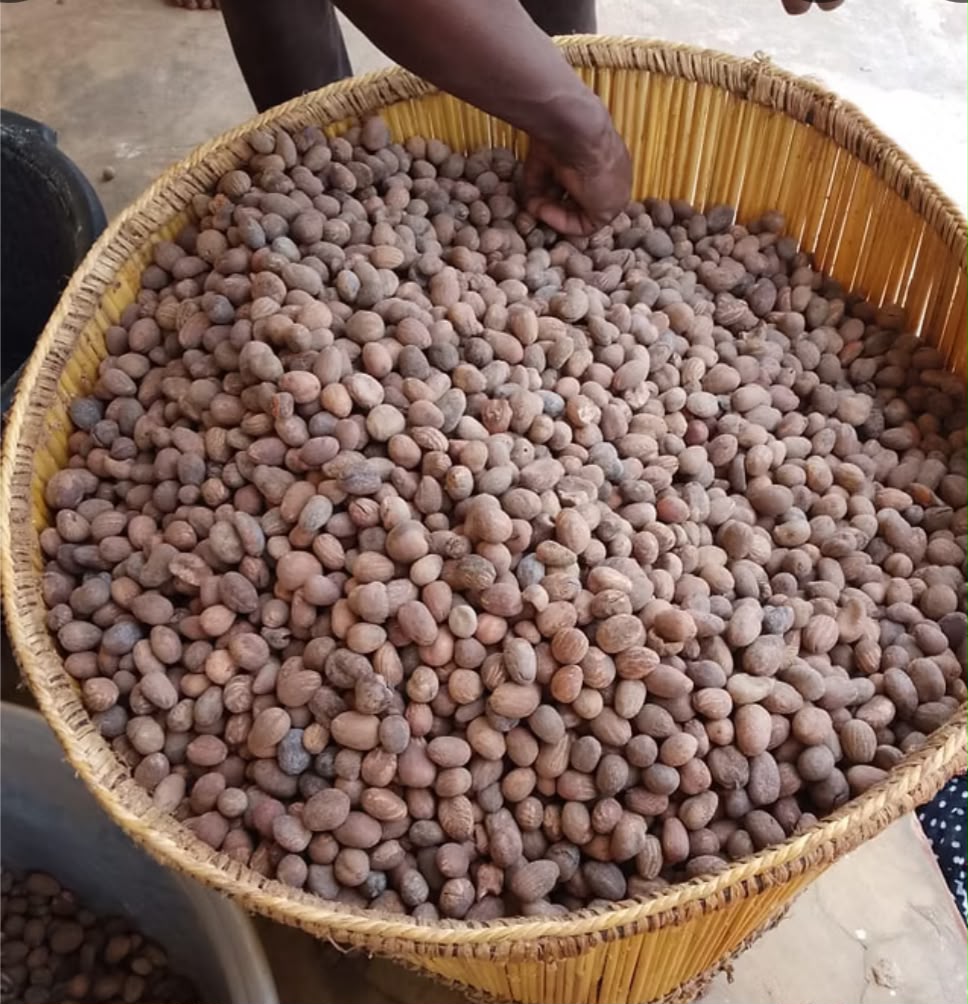
She believes that modern investment, climate controlled warehouses in shea-producing regions would help stabilize prices for farmers, reduce post-harvest losses, and ensure year-round -production.
The Association is urging government to prioritize shea under its 24-hour economy policy, which seeks to promote round-the-clock manufacturing and job creation. If the government wants to put shea butter into the 24-hour economy, then we need to reduce the export of the raw shea nuts and encourage more processing here.’’
Some Proposed Interventions to Boost Shea Butter Processing
Madam Abubakari proposed three immediate interventions: Regulatory measures to limit or place a levy on raw shea nut exports, similar to what exists for timber and scrap metal. Targeted financing through development banks and special funds with single digit interest rates for processors. Infrastructure support including storage facilities, reliable power, and better road networks in shea-growing areas.
“Processing creates more jobs than exporting raw. One factory can employ 200 women directly and support 2000 pickers. Multiply that across the north and you see the impact.’’
Madam Abubakari
The Ghana Shea Butter Employers Association acknowledged the support it has received from the Tree Crops Development Authority, particularly in the area of farm inputs for shea parkland management.
She added that with better coordination between the Ministry of Trade, Ministry of Food and Agriculture, and the private sector, Ghana could position itself as the global hub for premium, ethically sourced shea butter.
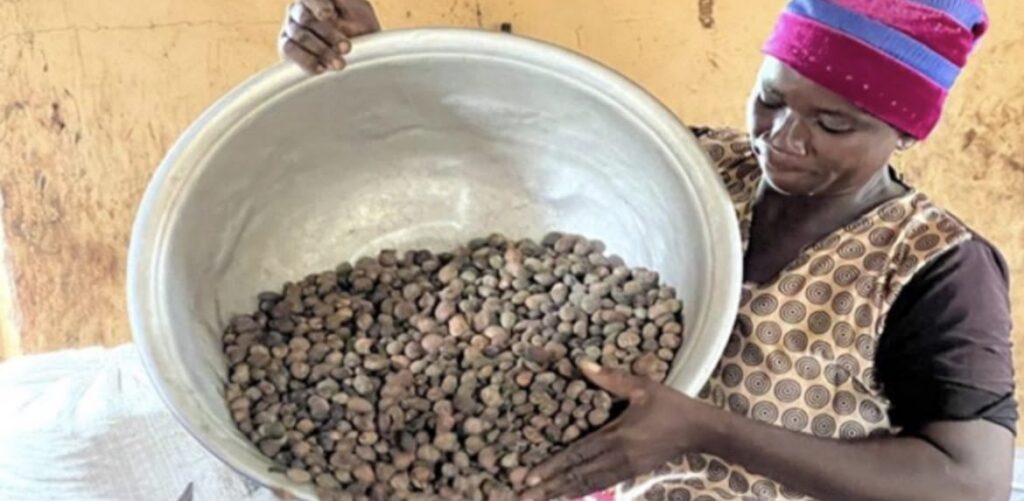
Processed shea products attract higher prices in international markets, particularly in Europe, North America, and Asia where demand for natural cosmetics and organic food ingredients is rising. Ghana’s reputation for high-quality shea also gives it a competitive edge.
More importantly, the shea industry is largely women-led. Thousands of women in the Upper East, Upper West, Northern, North East, and Savannah regions depend on shea picking and processing for income and transforming lives among women especially.
The Association says it will present a policy paper to government outlining concrete steps to restrict raw exports and incentivize local processing within the next quarter. And with the right investment in financing, storage, and local processing, we can ensure that more value remains in Ghana and that farmers and processors get a fair share of the benefits.
READ ALSO :UNICEF: Children Make Up Half of Guinea-Bissau’s Suspected Mpox Cases