Ghana’s experience in regulating energy efficiency standards for electrical equipment has come under review by Nigerian energy officials as the two countries deepen cooperation on reducing electricity consumption and improving appliance efficiency.
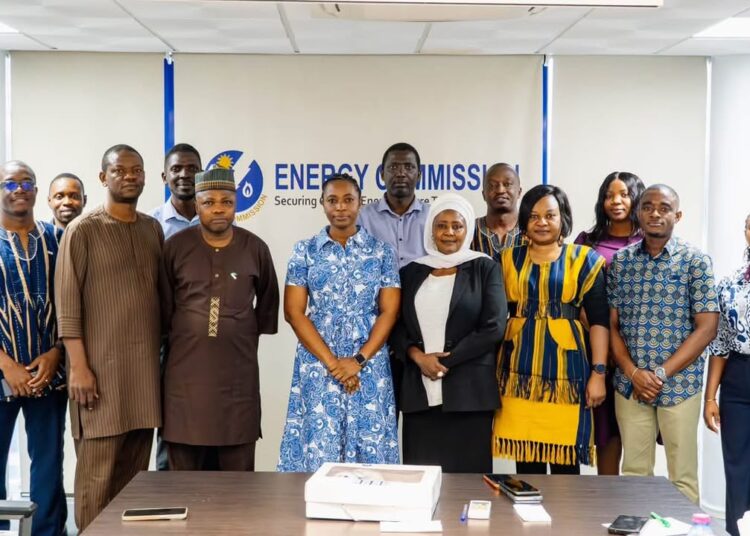
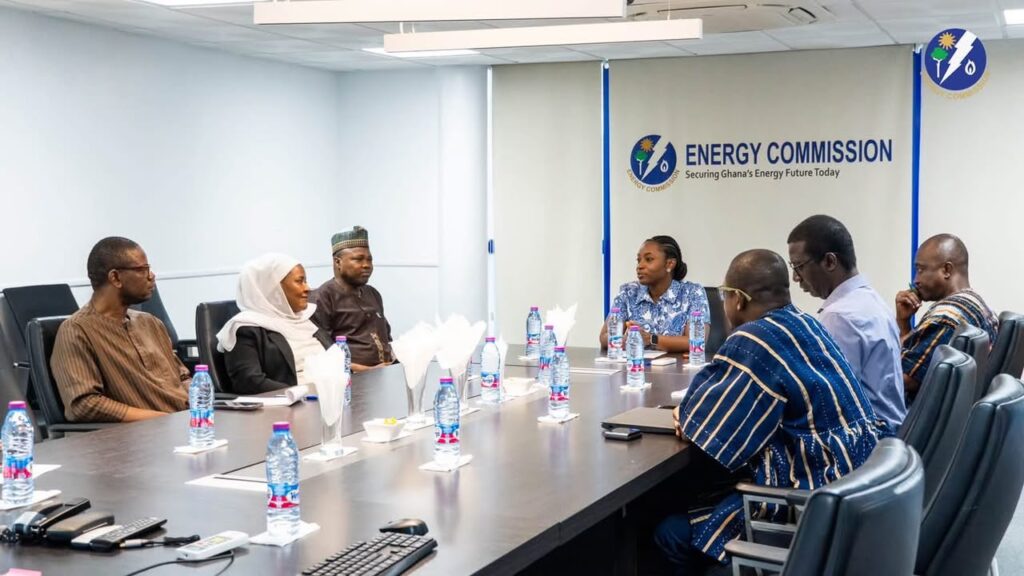
A technical delegation from Nigeria’s Federal Ministry of Power has undertaken a three-day study tour of the Energy Commission of Ghana to examine the country’s implementation of Minimum Energy Performance Standards (MEPS) and its Energy Labelling programme.
The engagement provides an opportunity for Nigeria to draw from Ghana’s experience in establishing systems that determine the minimum efficiency levels electrical equipment must meet before entering the market, while also strengthening consumer access to information on the energy performance of appliances.
The Nigerian delegation comprised technical officials seeking practical insights into Ghana’s policy, regulatory and institutional arrangements for energy efficiency.
The study tour focused particularly on how standards are developed and enforced, how equipment is tested and certified, and how regulators monitor products after they enter the market.
Building On Ghana’s Regulatory Experience
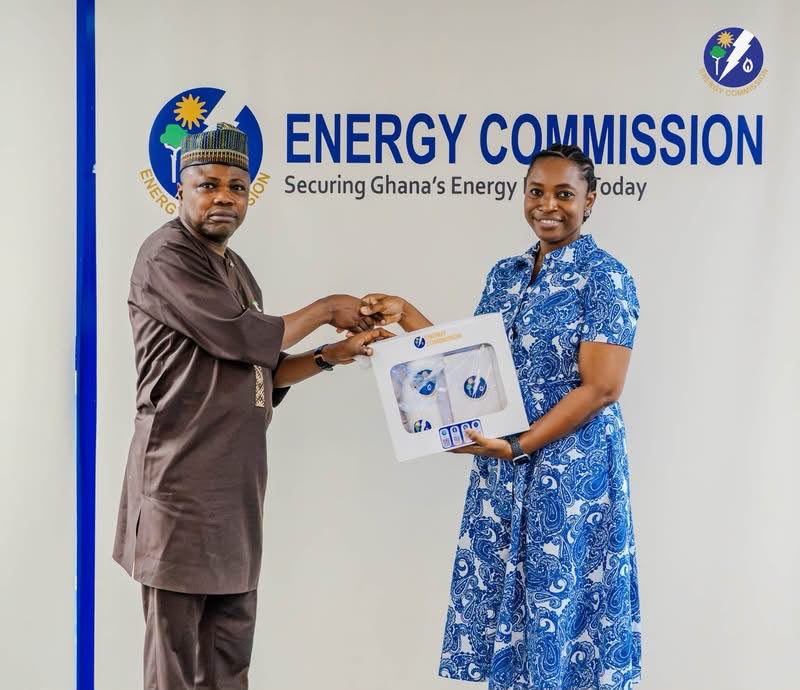
Welcoming the delegation, Acting Executive Secretary of the Energy Commission, Adwoa Serwa Bondzie, highlighted Ghana’s accumulated experience in implementing energy efficiency measures.
“The Commission was honoured to share its experience, built over years of work on product testing, certification, market surveillance and consumer awareness.”
Acting Executive Secretary of the Energy Commission, Adwoa Serwa Bondzie
The visit, according to the Commission, reflects the longstanding relationship between Ghana and Nigeria and their shared interest in advancing energy efficiency across the ECOWAS region.
For Ghana, the significance of the engagement extends beyond the exchange of technical knowledge.
Energy efficiency has become an increasingly important component of the country’s electricity-sector strategy as policymakers seek ways to manage demand while improving the reliability and sustainability of energy supply.
Minimum Energy Performance Standards provide one mechanism for achieving this.
Rather than relying entirely on consumers to choose efficient equipment, MEPS establish a regulatory threshold below which specified electrical products cannot operate in the formal market.
This means efficiency gains can be achieved across large numbers of appliances over time, particularly where products such as refrigerators, air conditioners and other electricity-intensive equipment are widely used.
Testing And Market Surveillance At The Centre
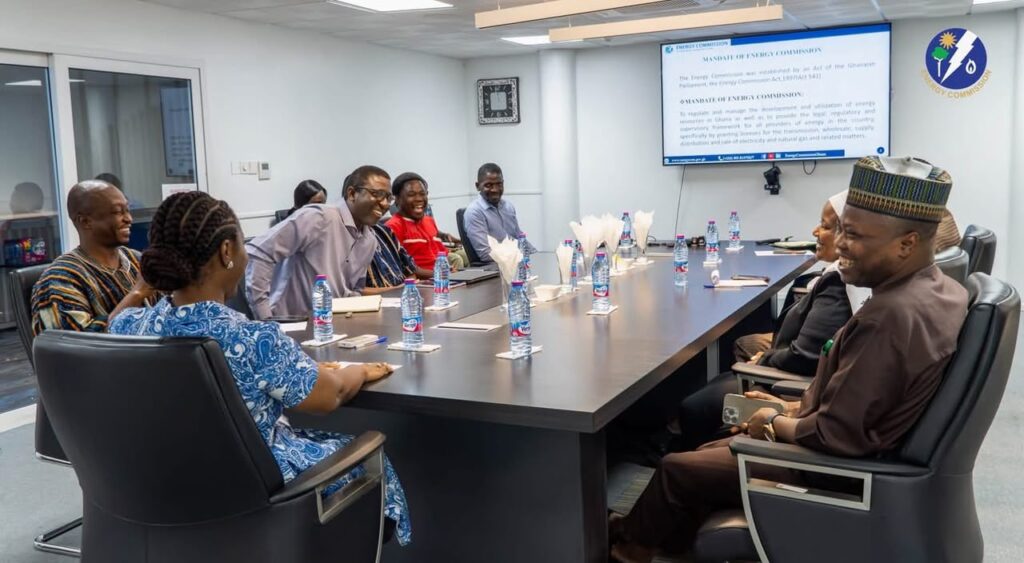
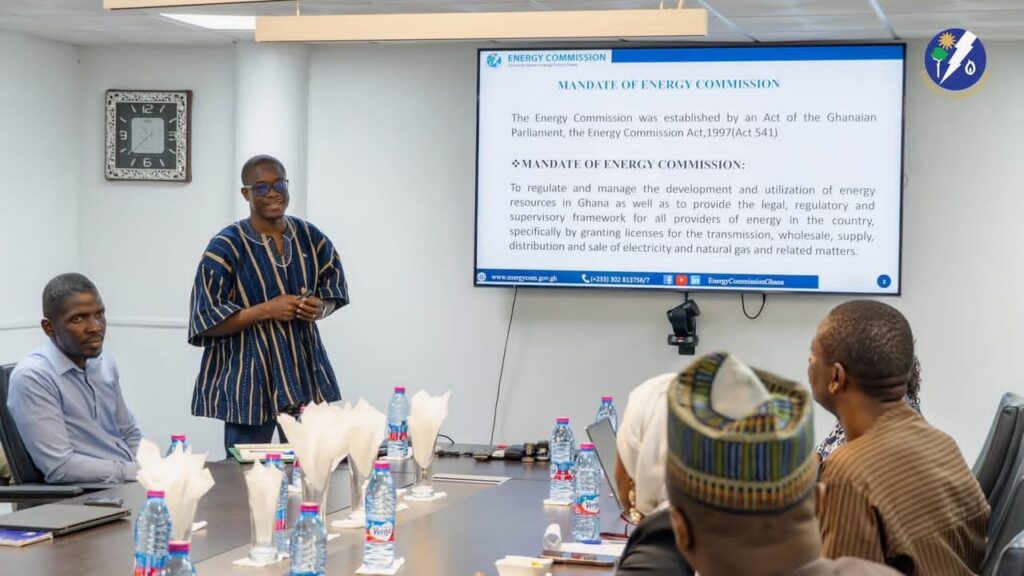
The discussions between the two sides covered Ghana’s policy and institutional framework for MEPS, as well as the procedures used to test and certify electrical equipment.
The Energy Commission’s experience in market surveillance was also examined, including mechanisms for ensuring that products available to consumers continue to comply with prescribed standards.
This is a critical part of energy-efficiency regulation because setting standards alone does not guarantee compliance.
A strong MEPS framework requires a chain of enforcement extending from product testing and certification to market monitoring and, where necessary, action against non-compliant products.
Without effective surveillance, inefficient equipment can continue to enter or circulate within the market despite the existence of regulatory requirements.
The Ghana-Nigeria engagement therefore provides a practical platform for examining not only the design of energy-efficiency standards but also the institutional capacity required to enforce them.
Border enforcement mechanisms were also part of the discussions, reflecting the importance of controlling products before they enter domestic markets.
For countries such as Ghana and Nigeria, where electrical appliances and equipment can move through complex regional and international supply chains, border controls can play an important role in preventing non-compliant products from undermining national efficiency policies.
Consumer Awareness Remains Critical
The study tour also examined Ghana’s approach to energy labelling and consumer awareness.
Energy labels are intended to give consumers information about the efficiency performance of electrical equipment, allowing energy consumption to become part of purchasing decisions.
That information can have a broader effect on the electricity system.
When consumers and businesses increasingly choose efficient appliances, the cumulative reduction in electricity demand can help ease pressure on the power system.
Energy efficiency is therefore not simply a consumer-protection issue.
It can function as a demand-side energy resource by reducing the amount of electricity required to deliver the same level of service.
The discussions on stakeholder awareness consequently form an important part of the Ghanaian experience being shared with Nigeria.
Regulatory standards are more effective when manufacturers, importers, retailers and consumers understand what the requirements mean and why compliance matters.
A Regional Energy Efficiency Opportunity
Nigeria’s interest in Ghana’s experience also places the engagement within the wider energy-transition agenda of the ECOWAS region.
The Nigerian delegation is examining Ghana’s implementation of MEPS and energy labelling in relation to its own National Energy Transition Plan.
The exchange therefore provides an opportunity for peer learning as both countries confront the challenge of improving energy productivity while pursuing broader transitions in their energy systems.
For Ghana, closer technical cooperation with Nigeria could also support greater regional consistency in energy-efficiency standards.
Where neighbouring markets adopt compatible standards and enforcement approaches, there is greater scope to reduce regulatory fragmentation, improve product compliance and discourage the movement of inefficient equipment between jurisdictions.
That could become increasingly relevant as ECOWAS countries seek to strengthen regional energy markets and pursue more efficient patterns of energy consumption.
The immediate outcome of the study tour is knowledge exchange, but its wider value lies in strengthening institutional capacity around energy efficiency.
Ghana’s experience demonstrates that the effectiveness of MEPS depends on more than establishing minimum thresholds.
Testing laboratories, certification systems, market surveillance, border enforcement and consumer awareness must work together if efficiency standards are to translate into actual reductions in energy consumption.

For Nigeria, the three-day engagement offers an opportunity to examine those elements through Ghana’s experience and identify lessons that can inform its own implementation efforts.
For Ghana, meanwhile, the engagement reinforces the importance of treating energy efficiency as a strategic component of energy security rather than simply a technical regulatory exercise.
As electricity demand grows across West Africa, improving the efficiency of the equipment used by households and businesses could become one of the most cost-effective ways of managing demand without relying solely on additional generation.
The Ghana-Nigeria exchange therefore carries a broader message for the region: energy transition is not only about producing more electricity from cleaner sources.
It is also about ensuring that the electricity already produced is used more efficiently.
READ MORE: Zelensky Warns Of Major Russian Troop Mobilisation